Rabat — The UNHCR has launched a new appeal for increased support to Sahrawis, as aid is continuously diverted in Tindouf due to Polisario’s involvement in embezzlement cases.
Alistair Alain Boulton, the UNHCR Representative in Algeria, echoed the appeal on Tuesday, stressing that the UN body needs $100 million per year to provide “adequate assistance to Sahrawi refugees.”
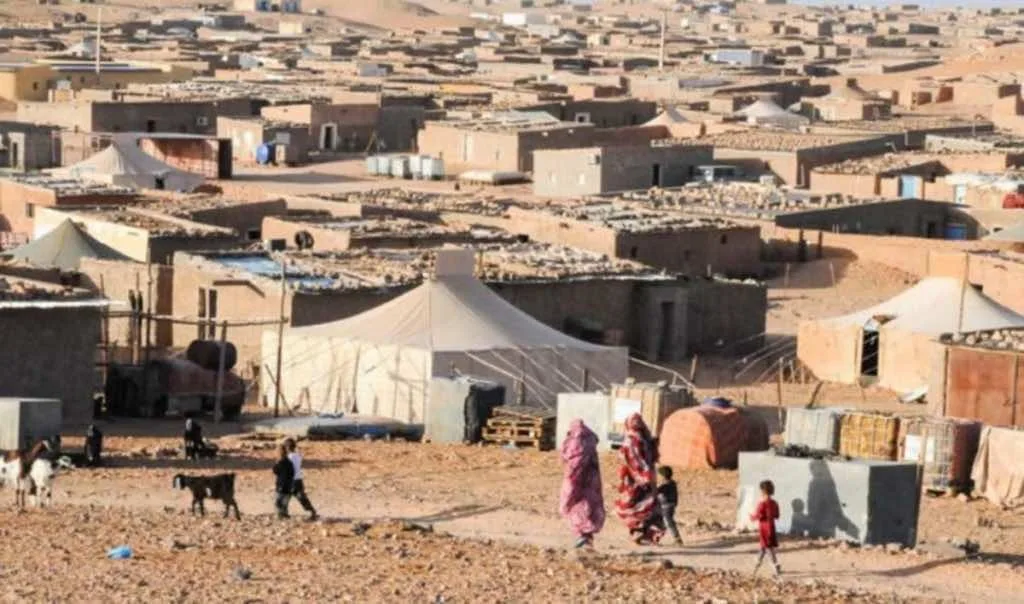
The UN has frequently expressed concerns about the situation in Tindouf, where 90,000 Sahrawis live in dire conditions and are deprived of basic rights, including freedom of movement.
Sahrawis do not have the right to leave the camps, as Algeria’s regime disallows them to visit other parts of its territory, except for Tindouf — a deserted area where malnutrition and anemia affect thousands of women and children.
Several reports from UN Secretary General Antonio Guterres detail the situation in the camps, including the latest published in October of last year.
“Combined with extreme environmental conditions and limited economic opportunities, this situation leaves many Sahrawis malnourished and highly vulnerable,” he said.
The situation is exacerbated by Algeria’s refusal to permit a census that would accurately determine the actual number of refugees in the camps, currently estimated at around 90,000.
Testimonies from former members of the Polisario leadership suggest that Algeria does not allow a census. They say it is common knowledge that only 20% of the camps’ residents are Sahrawis, while the remainder consists of individuals from different tribes, including from the North African country.
Despite the millions of dollars sent by many donors and countries from the EU and beyond, reports continue to indicate a deterioration of living standards for the Sahrawis, exacerbated by the fact that the Polisario embezzles funds intended for humanitarian assistance.
A 2021 report from the Tindouf Autonomy Support Forum (FORSATIN) renewed the growing concerns over a severe health crisis in the camps, attributing the situation to a lack of medical equipment, which is often smuggled rather than reaching those in need. This is not an isolated report, as the group has been sounding the alarm on these illicit practices for quite some time.
In 2015, the European Anti-Fraud Office (OLAF) also exposed the embezzlement of humanitarian aid between 2003 and 2007. The report said the Polisario leadership had been selling aid intended for refugees in Mauritania and sub-Saharan markets to finance the purchase of weapons.
In April, Morocco’s permanent ambassador to the UN, Omar Hilale, pointed out Algeria’s refusal to allow a census and registration of Sahrawis in Tindouf for over 50 years, despite clear directives from the Security Council since 2011.
“The absence of a census facilitates the diversion of humanitarian aid, which has pushed agencies and NGOs to reduce their assistance,” Hilale stated, citing reports from OLAF, the UNHCR Inspector General’s Office, and the World Food Programme that confirmed aid diversion by Polisario and Algerian officials.
He stressed how Algeria’s regime denies Sahrawis their basic rights, including the choice to return to Morocco, settle in a third country, or integrate into Algeria.
Recent reports have shed light on the story of three Polisario members, who fled the camps to Morocco, surrendering and waving the white flag.
The situation comes as many politicians and high-level figures from across the world have been calling for the international community to designate the Polisario Front as a terrorist group for undermining the region’s stability and for keeping thousands of Sahrawis stranded and deprived of their basic rights.