
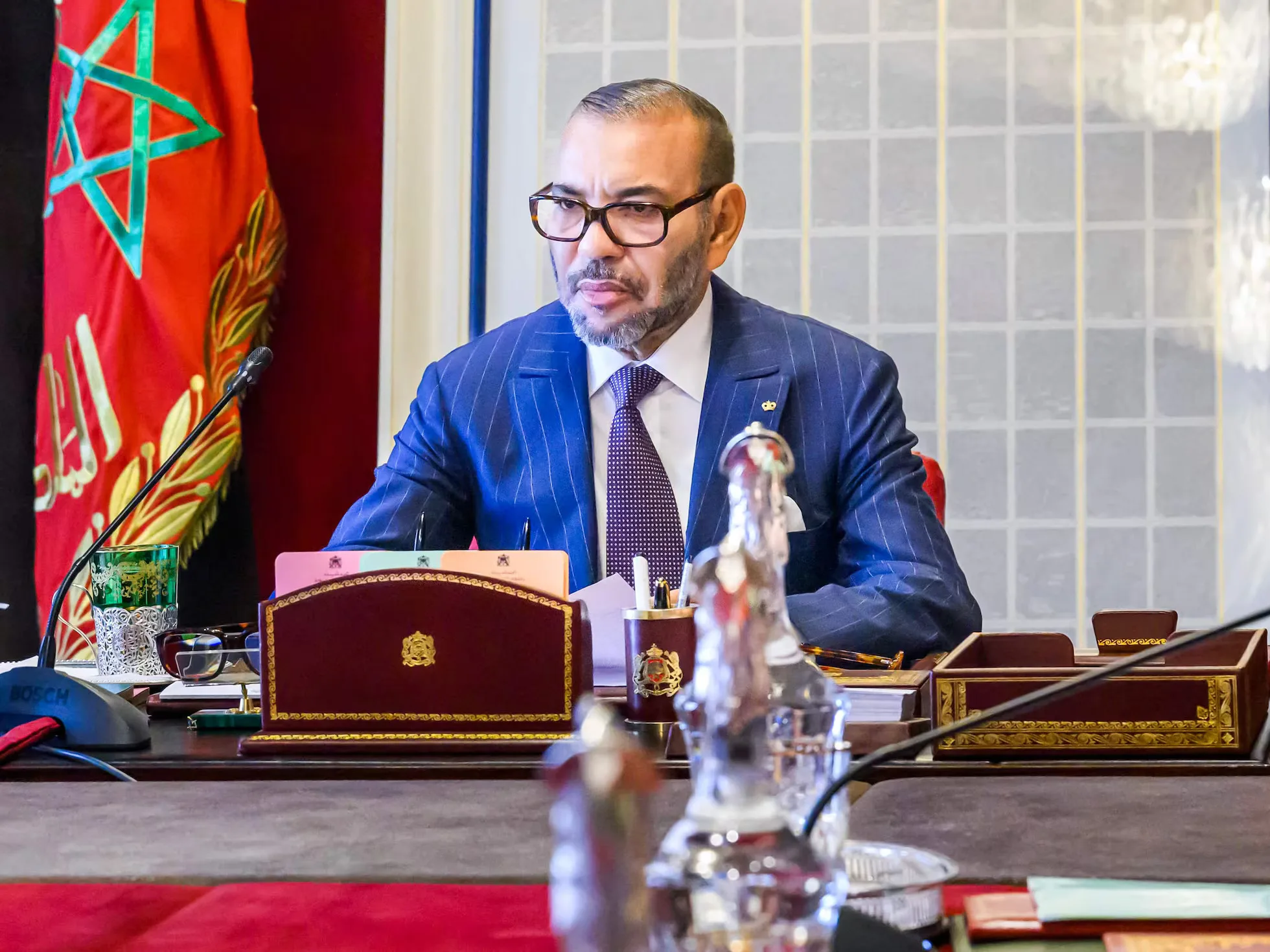
Doha – King Mohammed VI, Commander of the Faithful, has sent greeting cards to the sovereigns, presidents, and emirs of Islamic states on the occasion of Eid Al-Adha.
The monarch expressed warm congratulations and best wishes for health, happiness, and peace to his counterparts across the Islamic world.
This year’s celebration marks a significant departure from tradition in Morocco. For the first time in nearly 30 years, the country is observing Eid Al-Adha without the customary sacrifice of sheep.
In February, the sovereign called on citizens to forego the ritual slaughter to preserve the nation’s dwindling livestock.
The royal directive cited “climate and economic challenges” that have caused a “substantial regression” in Morocco’s sheep population. Since 2016, the country has lost 38% of its livestock, with breeding ewes declining from 11 million to 8.7 million in 2024.
Moroccan authorities have implemented immediate measures following the King’s decree. Officials closed livestock markets nationwide, prohibited animal sales and slaughter, and temporarily shut down municipal abattoirs. In some areas, even the sale of utensils associated with the sacrifice ritual has been restricted.
The decision follows seven consecutive years of drought that have severely impacted Morocco’s agricultural sector.
According to the Ministry of Agriculture, the accumulated rainfall deficit has directly contributed to the sharp decline in livestock numbers. The shortage has caused red meat prices to soar, placing additional economic pressure on Moroccan families.
In previous years, between 5.5 and 6 million animals were slaughtered during Eid Al-Adha in the North African country. This massive annual culling has become unsustainable under current climate and economic conditions.
Understanding the religious significance of the occasion, King Mohammed VI will personally perform a sacrifice on behalf of all Moroccans. This approach follows the example of Prophet Muhammad, who also sacrificed on behalf of believers unable to do so themselves.
The government has declared Monday, June 9, an exceptional public holiday to allow Moroccan families to extend their celebrations. The official Eid Al-Adha will be observed on Saturday, June 7 (10 Dhu al-Hijjah 1446 H).
To mitigate economic impacts, particularly on seasonal workers and merchants who depend on Eid-related commerce, the government has implemented a MAD 3 billion ($300 million) aid program.
An additional MAD 3.2 billion ($320) will be injected by 2026, primarily focused on rebuilding the female breeding stock.
Despite the absence of the sacrifice ritual, Eid Al-Adha remains a sacred occasion for Moroccans. Many families are adapting by purchasing smaller quantities of mutton and liver, key ingredients in traditional Eid dishes.
The King’s father, Hassan II, made a similar decision in 1996, marking the last time Morocco observed Eid without the traditional sacrifice.
Most Moroccans have accepted the directive with understanding, recognizing the necessity of the measure given the current environmental and economic circumstances.
Read also: King Mohammed VI to Perform Eid Al-Adha Prayer in Tetouan