
 Join on WhatsApp
 Join on Telegram
Rabat – Morocco has lost one of its most emblematic figures of military heroism and political tragedy.
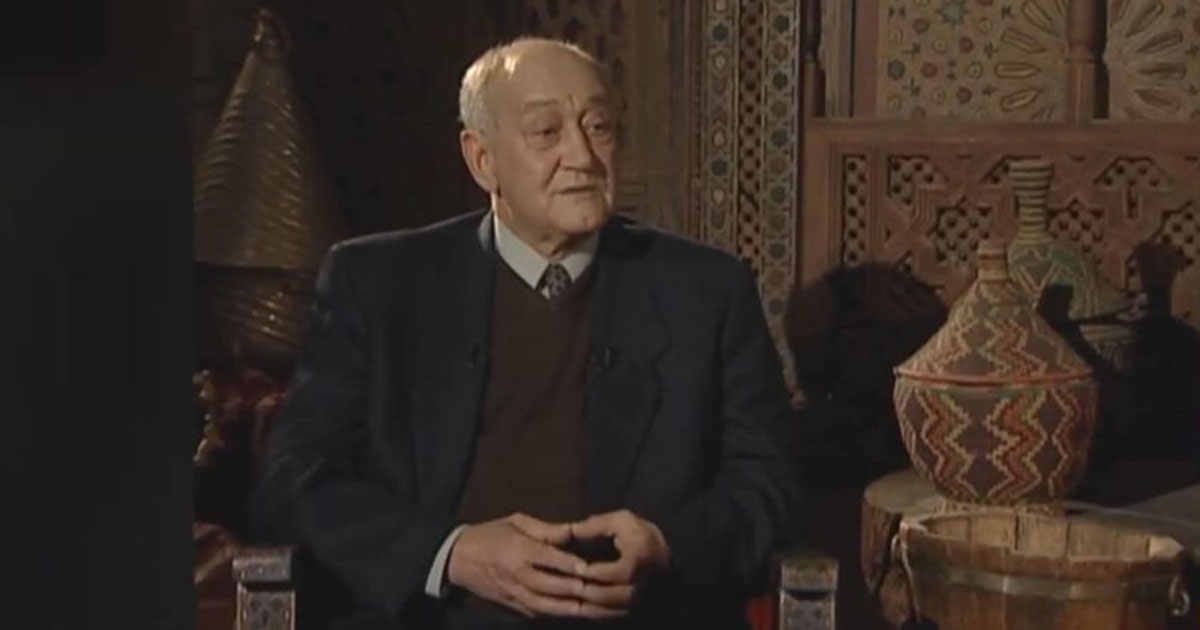
Salah Hachad, a former air force commander and one of the few survivors of the notorious Tazmamart prison, passed away on Saturday, September 13, at the age of 87.
Hachad’s life traced the dramatic arc of Morocco’s modern history: from the dawn of independence and the glory of a budding national air force, to the darkness of failed coups and years of clandestine imprisonment.
News of Hachad’s passing was shared by fellow survivor Ahmed Marzouki on Facebook, closing another chapter on one of Morocco’s most haunting stories.
From promising pilot to top gun
Born in 1938 in Oulad Yaich, a small town near Beni Mellal, Hachad came of age as the country was breaking free from colonial rule. In 1957, he joined the Marrakech military academy and later completed advanced aviation training in France, becoming one of Morocco’s first combat pilots.
His career took a decisive turn in the 1960s, when Morocco received Soviet-made MiG fighter jets. Soon after, shifting alliances steered him toward the US, where he trained on F-5 fighters at Oklahoma Air Force Base.
His exceptional performance earned him the coveted Top Gun shield, a rare honor even among American pilots. Upon returning home, he quickly rose through the ranks, eventually heading operations at the Kenitra air base.
The 1972 coup attempt
Hachad’s career and life unraveled in the summer of 1972 during a failed coup attempt against King Hassan II.
As commander of an escort squadron accompanying the monarch’s plane back from France, he suddenly found himself embroiled in the deadly mutiny when rebel pilots opened fire on the royal jet.
Though the monarch survived and Hachad maintained he had no part in the conspiracy, he and several colleagues were accused of complicity and sentenced to 20 years in prison.
Eighteen years in a secret prison
For Hachad, the punishment proved far harsher than expected. Instead of serving time in ordinary prison, he and dozens of fellow officers were secretly transferred to the remote underground cells of Tazmamart.
In this hidden prison, inmates endured years of isolation, extreme temperatures, and deprivation.
Hachad later recalled the daily struggle for survival: improvised communication codes tapped through walls, makeshift mirrors to catch fragments of light, and clandestine letters smuggled from his wife, Aïda, who campaigned tirelessly for his release.
Families of detainees, alongside activists such as Christine Serfaty, eventually forced the issue into the international spotlight. A 1986 letter from Hachad’s daughter to King Hassan II marked a turning point that began to lift the veil of secrecy.
Return to life and writing
After 18 years in Tazmamart, Hachad was released in 1991 along with other survivors. Though free, the scars of his ordeal never faded.
Instead of retreating into silence, he documented his memories, joining other former detainees such as Ahmed Marzouki (Tazmamart: Cell 10) and Mohamed Raïs (From Skhirat to Tazmamart) in turning personal trauma into testimony.
His writings added to the growing body of Moroccan prison literature, ensuring that Tazmamart remained not just a whispered horror but a recorded chapter of history.