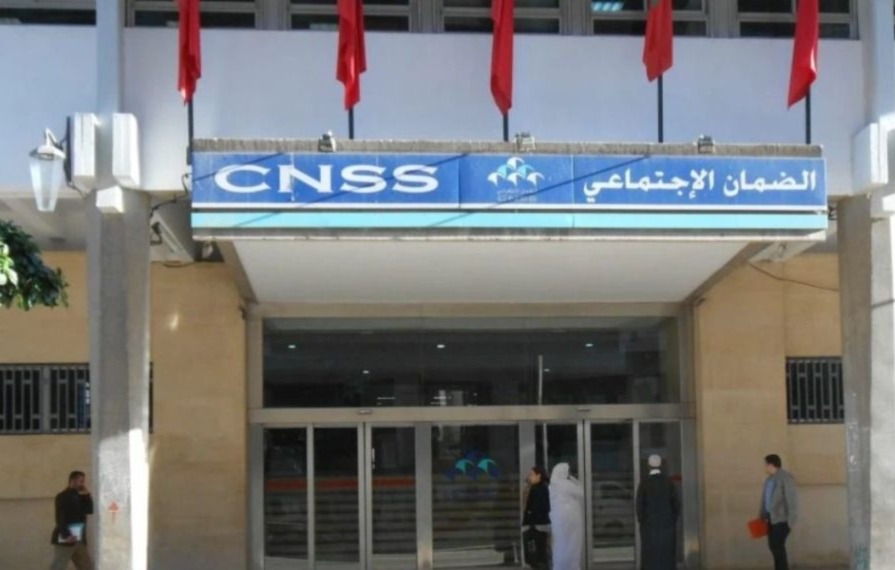
Mohammedia – The unemployment benefit, known as Indemnité pour Perte d’Emploi (IPE), is managed by the National Social Security Fund (CNSS). To qualify, individuals must have contributed to the fund for at least 780 days within the last three years, and a contribution of 260 days in the last 12 months.
The monthly allowance is 70% of the average salary over the past 36 months, capped at the legal minimum wage, which was MAD2,543 in 2020.
Since 2020, the total expenditure on IPE has surpassed MAD2 billion. The number of new beneficiaries annually has remained relatively stable, with approximately 25,000 to 27,000 individuals receiving the benefit each year.
However, the average duration of employment before claiming the benefit has decreased, indicating a trend towards more precarious employment situations.
Despite the financial support provided, the scheme covers only a small fraction of unemployed individuals. The International Labour Organization (ILO) reports that the current contributory scheme is reserved for salaried workers and has a very limited effective coverage of 1.4% of unemployed individuals.
Several issues hinder the effectiveness of the IPE. A significant number of applications are rejected due to stringent eligibility criteria and administrative challenges. In 2023, nearly half of the applications were denied – highlighting the barriers faced by many workers in accessing the benefit.
Additionally, the loss of employment often leads to the loss of health coverage under the CNSS, leaving individuals without access to medical services.
This situation exacerbates the vulnerability of unemployed workers and underscores the need for a more inclusive social protection system.
Anticipated reform and future outlook
Recognizing these challenges, the Moroccan government has outlined plans for a comprehensive reform of the unemployment benefit system.
The reform aims to extend coverage to all individuals with stable employment, simplify eligibility criteria, and increase the benefit amount.
An annual budget of MAD51 billion has been allocated for this reform, with MAD23 billion to be financed by the state budget by 2025.
The reform is part of a broader agenda to enhance social protection in Morocco, which includes the generalization of mandatory health insurance and direct social assistance.
The government plans to increase expenditures on social protection to MAD39 billion in 2025, with projections to exceed MAD41 billion in 2026.
However, the implementation of the reform has faced delays, and the timeline for full realization remains uncertain.
Stakeholders continue to advocate for timely action to address the gaps in the current system and ensure that all workers have access to adequate support in times of unemployment.
While Morocco has made strides in providing unemployment benefits, the existing system’s limitations necessitate urgent reform. The proposed changes hold the potential to create a more inclusive and effective social safety net, but their success will depend on prompt and decisive action by the government.
Read Also: After Jabaroot Data Leaks, CNSS Allocates $4 Million for Cybersecurity