 Join on WhatsApp
 Join on Telegram
Rabat – Morocco’s Minister of Economy and Finance, Nadia Fettah, acknowledged on Monday the existence of “social tensions” linked to the rising cost of living, while insisting that the government has deployed consistent measures over the past three years to cushion the impact on households.
Speaking during a question session at the House of Representatives, Fettah described the government’s policy as “pragmatic and realistic,” emphasizing the challenges posed by volatile international markets.
According to the minister, inflation has stabilized at 1.1% since August, a rate significantly lower than in comparable economies.
She explained that most basic goods have become cheaper compared to 2024, except for fruits and vegetables, whose prices remain subject to seasonal and logistical variations.
Between 2022 and 2025, the state allocated MAD 110 billion ($10.7 billion) to support purchasing power and mitigate household shocks.
This budget includes subsidies for water and electricity bills, which, Fettah said, were maintained “to prevent any increase in household costs.” She described this fiscal effort as “a social equilibrium choice” in light of Morocco’s macroeconomic constraints.
The minister also referred to reinforced market supervision, carried out jointly with the Ministry of the Interior, to curb speculative practices and prevent hoarding networks from manipulating prices.
“Some operators take advantage of price differentials,” she noted, adding that the state is determined to “fully assume its regulatory responsibilities.”
Fettah concluded that the government’s goal was not to deny the economic difficulties faced by citizens, but rather to “accompany them through targeted mechanisms, close market monitoring, and constant vigilance over distribution channels.”
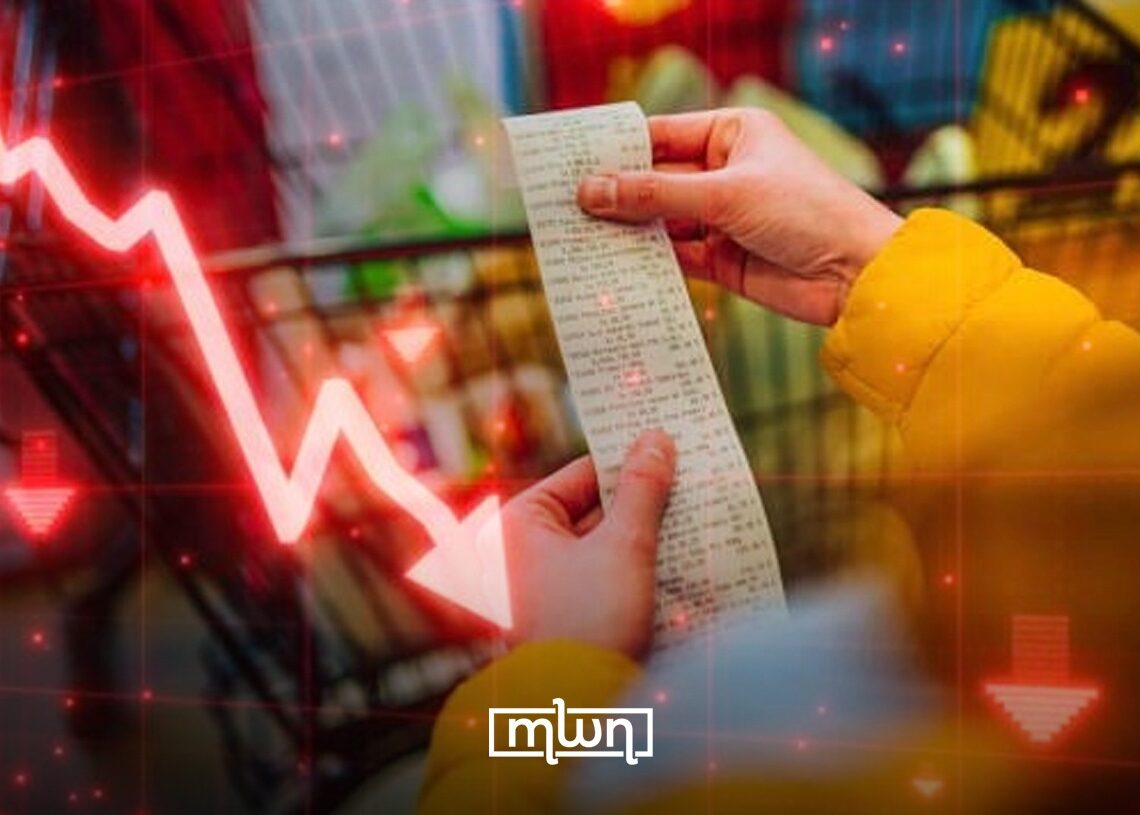
Across Morocco, many citizens say official inflation figures fail to capture the reality of their daily struggles. From groceries to rent and utility bills, everything feels more expensive, tightening household budgets and straining wallets.
Families complain that the cost of basic food items has risen sharply, while salaries remain insufficient to keep up with the hike in prices.
As public discontent over prices grows, the cost of living and purchasing power are shaping up to be decisive themes in Morocco’s 2026 legislative elections.