
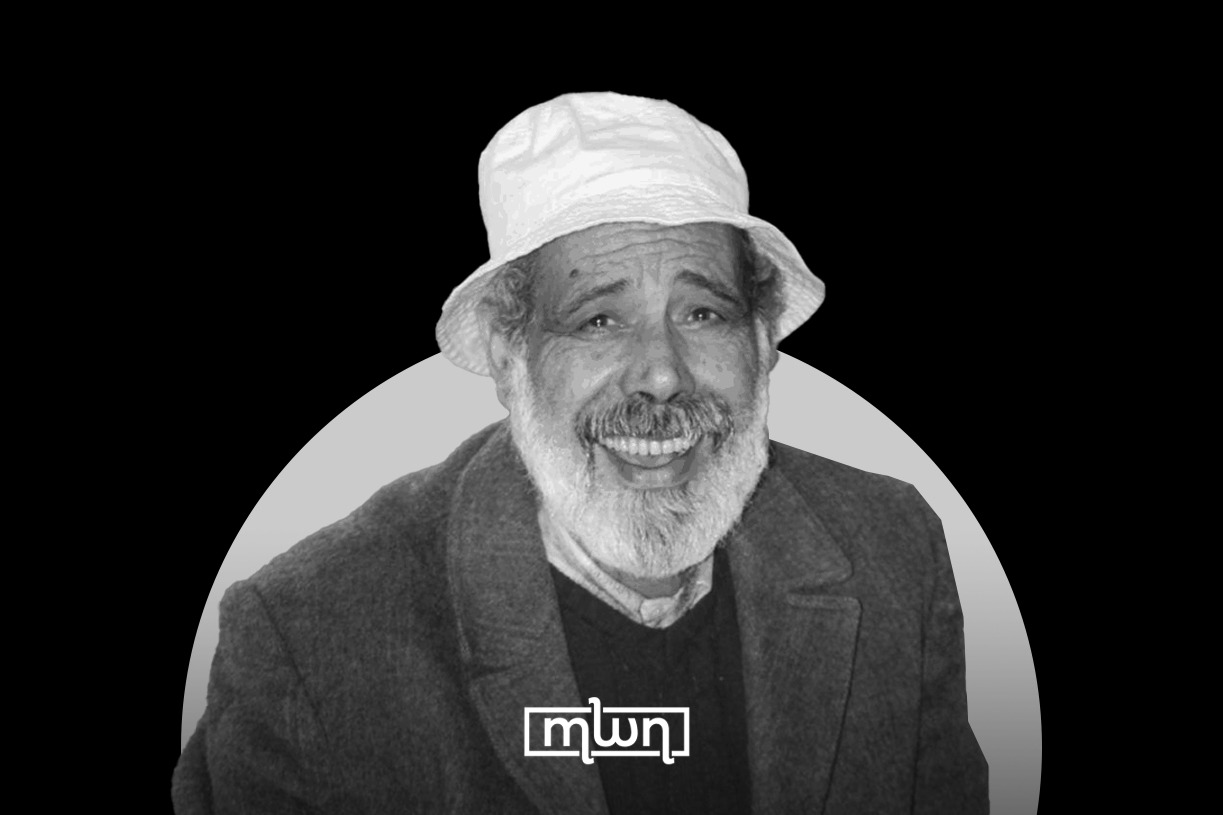
Rabat – The Moroccan art scene is mourning the loss of one of its most respected figures. Veteran actor Mohamed Razine passed away on Thursday morning at the age of 79 after a long struggle with illness.
Moroccan actor and director Rachid El Ouali announced the news by sharing a heartfelt message on Instagram expressing his sorrow.
“With great sadness, I received this morning the news of the death of the great artist Mohamed Razine after a battle with illness. I had the honor of keeping in touch with his son Marouane and following his condition, hoping he would recover. But God’s will was above all,” El Ouali wrote.
“Mohamed Razine was not just an ordinary artist; he was one of the pillars of Moroccan theater. He left behind an artistic and human legacy that will remain in the memory of Moroccans,” the actor added.
He expressed his sincere condolences to the late actor’s family and to all the Moroccan artistic community.
Born in 1946, Mohamed Razine was among the pioneers of Moroccan theater, cinema, and television. His career began in the early 1960s when he joined amateur theater groups before pursuing studies at the National Institute of Music, Dance, and Dramatic Arts in Rabat, where he later also taught.
Razine’s talent quickly stood out, and he collaborated with major theater companies such as “Al Qinaâ Al Saghir” (The Small Mask) and the National Theatre Mohamed V, performing in countless plays. He also worked with a new generation of Moroccan directors, including Faouzi Bensaïdi in the acclaimed play “Al Fil” (The Elephant).
His performances in films like “Al Qanfoudi” (1978) by Nabil Lahlou and “Al Sarab” (1979) by Ahmed El Bouanani are unforgettable to Moroccan audiences.
Throughout his career, he also took part in about 20 international film and television productions shot in Morocco, including the French director Philippe de Broca’s “One Thousand and One Nights” (1990) and the series “David – The Bible” (1997).
Mohamed Razine’s passing marks the end of an era for Moroccan theater and cinema. His powerful voice, emotional performances, and deep commitment to the art will continue to inspire generations of Moroccan artists.