 Join on WhatsApp
 Join on Telegram
Staying independent does not always mean staying indoors. Many Canadian seniors go for walks, do errands, visit with family, or take small trips each day, and having the confidence to do all this means the world. Mobile medical alert systems are built for just this kind of lifestyle: to go with you, connect you to help in an emergency wherever you may be, and support an active routine without the confining safety of the four walls of your home.
Unlike fixed-location devices, mobile systems are based on technology that applies across different environments. Naturally, that reflects in the price, and many people compare this price difference to question whether the added cost is justified. How much more does it cost for a mobile plan, and why?
This post will explore the major factors so that you can balance value and personal needs when you select a plan.
Base Plan vs. Mobile Plan: understanding the price gap
When comparing the life alert price Canada, a pattern emerges pretty clearly. Mobile protection plans usually tend to be more costly compared to traditional in-home systems. In-home devices reside within one space and usually operate on either a landline or household power, so they work within a controlled environment.
Mobile protection, however, needs to work anywhere outside; in vehicles, out of town, or even across provinces. It requires additional connectivity features such as cellular service and GPS. The cost difference isn’t because of convenience, but also its accessibility outside of the home. Therefore, an average mobile Life Assurance medical alert will cost between $34 and $54 per month, depending on the features.
Technology and device capability
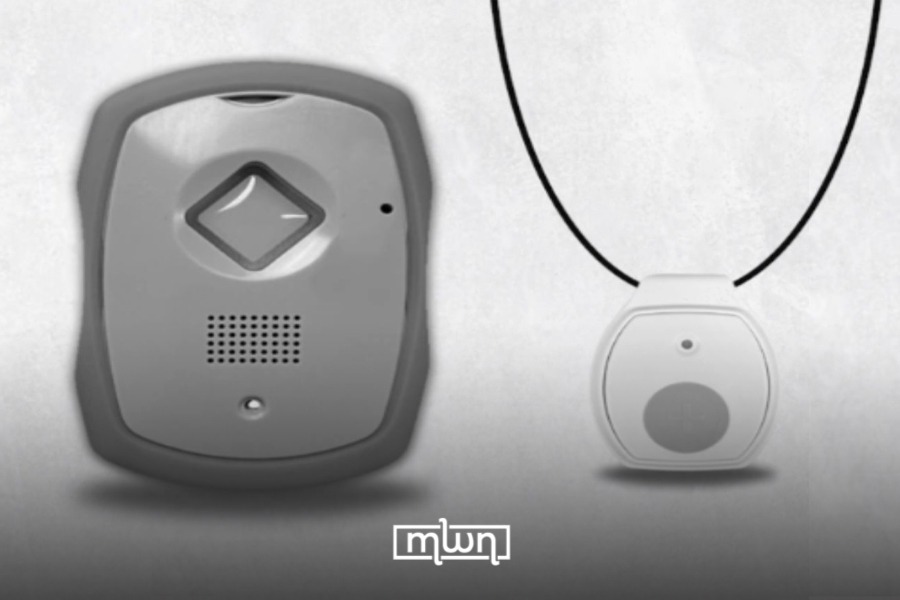
Mobile alert devices have much more advanced internal components compared to the basic home-only systems. They also include communication chips, antennas, GPS tracking modules, and rechargeable batteries designed to make it through daily usage, rather than just a base unit and a button.
These features support on-the-go safety and must work consistently, whether you’re taking a walk around your neighborhood, shopping, or traveling. That extra technology adds to production and service costs, which contribute to the price difference.
Network and monitoring coverage
With mobile protection, emergency support is not limited to a single address. Signals must instead traverse secure cellular networks to a trained monitoring team, who can locate and support you, wherever in Canada — and sometimes even beyond — you may find yourself.
It is this type of coverage that maintains network fees, licensed call-centre support, and systems designed for rapid location verification in emergencies. Home-based systems are generally more limited and, as a result, less expensive to maintain. The wider coverage and real-time tracking push this month’s rate up.
Additional safety features
Many of these mobile plans include much more than just the basic emergency button, but also automatic fall detection, live GPS location, notifications to caregivers, and extended battery protection. The list goes on and is either available or included in their package.
These features require additional software, continued system updates, and integrated sensors. For seniors who are mobile or spend a lot of time outside alone, these features can offer significant peace of mind. These do add a higher cost, but they also expand safety in ways that home-only systems cannot.
Portability and power requirements
A medical alert system’s mobile version must continue to function without being plugged in; therefore, battery technology is a significant factor. Systems controlling these devices need high power capability, smart battery health systems, and high-speed charging.
Designing and supporting portable units that can run for long, uninterrupted hours adds to both manufacturing and service expenses. Consistent electricity for in-home units minimizes these requirements, adding to their overall low price.
Service terms and optional add-ons
Some would be content with a no-frills, simple emergency button, while others may prefer fall detection, caregiver access options, or extended monitoring services. Mobile plans tend to be rather similar and allow for more add-ons that can easily raise the total cost in small increments, depending on the choices made.
Other items that do not require contracts or upfront fees include replacement devices, additional accessories, and coverage outside of normal service areas. Understanding exactly what is included in a given medical alert system will help you choose the right level of coverage without paying for features you don’t need.
Value considerations — matching lifestyle and cost
Whether mobile protection is worth the extra money depends largely on one’s lifestyle. Those who rarely leave their homes might not need portable coverage and can probably get their money’s worth out of a more basic stationary system.
For active seniors, however, who take walks, frequent shopping trips, attend community events, or travel to visit family, mobile alert protection provides security that moves with them. The additional cost buys real-world protection for a mobile lifestyle, and is well worth it if being independent outside the home is important.
Generally, mobile medical alert systems in Canada are more expensive than their home-based counterparts, primarily due to the advanced technologies, extensive network coverage, portability, and additional safety features they offer. It is not just equipment; it means protection outside your front door.
Comparing options should not be solely about price, but rather about where you spend your time and what type of support provides you with a sense of confidence. If your days involve activity beyond the home, the additional cost of mobile protection may be a good fit with your safety needs and lifestyle.