
 Join on WhatsApp
 Join on Telegram
Rabat – Morocco’s Minister of Justice, Abdellatif Ouahbi, has expressed regret over his past opposition to draft law No. 22.20, a controversial bill that sought to regulate social media use and curb online misconduct.
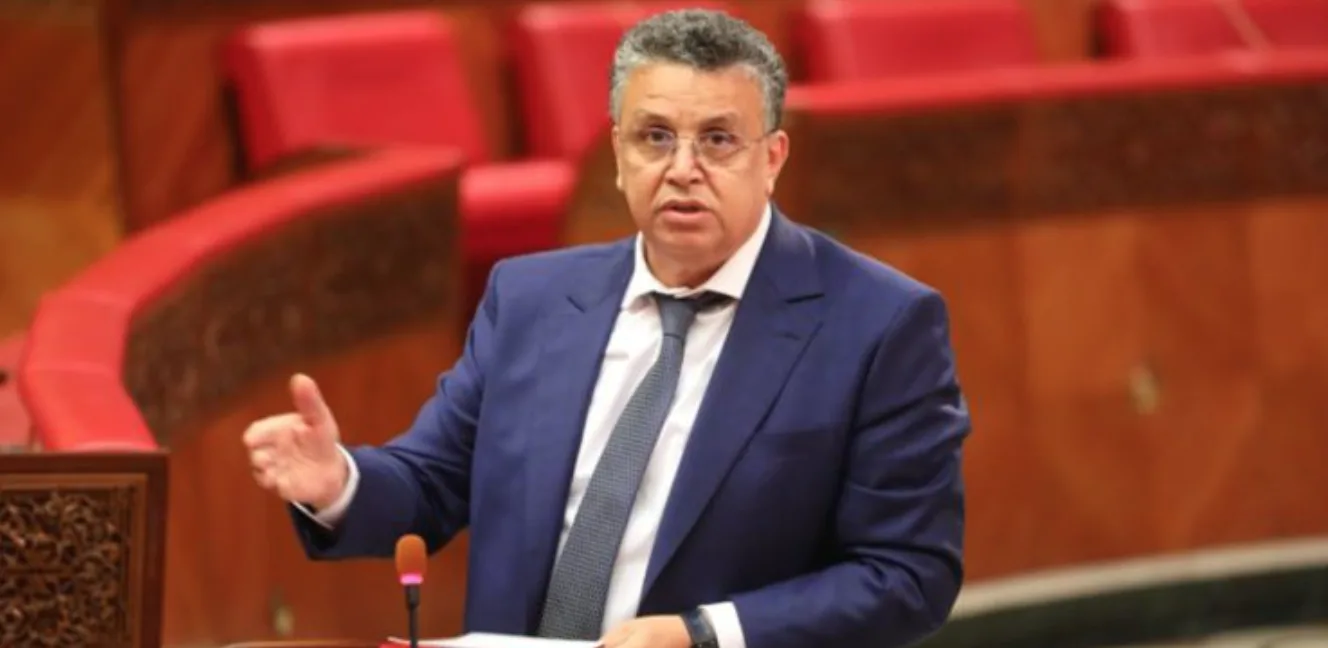
Speaking before parliament on Monday, the minister acknowledged that rejecting the bill had been a mistake, arguing that social media platforms have increasingly become spaces for defamation and abusive behavior.
Ouahbi said that combating defamation requires confronting what he described as “hypocrisy,” noting that some actors justify insults and smear campaigns under the banner of freedom of expression.
“We need a law that strictly penalizes these practices. Without it, people will continue to exploit this legal vacuum to defame others. A law is the only solution,” the minister said in response to an oral question from the Parliamentary Progress and Socialism Party (PPS).
The justice minister has repeatedly signaled his intention to crack down on excesses observed on social media platforms.
In a television interview aired in September 2024, he argued for introducing criminal sanctions into the penal code, including prison sentences, to address violations such as filming individuals’ private lives without consent and disseminating such content on platforms like TikTok and YouTube.
Ouahbi defended a similar position during a parliamentary session in December 2022, where he pledged to deal “strictly” with defamation on social media and websites. He stated that personal dignity and private life are “sacred and inviolable.”
Looking ahead to the upcoming reform of the penal code, the minister said the new text would include severe penalties for those who share private images via messaging applications or social media platforms, as well as non-journalists who publish such content on websites or video-sharing platforms with the intent of attacking individuals’ private lives.
Draft law 22.20 had drawn widespread criticism for its restrictive provisions.
Article 14 of the bill proposed prison sentences ranging from six months to three years, along with fines between MAD 5,000 and MAD 50,000, for anyone who publicly calls for or incites the boycott of products, goods, or services through social media or open broadcasting networks.
The renewed stance of the justice minister is likely to reignite debate over the balance between protecting individual rights and preserving freedom of expression in Morocco’s digital space.