Casablanca – The city of Casablanca hosted a high-level discussion yesterday bringing together diplomats, business leaders, academics, and technology executives to examine how trust in technology, talent, and trade is shaping the evolving economic relationship between the United States and Morocco.
The Moroccan-American Commission for Educational and Cultural Exchange (MACECE) organized the event in collaboration with the US Mission to Morocco, Dar America, and the Tangier American Legation, as part of commemorations marking the 250th anniversary of the United States and the 80th anniversary of the Fulbright Program.
Under the theme of “Advancing U.S.-–Morocco Investment: Trusted Tech, Talent, and Trade,” the gathering placed a strong emphasis on people-to-people ties and long-term partnership, positioning technology and talent development as central pillars of future cooperation.
Speaking on the sidelines of the event, US Consul General Marissa Scott said the discussion reflected a broader effort to deepen collaboration beyond traditional trade frameworks.
“Today we look at trusted trade, tech, and talent, and how the US and Morocco can work together to ensure partnerships that guarantee all of those elements,” Scott told MWN.
“Everything is defined through people. As our relationship grows, our relationship with the people of Morocco grows.”
Scott highlighted the presence of more than 150 American companies operating in Morocco, describing them as a “pipeline” not only for bilateral ties, but for broader regional engagement.
“These companies give a lifeline not just for Morocco and the US, but for the entire continent and the world,” she said, adding that the goal is to expand that footprint through deeper trust and cooperation.
Acknowledging existing challenges, she noted, “Is it perfect right now? No. Are there opportunities? Absolutely.”
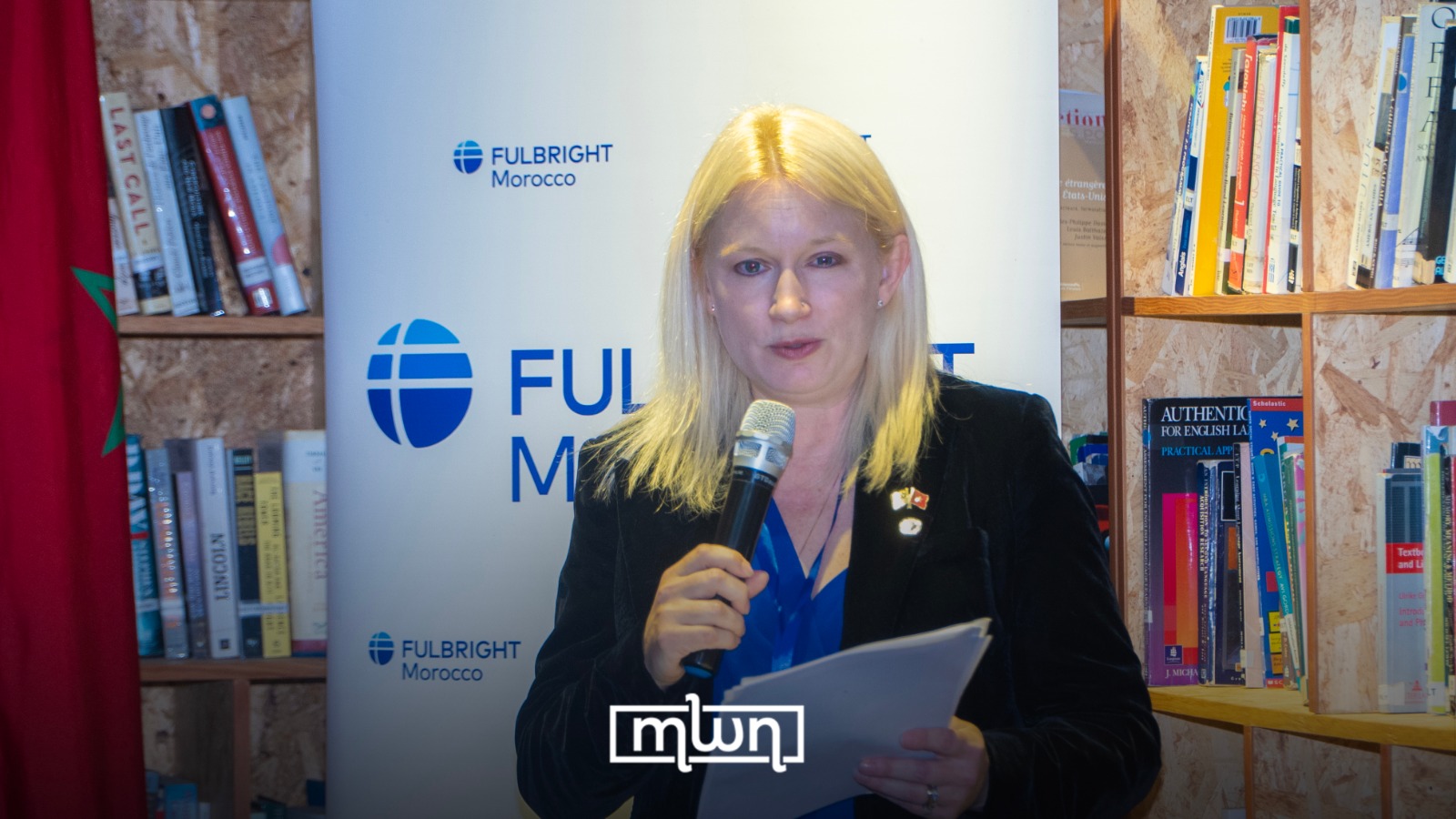
Rebecca Geffner, Executive Director of the Moroccan-American Commission for Educational and Cultural Exchange, framed the event as a reflection of both historical ties and future priorities.
“Tonight’s event is focused on trusted tech, talent, and trade, and the intersection of these three in the very important relationship between Morocco and the United States,” she told MWN.
Geffner emphasized the role of exchange programs, particularly the Fulbright program, in supporting human capital and workforce development.
“People-to-people diplomacy is essential in supporting economic relationships like the one we have between Morocco and the United States,” she said.
From trusted frameworks to business reality
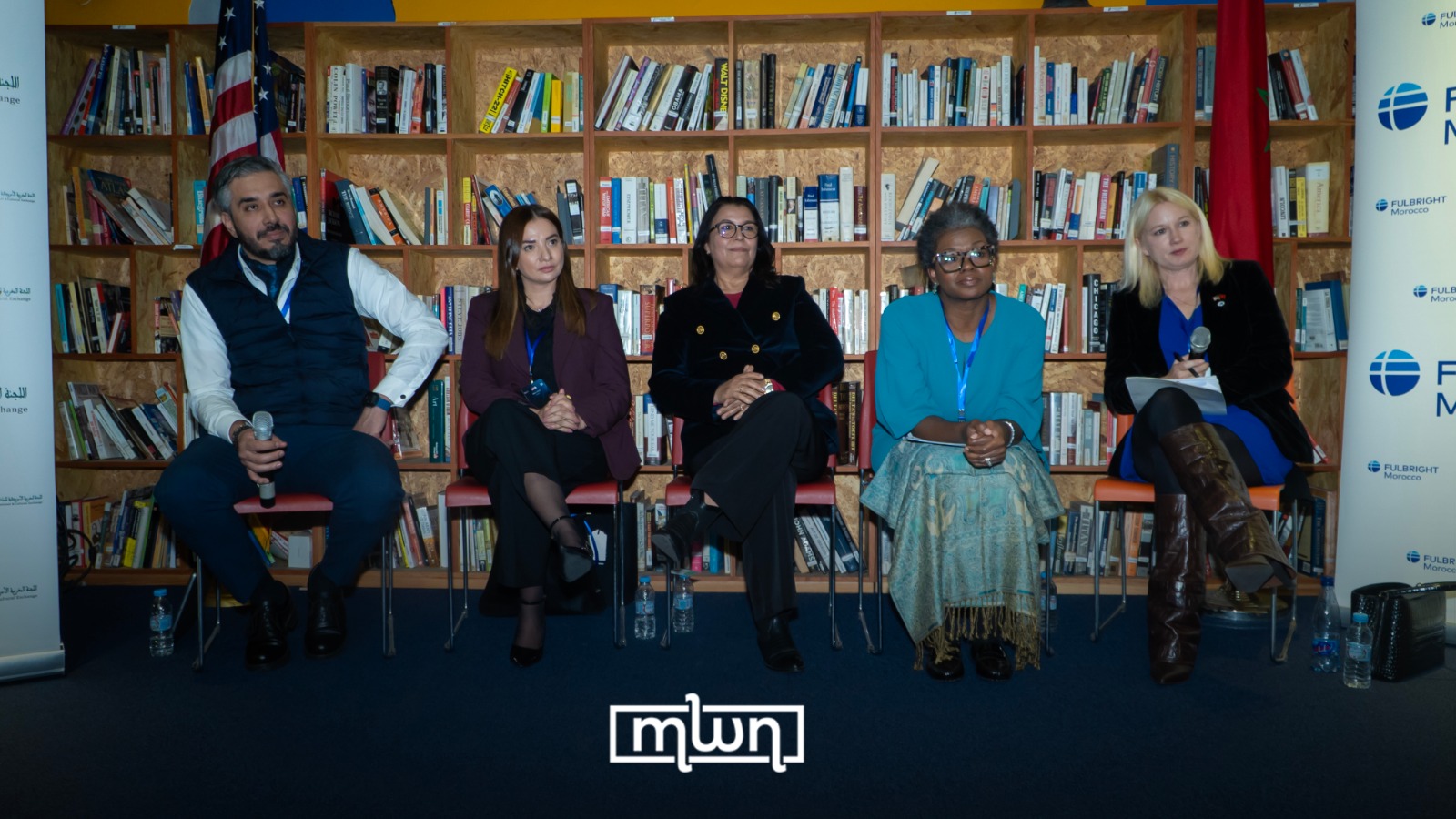
The discussion focused on how trust influences real investment decisions, regulatory alignment, and innovation on the ground, with panelists drawing on perspectives from government, business, technology, and investment.
During the discussion, Scott emphasized transparency and accountability as core requirements for sustainable technology investment.
“We’re looking for transparency and accountability when it comes to tech,” she said, pointing to the importance of clean regulatory environments and infrastructure that allow companies to establish long-term operations in Morocco.
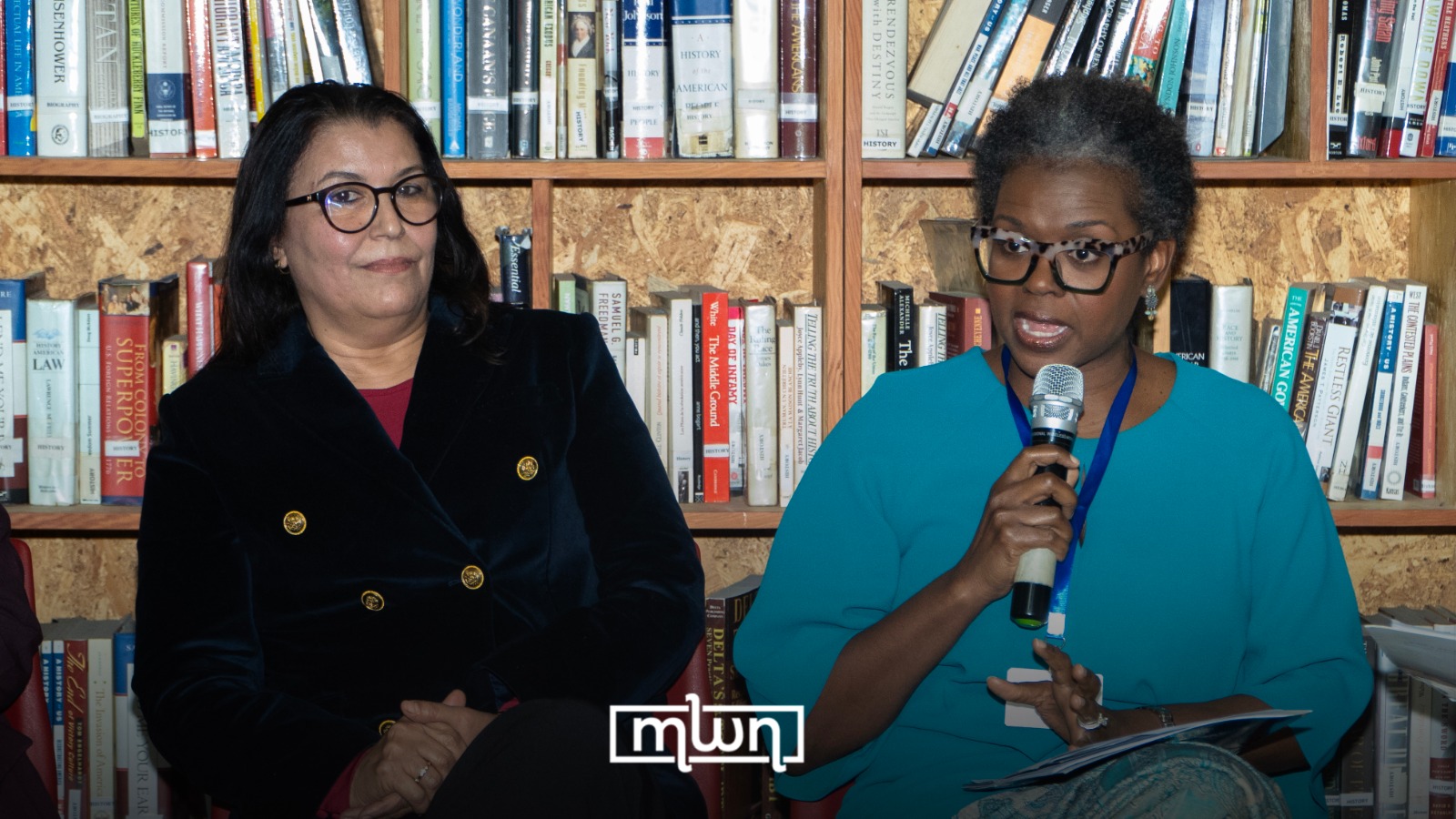
Rabia El Alama, Managing Director of the American Chamber of Commerce in Morocco (AmCham), focused on standards and security as defining features of trusted technology.
“Trusted tech is technology that is secured by design and that you can audit,” she said, noting that robust standards and intellectual property protection are often decisive factors for US firms operating in sensitive sectors such as healthcare and data-driven industries.
From a regional technology perspective, Intissar Hardaf, Strategic Partnerships Regional Director for the Middle East and Africa at Microsoft, described trust as a shared but evolving concept shaped by both corporate expectations and national priorities.
She explained that for US companies, trusted technology is closely tied to secure, reliable, and ethical systems supported by clear regulatory frameworks and long-term stability.
“From a U.S. company perspective, what is important is to come into a market that has a clear regulatory framework and the stability needed to invest in the long term,” Hardaf said, adding that Morocco’s emphasis on digital sovereignty and locally anchored standards sets it apart regionally.
Trusted technology at Microsoft is built around security, responsible AI, and strong safeguards for data, she noted, stressing that partnerships remain the key bridge between corporate capabilities and Morocco’s national ambitions.
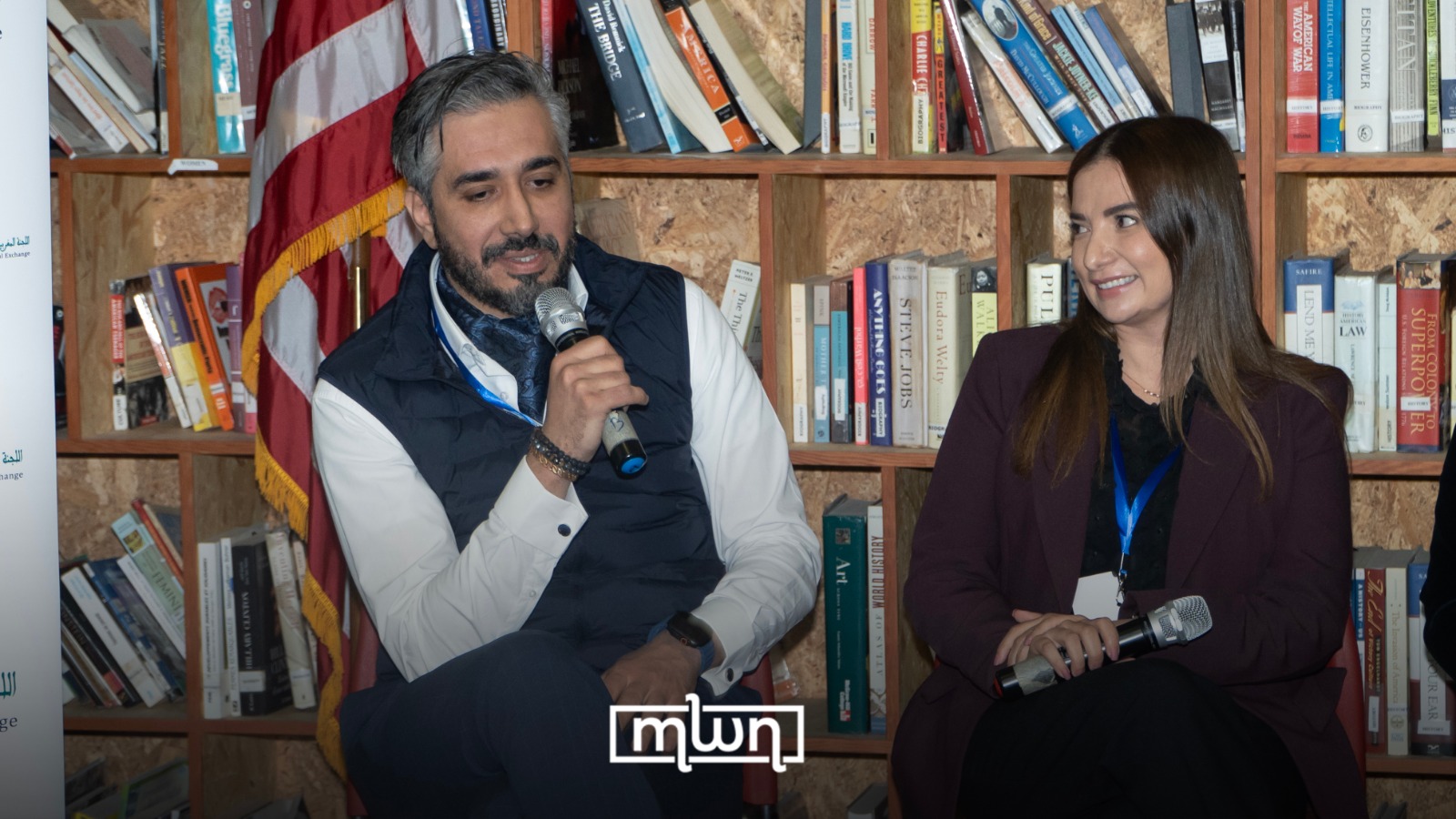
Investor and venture builder Yassine Laghzioui, CEO of UM6P Ventures, highlighted predictability as the core concern for entrepreneurs and investors considering Morocco as a base for technology and innovation.
He argued that while risk is inherent to innovation, investors are willing to accept it when operating in an ecosystem where rules, infrastructure, and institutions are reliable.
“Every technology is risky by definition,” Laghzioui said. “So technology is about an ecosystem that is predictable,” he said.
He pointed to intellectual property protection, access to talent, and reliable infrastructure as key elements of that predictability.
The discussion concluded with an open exchange with the audience, addressing workforce readiness, engineering capacity, AI ethics, and the role of universities and industry partnerships.
Read also: UM6P’s Hospitality School Hosts Industry Leaders to Chart Africa’s Excellence Path