Rabat – Egypt has won the Africa Cup of Nations a record seven times. They were the first champions in 1957, defended the title in 1959, and later became the only team to win three tournaments in a row (2006, 2008, 2010). These achievements secured their place in African football history.
Yet their inability to lose in class or elegance, to take responsibility after disappointing eliminations, to accept that defeat — however supposedly “unfair” or “not deserved” — is an integral part of football, is eroding their once illustrious standing in continental conversations around football.
And as the Egyptian coach’s provocative and self-entitled demeanor puts his country’s AFCON record under intense scrutiny, many critics are coming out to rightly posit that the story of any AFCON-winning side is not just about trophies.
It also reflects the circumstances in which those titles were earned and how the team behaved when results turned against them. While marked by success, Egypt’s AFCON legacy is often questioned due to its format advantages, football politics, disputed perceptions, and, in recent years, confrontations that have damaged its reputation.
Egypt’s Early AFCON Wins: Real but Limited
Egypt’s first two Africa Cup of Nations victories are official and historically significant, but they came in very small tournaments.
In 1957, only three teams took part after South Africa was disqualified, so Egypt needed just a couple of matches to claim the trophy. The 1959 edition also had only three teams in a short round-robin format. This wasn’t Egypt’s fault — African football was still developing.
However, presenting these wins as proof of dominance without noting the tiny scale of the competition can be misleading. That’s why the “seven titles” headline, while correct, often sparks debate: the early trophies were earned under conditions far different from today’s full continental championships.
2006: A title that became a flashpoint
Egypt’s 2006 Africa Cup of Nations win should have been remembered as a strong home run, ending with a penalty shootout victory over Côte d’Ivoire. Instead, it became a case study for critics because the tournament was clouded by refereeing doubts and poor decisions from CAF.
The Guardian wrote that “refereeing was always likely to be a sensitive subject” during Egypt’s path to the title, especially after the semi-final against Senegal. Senegalese players and staff felt major calls went against them, and captain El Hadji Diouf warned that “the whole world is laughing at Africa” after a clear penalty was denied.
Referee Divine Évehé was also accused of ignoring repeated fouls by Egypt, fueling claims that the hosts were protected.
CAF made things worse by appointing Mourad Daami to referee the final. Daami had previously been banned for trying to influence another referee, so his selection alone damaged trust. Côte d’Ivoire’s camp voiced concerns about fairness before the match, and officiating pressure became part of the narrative.
For Egyptians, the trophy proved strength and resilience. For critics, it showed how home advantage, questionable refereeing, and political optics overlapped under CAF’s watch. Whether bias was deliberate or systemic is unclear, but in African football, perception often defines reality. In 2006, decisions and appointments ensured that the perception of favoritism could not be ignored.
CAF politics and the Morocco 2015 memory
The debate about Issa Hayatou’s time as CAF president (1988–2017) cannot be separated from the AFCON 2015 crisis, which shaped how Moroccans see power inside African football.
Morocco was set to host AFCON 2015. But following the Ebola outbreak in West Africa in late 2014, the country asked CAF to delay the tournament. CAF rejected the request, saying a postponement would “open the door” to future delays and make the body “no longer credible” with sponsors.
On February 6, 2015, CAF punished Morocco by banning them from AFCON 2017 and 2019, fining them $1 million, and ordering €8.05 million in compensation. The sanctions looked less like discipline and more like a warning to any host nation that challenged CAF.
For Morocco, the message was clear: CAF would not accept resistance, even during a health crisis. The case became symbolic because CAF acted firmly here, while in other governance issues it often hesitated. Whether seen as fair or harsh, the punishment turned a scheduling dispute into a lasting political memory.
Morocco appealed to the Court of Arbitration for Sport (CAS). On April 2, 2015, CAS lifted the bans and cut the fine to $50,000, showing CAF’s sanctions were excessive. CAS noted that compensation claims could still be handled elsewhere, but the sporting penalties were overturned.
When Egypt’s behavior became the story
Earlier debates about Egypt’s AFCON legacy focused on context and perception. But AFCON 2025 in Morocco turned into a reputational crisis, driven by Egypt’s own words and behavior.
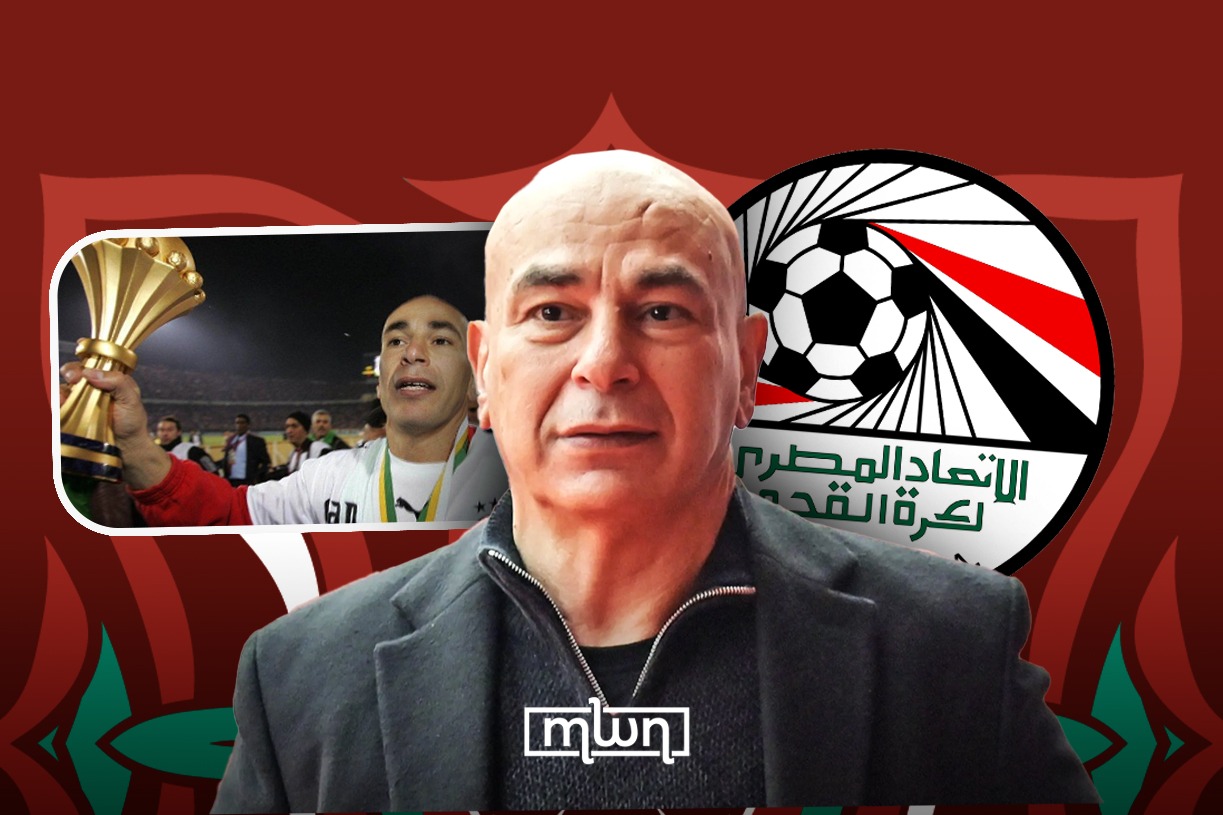
Before his team’s semi-final clash against Senegal, coach Hossam Hassan dismissed criticism with: “I don’t give a damn.” After the 1-0 loss to Senegal, he shifted blame away from tactics and toward outside forces.
“Egypt is the mother of Arabs and Africa historically. No one possesses the history we possess… We won the African Cup seven times. This creates jealousy,” Hassan declared. “Until Judgment Day, no one will achieve what Egypt’s national team accomplished. Certain parties felt anxious about Egypt’s victory and reaching the final.”
This has fueled perceptions of conspiracy instead of accountability, leading many fans and commentators to mock Egypt as bad losers and self-entitled former champions.
Yet the Egyptian coach went even lower in his haughty attitude, shrugging off and dismissing the fact that his team had benefited from enthusiastic local support. “We don’t expect anyone to cheer for us or not cheer for us.
We were focused on the tournament and willing to play under pressure,” he said when asked about crowd support. In Casablanca this past Friday, the pre-match press conferences ahead of the third-place game against Nigeria grew even more tense when Hassan declined to engage with the press.
The Egyptian coach refused to answer Moroccan journalists, calling their questions “impolite” and accusing them of lacking “media etiquette.” His stance made him look more focused on fighting reporters than explaining Egypt’s poor performance.
The controversy spread when team director Ibrahim Hassan told Moroccan media, “Have you won any championships? You waited 50 years to win the continental title.” This remark was seen as deliberate disrespect, deepening the backlash and reinforcing the view that Egypt’s officials were combative and dismissive rather than simply disappointed.
Egypt’s football history is respected. Their three straight AFCON wins from 2006 to 2010 were truly top-level, and their record is still a benchmark in Africa. But legacy is not only about trophies, it is also about credibility, humility, and professionalism.
At AFCON 2025, Egypt did more than lose a semi-final. Their team’s leadership turned defeat into conflict, dismissing criticism, fueling grievances, provoking the host crowd, and clashing with journalists.
These actions hurt Egypt’s image more than any scheduling issue ever could. Morocco’s tournament gave many teams a stage. Egypt’s delegation chose to turn that stage into a courtroom, and in doing so, let controversy overshadow its own history.