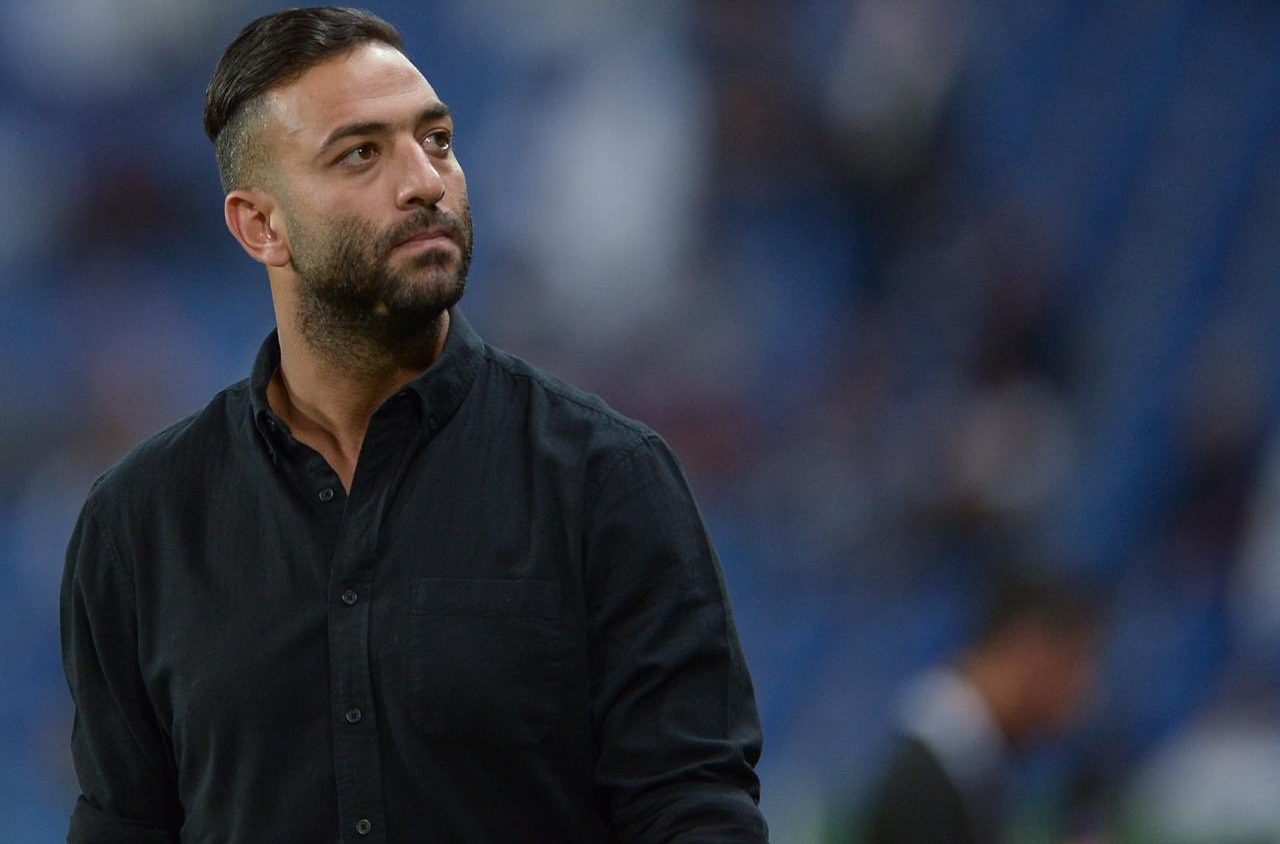
Rabat – Ahmed Hossam “Mido” has found himself at the center of a growing media and football controversy in Egypt after comments he made on a podcast questioned how key decisions were taken during his national team’s most successful era.
During the appearance, Mido spoke about Egypt’s Africa Cup of Nations (AFCON) triumphs under former head coach Hassan Shehata, saying that non-technical considerations influenced squad selections.
He suggested that “sheikhs” played a role within the team environment and argued that his absence from the AFCON 2010 squad followed such decisions, despite what he described as strong domestic performances at the time.
“They spoke about magic and red mercury. I was once asked to wear the number five. Before each match, our shirts and belongings were taken and sprinkled with water. Sheikhs would insist that certain players had to wear specific numbers,” Mido said.
The remarks spread quickly across Egyptian media and social platforms, drawing sharp reactions from former players, coaches, and commentators who viewed his words as a personal grievance that cast doubt on collective achievements.
Mido’s comments meet a heated AFCON climate
The controversy did not unfold in isolation. Mido’s remarks emerged amid heightened criticism from Egyptian football circles toward Morocco’s hosting of the AFCON 2025.
In television studios and online platforms, Egyptian commentators repeatedly questioned refereeing decisions, organizational choices, and tournament management. Some voices openly described the competition as biased or unfair, particularly after Egypt’s exit.
These claims gained traction despite statements from Moroccan officials and football analysts who pointed to CAF oversight, international referees, and logistical evaluations that praised the tournament’s organization.
Ahead of the semi-final against Senegal, Egypt’s head coach Hossam Hassan brushed aside mounting criticism with a dismissive response that drew immediate attention. After Egypt’s narrow 1-0 defeat, his tone shifted further, as he moved away from technical explanations and framed the loss within a broader narrative of historical rivalry.
Hassan repeatedly pointed to Egypt’s record on the continent, describing the national team’s seven AFCON titles as unmatched and suggesting that this history had generated resentment. He argued that Egypt’s presence near the final unsettled other parties, a claim that many observers viewed as an attempt to deflect responsibility rather than assess performance.
The remarks fed a growing perception among fans and commentators across the region that Egypt’s post-elimination discourse relied more on conspiracy than accountability.
Tensions resurfaced again around the issue of crowd support. When asked about the atmosphere in Moroccan stadiums, Hassan downplayed its relevance and rejected the idea that Egypt expected or required backing from local fans.
The strain reached a visible peak in Casablanca ahead of the third-place match against Nigeria. During pre-match press engagements, Hassan declined to respond to questions from Moroccan journalists, describing them as impolite and accusing the press of lacking professional standards.
Within this environment, statements from former players, including recent remarks by Mido, found an audience already primed for controversy, further blurring the line between sporting critique and public dispute.
Media regulator steps in
Within days, Egypt’s Supreme Council for Media Regulation announced Mido’s suspension from all media appearances and referred him for investigation.
In its statement, the council said his comments carried “insult and doubt” toward the achievements of the Egyptian national team between 2006 and 2010.
That period remains sacred in Egyptian football history. Under Hassan Shehata, Egypt won three consecutive AFCON titles in 2006, 2008, and 2010, a record that has stood for more than a decade.
The regulator instructed all media outlets to bar Mido from appearances until the investigation concludes. The Complaints Committee will hold a hearing before submitting recommendations for a final decision.
Whether the investigation results in further sanctions or a reinstatement, the episode marks a turning point in Egypt’s sports media discourse, unfolding against the backdrop of a closely watched AFCON hosted in Morocco.
Mido’s remarks, delivered years after his playing career ended, have reopened debates around memory, legacy, and responsibility at a moment when regional football tensions are already running high.