


 Join on WhatsApp
 Join on Telegram
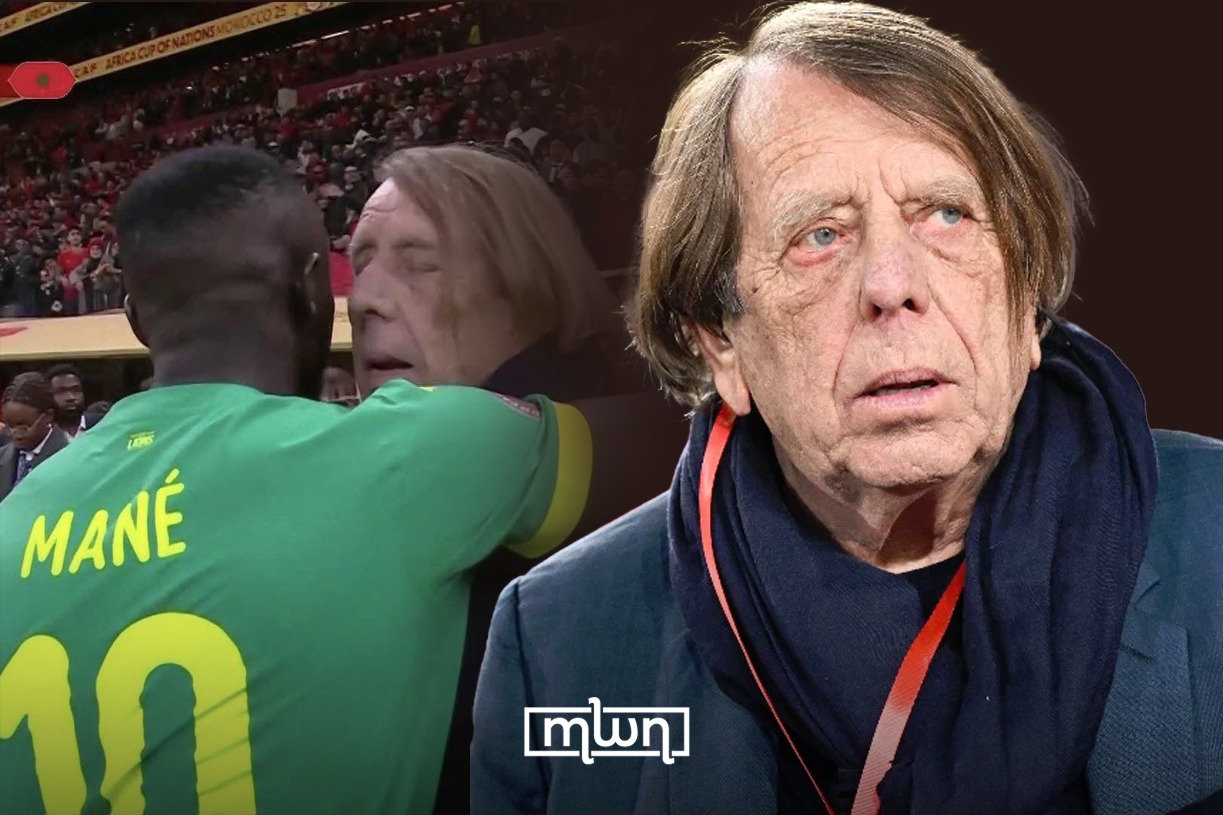
Marrakech – The 2025 AFCON final erupted into chaos when Senegal’s squad abandoned the pitch following Morocco’s stone-cold penalty award in stoppage time. Amid complete breakdown of sporting discipline, veteran tactician Claude Le Roy’s touchline intervention with captain Sadio Mané prevented outright capitulation – but exposed glaring regulatory violations.
The flashpoint came in the 90th minute when referee Jean-Jacques Ndala Ngambo correctly whistled Malick Diouf’s cynical foul on Brahim Díaz after VAR confirmation. Coach Pape Thiaw orchestrated his side’s shameful mass exodus from Prince Moulay Abdallah Stadium, demonstrating the theatrical petulance that continues plaguing African football’s credibility.
Senegalese players stormed off en masse while Teranga Lions ultras attempted violent pitch invasion, forcing security intervention.
The collective walkout blatantly violated IFAB Law 12 provisions against “deliberately leaving the field of play without referee permission.” CAF Disciplinary Code explicitly sanctions such conduct, listing “leaving the field without prior permission” as a punishable and sanctionable offense.
More damaging still, CAF competition regulations stipulate any team that “refuses to play or leaves the ground without the referee’s permission” shall be “considered loser and eliminated.” Senegal’s mass exodus technically warranted immediate disqualification, sparing them only through Mané’s decisive leadership intervention.
Regarding field protection protocols, the supporter invasion breached CAF Safety & Security Regulations mandating that playing areas remain “protected against the intrusion of spectators.”
During the manufactured mayhem and engineered pandemonium, isolated captain Mané sought guidance from Le Roy, positioned pitchside as Canal+ Afrique pundit. The 77-year-old French technician – architect of nine AFCON campaigns across six nations – has commanded unrivaled continental credibility.
Read also: Inside the Talk Between Sadio Mané, Claude Le Roy That Salvaged Senegal’s AFCON Finale
“Sadio was really hesitating, wondering what to do,” Le Roy revealed to Le Parisien. “I told him it wasn’t possible to finish like that. Everyone had left, the Senegalese staff too. They have a young coach, Pape Thiaw, who never experienced an AFCON as a manager.”
Le Roy expanded on the crucial exchange to France Info: “Sadio came to me and said: ‘What would you do?’ I replied: ‘In your place, I would go get my teammates and bring them back to finish the match, because you’re still at 0-0, a penalty isn’t necessarily a goal, and the most important thing is that everything ends properly.’”
The veteran tactician stressed protecting Senegal’s future: “I was thinking very quickly about everything, telling myself they would face terrible sanctions if they didn’t finish the match. We had to protect the future of Senegalese football as well.”
Mané consulted former internationals Mamadou Niang and El-Hadji Diouf before sprinting toward the locker rooms, dragging reluctant teammates back onto the turf. His leadership prevented catastrophic forfeiture.
However, Le Roy’s pitch presence constituted serious regulatory breach. IFAB Law 3.7 governing “Extra persons on the field of play” classifies anyone unlisted on official team sheets as “outside agents.” Regulations mandate referees “have the person removed when play stops” with “appropriate disciplinary action.”
View this post on Instagram
Footage captured CAF officials attempting to remove Le Roy during his consultation with Mané, confirming unauthorized field access and the irregular nature of the intervention. Only accredited match officials and team personnel are permitted in technical areas or on the pitch during matches.
Media consultants are strictly prohibited from entering the field unless explicitly authorized by match commissioners or referees for exceptional circumstances. CAF regulations reinforce this prohibition, explicitly banning playing areas entry without referee permission during any disruptions. This applies regardless of whether play is active or suspended.
In such a case, authority became displaced from officials to informal actors, undermining the established chain of command when governance protocols demanded strictest adherence.
Morocco boss Walid Regragui later approached Le Roy asking: “What did you tell them?” When informed about the restart advice, Regragui acknowledged the intervention’s sporting merit. “When the Senegalese returned, Moroccan players told me, ‘Well done, Claude!’ They were happy we resumed,” Le Roy disclosed.
The bizarre sequence continued when Díaz’s audacious panenka attempt backfired spectacularly. Goalkeeper Édouard Mendy collected the tame effort before Pape Gueye’s extra-time strike delivered Senegal’s second continental crown.
Post-match, Moroccan staff members jokingly blamed Le Roy, jesting: “In the end, you made us lose.” The Atlas Lions conducted themselves with exemplary sportsmanship throughout the debacle, maintaining professional standards while their opposing team and fans descended into juvenile theatrics.
Senegal’s disgraceful conduct exposed fundamental disciplinary failures within African football governance. Young coach Thiaw’s inexperience showed when emotional control mattered most. The squad’s collective breakdown demonstrated how quickly continental showpieces can deteriorate without proper leadership.
From a casual observer’s point of view, Le Roy’s move may be heralded as the moral clarity that the match so desperately lacked in that moment.
However, while ultimately preserving the finale’s completion, the unauthorized nature of the intervention laid bare systematic regulatory breakdowns plaguing CAF competitions when institutional authority faces its sternest examination.


