
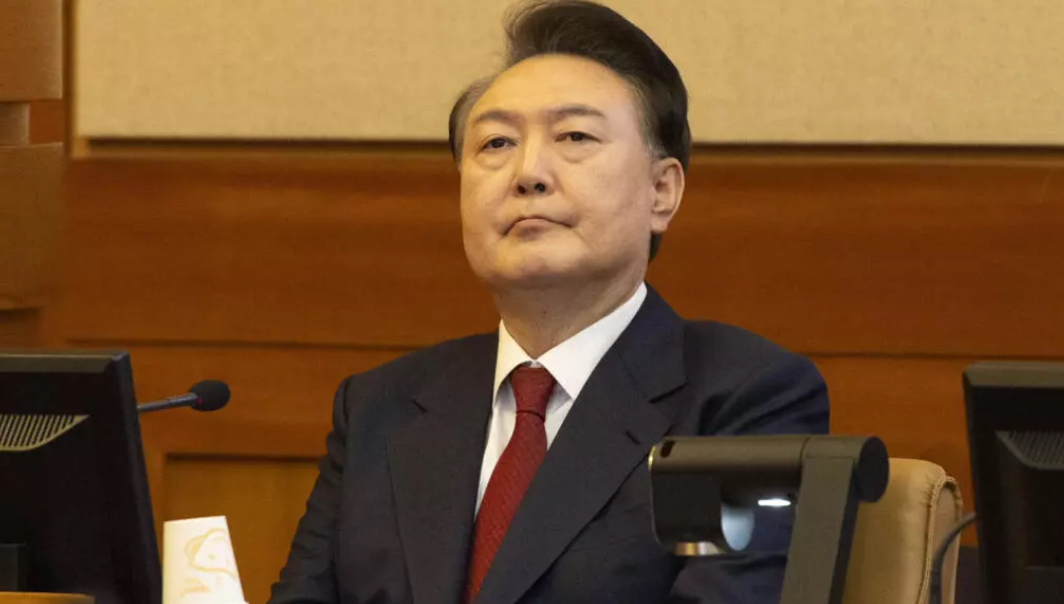
Rabat – A court in South Korea handed former president Yoon Suk Yeol a life sentence today, convicting him of leading an insurrection tied to his short-lived declaration of martial law in December 2024.
The judgment closes a dramatic chapter in the country’s political history and delivers one of the harshest penalties ever imposed on a former South Korean head of state.
Prosecutors had pushed for the death penalty, a punishment that remains on the books but has not been carried out since 1997
A president in the dock
The court found that Yoon conspired with then defence minister Kim Yong-hyun to send armed troops to the National Assembly in a bid to disable lawmakers and arrest key political figures.
The judge said the use of military force against parliament struck at the heart of constitutional order. The panel concluded that the former president’s actions amounted to insurrection under South Korean law.
Kim received a 30-year sentence. Several former senior police officials also face lengthy prison terms.
Six hours that shook a nation
Yoon’s declaration of martial law on Dec. 3, 2024 lasted about six hours. Lawmakers forced their way into parliament despite a military presence and voted down the decree. Crowds filled the streets in protest, many with memories of the country’s authoritarian past still fresh.
The confrontation tested the resilience of one of Asia’s most established democracies. Markets wavered. Political tensions deepened. Families and workplaces split over the crisis.
Yoon insisted that he acted within presidential authority and sought to alert the public to what he called obstruction by opposition parties.
His legal team now weighs an appeal, and lawyers for Kim have confirmed plans to challenge the ruling.
Prosecutors have not ruled out their own appeal, despite their earlier request for capital punishment.
Outside the courthouse, several hundred supporters of Yoon gathered with banners and chants that called for his release.
Yoon remains in detention in Seoul and can appeal to higher courts, including the Supreme Court. Judicial guidelines suggest that appeals should conclude within two years, though complex cases often stretch beyond that timeline.
The former president also contests a separate five-year sentence imposed in January over charges related to obstruction of his arrest after the martial law decree.