
 Join on WhatsApp
 Join on Telegram
Rabat – Morocco’s General Delegation for Prison Administration and Reintegration (DGAPR) announced that inmates across the country will have the opportunity to receive food baskets from their families during Eid Al Fitr.
In a statement, the administration said the initiative will start on the second day of Eid and will take place one time only, and according to a special timetable set by each prison facility.
Authorities explained that religious holidays remain an exception to the general ban on food baskets, as such occasions carry emotional significance for inmates and help preserve ties with relatives outside prison walls.
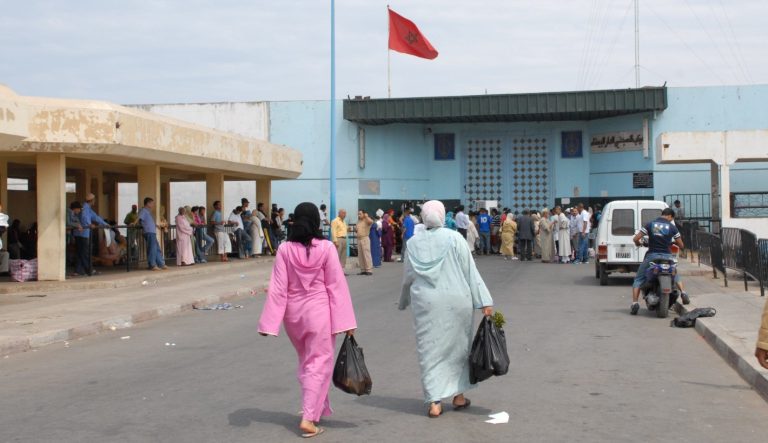
Family members authorized to visit inmates may bring the baskets during scheduled visits. For foreign prisoners, diplomatic or consular representatives may also provide them during official visits.
Prison authorities said inmates will receive assistance to contact relatives in advance so families can learn about the required conditions and the types of items allowed in the baskets.
The administration also called on families to cooperate fully and respect the rules set for the operation. Officials warned against any attempt to introduce prohibited items that could threaten the safety of inmates, staff, or visitors.
Authorities said they will take immediate legal action, including notifying public prosecutors, in the event of violations.
Alongside the initiative, the prison administration prepared a special Eid meal plan for inmates in all correctional institutions. Officials said the program seeks to reflect the spirit of the religious holiday and offer prisoners a moment of comfort during the celebration.
Eid Al Fitr is one of the most important religious celebrations in the Islamic calendar, marking the end of Ramadan, the holy month of fasting.
It is a time of spiritual reflection, prayer, and family gatherings, when Muslims give thanks, strengthen bonds with relatives, and show generosity through acts of charity and gift-giving.
Traditionally, the day begins with a special prayer at mosques or open spaces, followed by feasts and social visits. Food plays a central role in the celebration, symbolizing abundance and community, while the occasion fosters joy, reconciliation, and a renewed sense of connection among families and friends.