
Rabat – A new report from the American Hotel and Lodging Association (AHLA) suggests that hotels in US host cities are seeing slower‑than‑expected bookings for the 2026 World Cup.
The survey, released Monday, shows that nearly 80 percent of hotel operators in the 11 American host cities say reservations are tracking below forecasts.
The AHLA gathered responses from 205 hotel owners and operators, many with properties across multiple host markets.
The majority reported “soft performance” compared to their own expectations.
Cities such as San Francisco, Seattle, Philadelphia, and Boston were among the hardest hit, with more than 70 percent of hotels saying bookings are below pace. Los Angeles, New York, Houston, and Dallas also reported weaker demand.
Miami and Atlanta offered slightly better outlooks, though even there, about half of the hotels said reservations were lagging.
The association warned that the anticipated economic boost from the World Cup may not reach the levels promised.
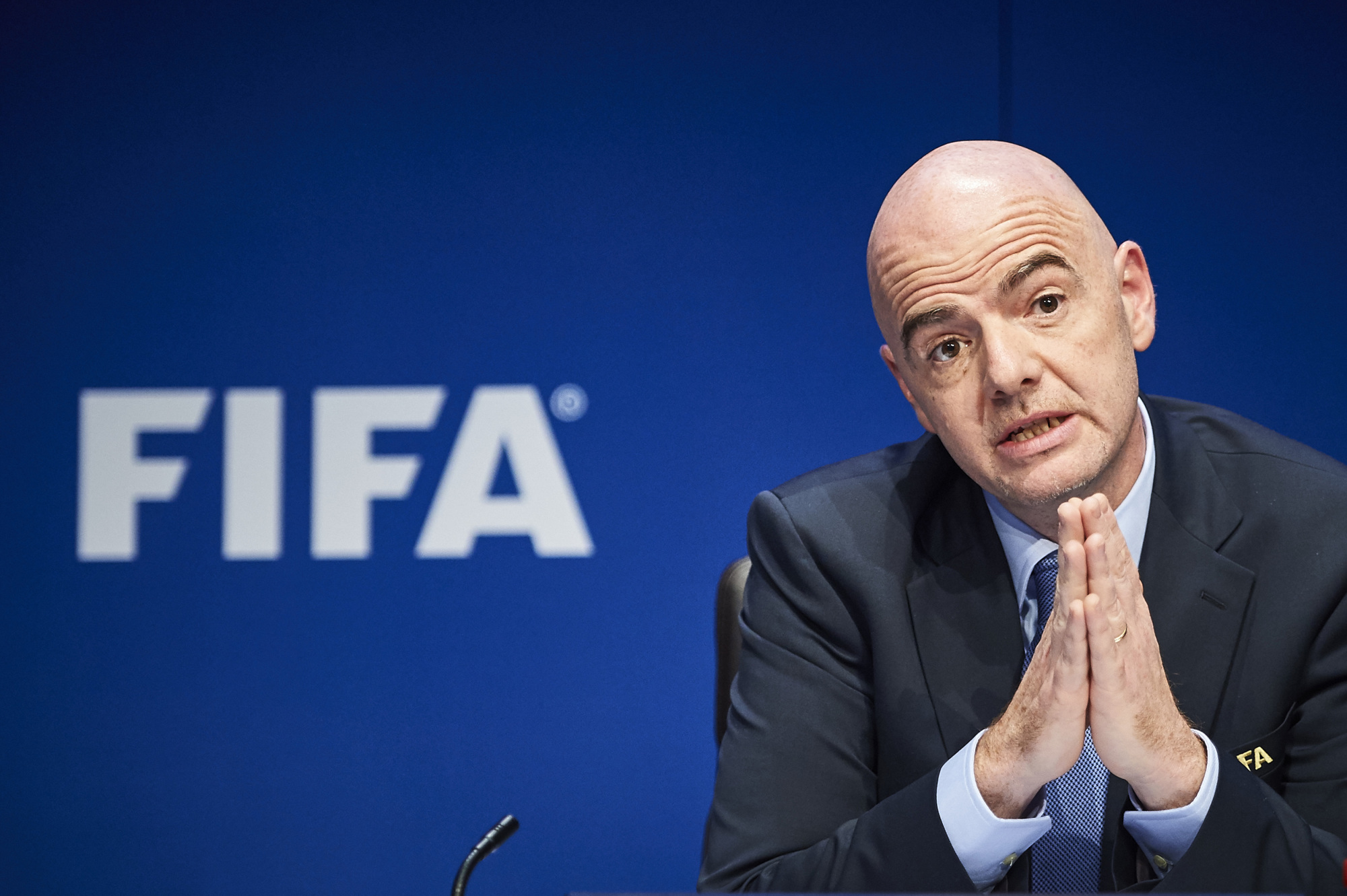
FIFA president Gianni Infantino has repeatedly claimed the tournament will generate $30 billion in economic impact, but much of that projection depends on international visitors filling hotels.
Some hotels are now pausing investments in World Cup‑related promotions and renovations due to uncertainty.
The AHLA also cautioned that weaker bookings could reduce tax revenue for host cities.
Organizers in Kansas City disputed the gloomy outlook, pointing to embassies from Argentina, Ecuador, the Netherlands, Curaçao, Austria, and Canada sending consular teams to the city in anticipation of traveling fans.
They also highlighted rising demand for short‑term rentals and said domestic travelers are booking later than expected.
Visit KC, the city’s tourism office, acknowledged that demand is building but stressed it is “domestic‑led” rather than international.
Visa and travel barriers
The AHLA report cited visa difficulties and geopolitical concerns as key factors limiting international demand.
Some countries competing in the World Cup face U.S. travel bans, while citizens of others must pay large bond deposits to secure tourist visas.
The FIFA Priority Appointment Scheduling System (FIFA PASS), designed to speed visa interviews, has seen limited use.
Only about 14,000 people have applied through the program, despite FIFA claiming more than five million tickets have been sold.
Hotels themselves may have contributed to the slowdown. Prices surged after the World Cup draw, with average rates in host cities rising more than 300 percent compared to normal stays.
Many of those prices have since dropped by over 40 percent.
The AHLA also criticized FIFA for canceling large blocks of reserved rooms in several cities, including Boston, Dallas, Los Angeles, Philadelphia, and Seattle.
The cancellations, sometimes exceeding 70 percent of contracted inventory, disrupted hotel planning and revenue forecasts.
FIFA rejected claims of poor communication, saying all room releases were handled according to agreements and often earlier than deadlines.
A spokesperson insisted global demand for the tournament is “unprecedented” and pointed to more than five million tickets already sold.