
Agadir – The African Development Bank (AfDB) projects Morocco’s economic growth to moderate slightly to 4.2% in 2026 and 4.3% in 2027.
This result follows a strong performance in 2025, when economic activity accelerated to 4.7%, supported by domestic demand and recovery across key sectors, including agriculture, manufacturing, construction, and tourism.
According to the latest African Economic Outlook report, AfDB macroeconomic projections suggest that household consumption and infrastructure investment are expected to remain the key engines of growth, while agriculture, manufacturing, construction, and tourism will continue leading economic activity.
Inflation is set to remain contained, although it is expected to rise moderately compared to 2025 levels. The outlook indicates inflation reaching 2.4% in 2026 and 2.3% in 2027
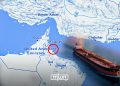
The report warned that Morocco remains exposed to several downside risks, particularly geopolitical tensions in the Middle East and climate-related uncertainties.
“The outlook remains vulnerable to downside risks as the escalation of the Middle East conflict drives up energy prices and to weather-related uncertainties affecting agriculture,” the report stated.
To mitigate these risks, the AfDB recommended proactive climate risk management, trade diversification, and sustained investment efforts.
AfDB also recalled Morocco’s efforts to strengthen development financing through tax reform, the investment charter, and innovative financing mechanisms.
However, tighter global financial conditions continue to create pressure, with the average cost of external public debt increasing by 70 basis points to 3.9% in 2024.
The AfDB noted that Morocco could further scale financing by expanding public-private partnerships, strengthening fintech ecosystems, and channeling remittances from the Moroccan diaspora into productive investments.
The report also pointed to Morocco’s relatively advanced financial system, with market capitalization reaching 47.1% of GDP in 2024 and continued access to international financial markets.
Still, it noted structural challenges, including the banking sector’s dominance and the limited number of publicly traded companies.
“Strengthening regional integration and financial interconnectivity offers Morocco the potential for financial cooperation,” the report said, citing the role of pan-African banking groups and Casablanca Finance City in attracting additional funding.
In the medium and long term, the AfDB recommended deepening financial markets, diversifying financial instruments, especially green finance, broadening the tax base, and improving support for small and medium-sized enterprises through investment incentives and better access to financing.