 Join on WhatsApp
 Join on Telegram
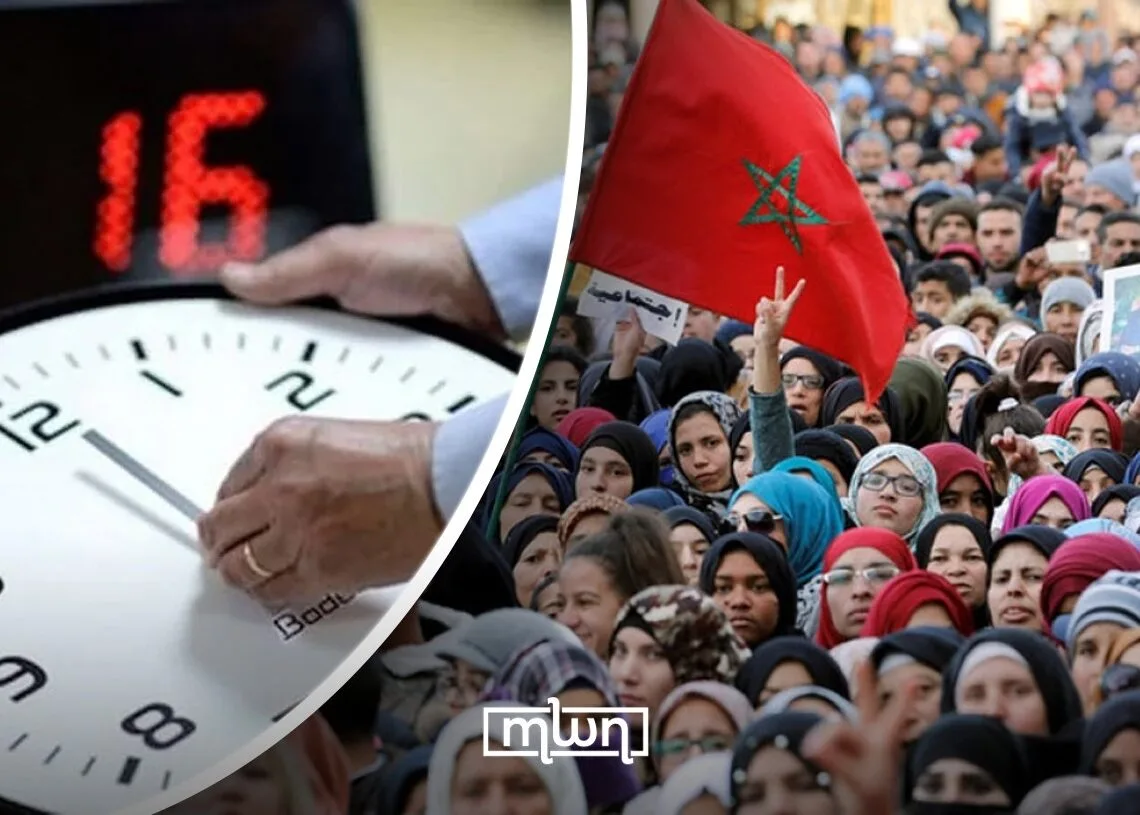
Rabat – Head of Government Aziz Akhannouch announced that Morocco will return to GMT at the end of the summer. This means Morocco will officially abolish GMT+1.
Akhannouch made his remarks today to the national press following a government council meeting. He said the decision came in response to citizens’ demands and discussions held within the governing coalition.
He said the daylight-saving time system created several challenges for many citizens, stating his government decided to respond to demands by returning to Morocco’s legal time, or GMT.
The decision followed an assessment of the impacts associated with GMT+1, taking into account the observations and concerns expressed over the past years.
Akhannouch’s remarks came amid ongoing petitions that have frequently urged the government to abolish GMT+1.
One viral petition secured 344,654 signatories.
“The adoption of daylight saving time in Morocco represents a daily challenge for citizens and affects their quality of life. For many of us, the sudden shift in time leads to ongoing disruptions to our biological clocks,” the petition reads.
The petition also emphasized how GMT+1 affects and negatively impacts the academic, educational, and professional performance of people, in addition to their mental and physical health.
A government council adopted Draft Decree 2.18.855 in 2018, adding 60 minutes to the standard time in Morocco year-round.
Initially, Morocco adopted GMT+1 only during summer before it decided to adopt it year-round. With its decision, Morocco only abolished GMT+1 during Ramadan.
The decision to adopt GMT+1 year-round sparked protests involving hundreds of students across Morocco. Many school students also skipped school and organized marches and sit-ins, both to protest staying on GMT+1 and to call on the government to keep the traditional school timetable.
Akhannouch confirmed earlier this year that he will not run in Morocco’s 2026 legislative election and stepped down as president of the National Rally of Independents (RNI).
However, observers could see Akhannouch’s move as a way to persuade Moroccans to vote for the RNI, although many suspect Fouzi Lekjaa could take the upper hand in government, as many reports emphasize that politicians trust the man who reshaped Morocco’s football and economy to do the job as head of government.