 Join on WhatsApp
 Join on Telegram
Fez– Brands such as Levi’s, Heinz, and Beats have become unlikely winners in the marketing battle surrounding the 2026 FIFA World Cup, despite not being official FIFA partners.
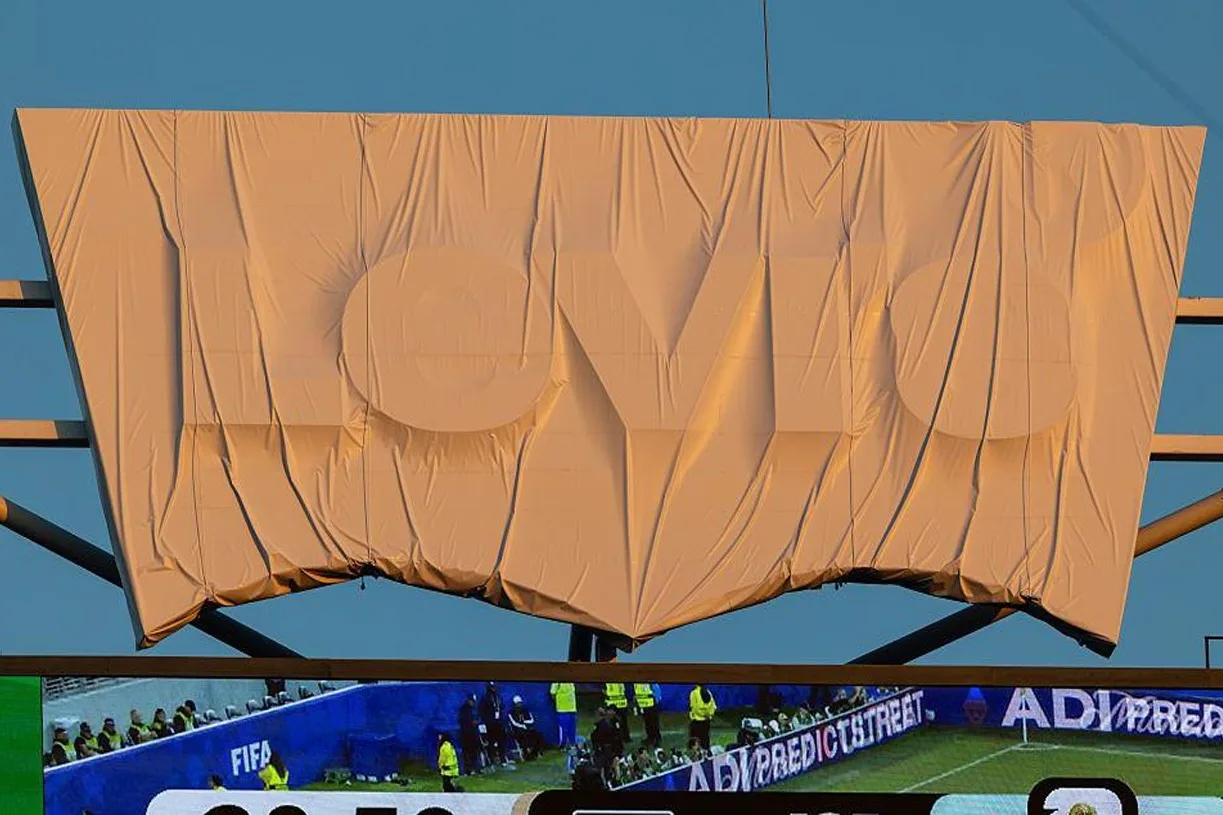
Across several World Cup venues, FIFA has covered or removed branding belonging to companies that are not part of its sponsorship program.
At Levi’s Stadium in San Francisco, for example, the famous Levi’s logo has been hidden beneath a large white covering.
Heinz logos on ketchup bottles inside stadium media areas have also been taped over, while Germany midfielder Jamal Musiala was photographed with tape covering the Beats logo on his headphones before a match.
Instead of reducing their visibility, these actions have sparked widespread discussion online and across the media, bringing the brands even more attention.
The situation reflects what is widely known as the “Streisand Effect,” where attempts to hide or suppress something end up making it more visible.
The term comes from singer Barbra Streisand, whose effort to remove photographs of her home from the internet led to even greater public attention.
FIFA’s actions are intended to protect its official commercial partners rather than target individual companies.
Sponsors invest millions of dollars for exclusive marketing rights during the World Cup, and FIFA works to ensure those benefits are not shared with brands that have not paid for official partnerships.
This strategy is designed to prevent what is known as ambush marketing, where companies try to associate themselves with a major event without becoming official sponsors.
FIFA has long fought this practice. During the 2006 World Cup in Germany, Dutch fans wearing trousers displaying the Bavaria beer logo were reportedly asked to remove them because Budweiser was the tournament’s official beer sponsor.
Similar disputes have occurred at later tournaments involving brands seeking publicity without official sponsorship.
This year’s tournament has produced new examples.
Heinz transformed its taped-over ketchup bottle into a limited-edition product, while Beats shared the image of Musiala’s covered headphones on social media as part of a teaser campaign for an upcoming product.
Levi’s also embraced the attention by using the covered logo as its profile picture on social media, as well as part of a wider advertising campaign in cities including London, Paris, Berlin, Milan, Hong Kong, Brazil and Mexico.
Marketing experts say these companies have successfully turned FIFA’s restrictions into promotional opportunities, generating millions of views and social media interactions without official tournament sponsorship.
However, experts note that unofficial campaigns and official sponsorship serve different purposes.
Brands using ambush marketing may capture public attention during the competition, but official sponsors still benefit from exclusive rights, access to tournament events, hospitality opportunities and a direct association with one of the world’s largest sporting events.
While unofficial brands have dominated conversations during the World Cup, the long-term value of official sponsorship is likely to become clearer after the tournament ends.