
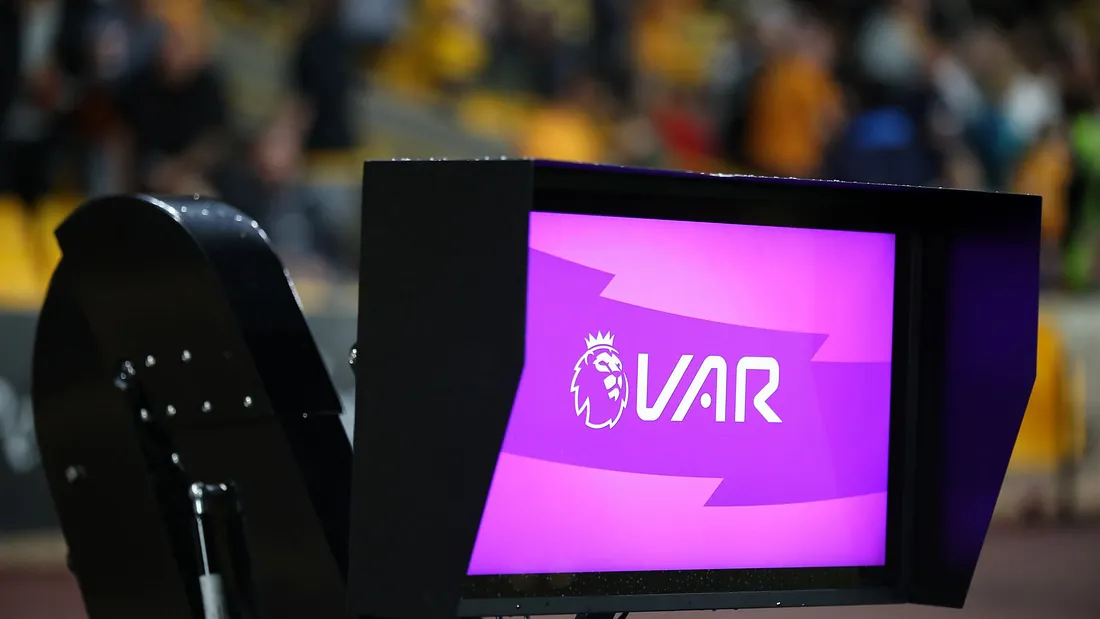
Rabat – The Video Assistant Referee (VAR) was introduced to minimize clear officiating errors, but at the 2026 FIFA World Cup, it has increasingly become one of the tournament’s biggest storylines.
Disallowed goals, overturned penalties, and lengthy reviews have influenced the results of several high-stakes matches, prompting new debate over whether technology is improving fairness or overshadowing the game itself.
As the knockout rounds intensify, players, coaches, and supporters are asking the same question: is VAR correcting football’s biggest mistakes or deciding several of its biggest moments?
AI-powered decisions under the microscope
VAR has played a key role throughout the competition and continues to shape modern football. Many goals have been disallowed following AI-assisted reviews, while penalties have been awarded or overturned after video intervention. These decisions have influenced the course of knockout matches, affecting qualification and elimination, and have made officiating almost as debated as the game itself.
Germany’s Round of 32 defeat to Paraguay became one of the most debated moments of the tournament. Jonathan appeared to score a late winner in extra time, but VAR ruled out the goal for a foul on goalkeeper Orlando Gill during the buildup. Germany later lost on penalties, which left players and pundits questioning the interpretation of the law. FIFA later clarified that referees had been instructed to penalize any illegal contact that prevents a goalkeeper from playing the ball.
FIFA’s head of refereeing, Pierluigi Collina, defended both the decision and the overall approach to officiating during the competition. “It should come as no surprise,” Collina said, adding that referees simply applied the guidance issued before the World Cup. He also argued that VAR helps officials reach accurate decisions rather than create new controversies.
Portugal’s dramatic win over Croatia opened another round of debate. Croatia believed they had found a stoppage-time equalizer, but the goal was ruled out after connected ball technology detected the slightest touch from an offside teammate just before the finish. Portugal coach Roberto Martinez supported the decision, stating, “The ball now has a chip, and it’s very clear, and that’s why VAR intervened.”
Zlatko Dalić’s opposite perspective
Croatia coach Zlatko Dalić was far less convinced. “These decisions take the joy out of football,” he said following the loss. Dalić argued that constant reviews remove the emotion that makes the sport unique, a perspective echoed by several fans during the tournament.
The debate no longer centers on whether technology belongs in football. Many coaches accept that VAR helps correct clear errors. The real concern now is consistency. Similar incidents have at times led to different outcomes, which leaves players, managers, and fans unsure of what to expect each time a referee turns to the monitor.