
 Join on WhatsApp
 Join on Telegram
Meknes — The Meknes cohort of ClimateLaunchpad Morocco completed its two-day Regional Bootcamp Tour program on Sunday, preparing participants to advance toward the competition’s next selection and pitching stages.
Held on July 11 and 12 at the Faculty of Letters and Human Sciences at Moulay Ismail University in Meknes, the bootcamp brought together entrepreneurs developing solutions to environmental and economic challenges.
Ahmed Larouz, founder of Women in Cleantech and leader of ClimateLaunchpad Morocco, supervised the organizing team and the delivery of the Meknes program.
Reda Boujliliba, project coordinator for Women in Cleantech, managed coordination with partners, participant support, event logistics, and communication.
“The idea behind this tour is simple: Instead of asking entrepreneurs to come to us, we are bringing the bootcamp to them,” Boujliliba told Morocco World News (MWN).
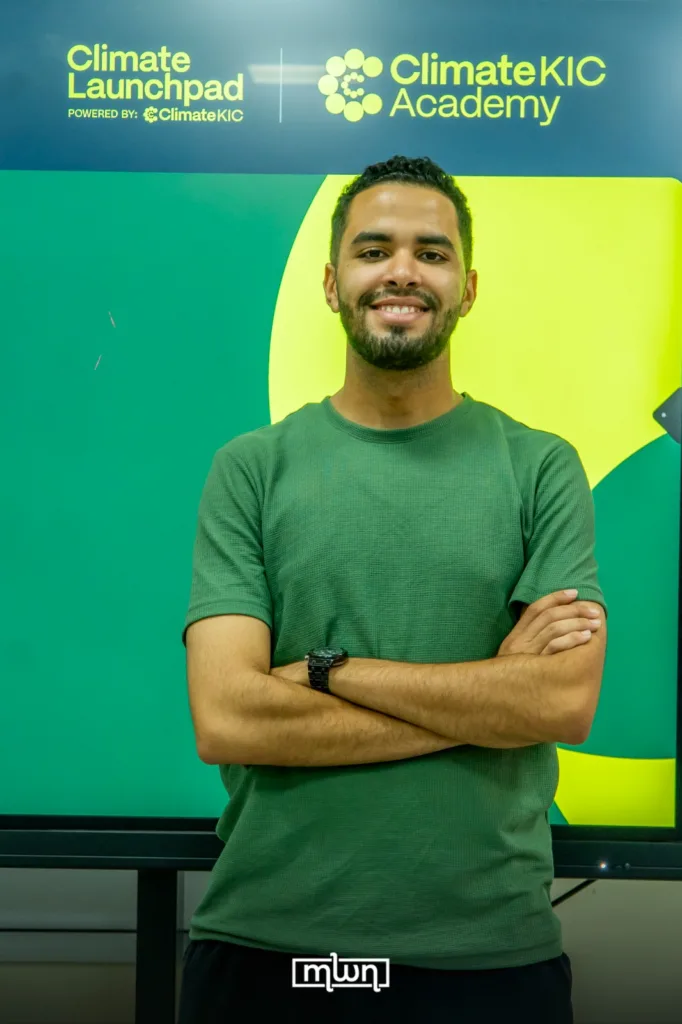
“We want to reach climate innovators across Morocco and make sure opportunities are accessible wherever they are,” he added.
Meknes was the first stop of the regional tour. The program will continue in Errachidia before moving to Agadir, with each two-day bootcamp responding to the climate and entrepreneurship needs of its region.
Preparing businesses for uncertainty
Dutch cleantech expert Ron Bloemers led the second day of training, focusing on finance, accounting, investment, impact measurement, and pitch preparation.
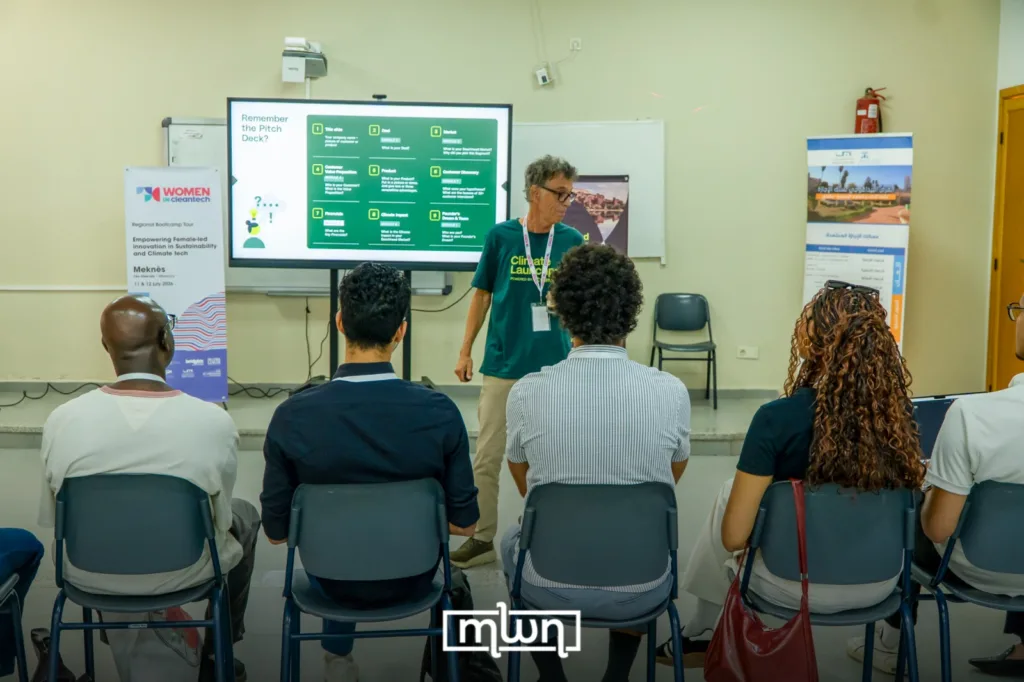
Bloemers introduced participants to the terminology founders need when discussing revenue, expenditure, profitability, cash flow, and financial projections.
The cohort learned to prepare both optimistic and pessimistic scenarios. This approach helps entrepreneurs understand how their businesses may perform under changing market conditions.
The training also examined the opportunities and risks associated with investors. Bloemers distinguished between smart money, which brings expertise and valuable networks, and funding that provides capital without meaningful strategic support.
His direct coaching style encouraged founders to question their assumptions and recognize when a business is progressing or beginning to face difficulties.
Using climate evidence responsibly
Participants also explored how scientific data can strengthen a green business pitch.
Bloemers explained that founders should use climate statistics selectively and connect them directly to the problem their products seek to address.
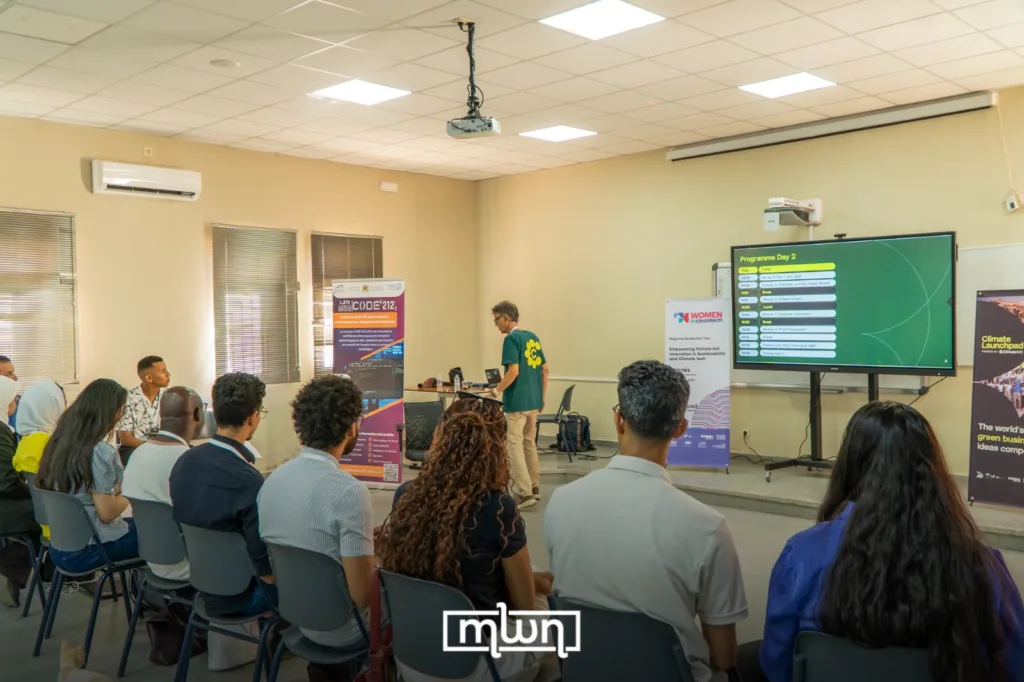
The session emphasized that climate ventures must measure their environmental impact rather than depend on broad claims. Measurements may include water saved, emissions avoided, energy reduced, or plastic waste prevented.
The entrepreneurs completed interactive exercises aimed at improving problem-solving, communication, and their ability to respond to difficult questions.
Bloemers also addressed the human side of business. Participants discussed how to communicate clearly, interpret subtle reactions, and maintain professional relationships with customers, partners, investors, and team members.
SQAIA targets off-grid irrigation
Among the participating ventures was SQAIA System, founded and designed by research and development engineer Oussama Baazzi.
Baazzi described SQAIA as a smart, automated irrigation system designed specifically for farms operating outside conventional power grids.
“SQAIA contributes to a greener economy by using artificial intelligence to reduce water waste and decrease the harmful emissions associated with traditional butane-powered irrigation pumps,” Baazzi told MWN.
He said the venture could also generate local employment by training technicians to install and maintain the system whenever it enters a new region.

“This bootcamp taught me that real green innovation means protecting our most important resources from the beginning,” he said.
Baazzi added that his long-term goal is to build smart but accessible systems for off-grid communities. He also plans to develop a dedicated data bank that can improve irrigation decisions and strengthen the system’s artificial intelligence capabilities.
Moulay Ismail University previously highlighted SQAIA after the project received a jury prize during a regional training and employment competition in 2026.
Giving household greywater a second life
Another participant, Nouhaila Lakhchaf, founder of InovaTech Water, presented a smart household system that collects, treats, and reuses greywater from showers, sinks, and washing machines.
The treated water can then support non-drinking uses such as toilet flushing, garden irrigation, and cleaning. Combining filtration, connected monitoring, and artificial intelligence-based optimization, the project aims to reduce household demand for drinking water and lower water bills. “My mission is to make every home more water-efficient by giving greywater a second life,” Lakhchaf told MWN.
She said the system could help families conserve water while protecting one of Morocco’s most important natural resources. InovaTech Water describes its wider work as using connected technologies and automation to support sustainable water management.
Refining the final pitch
The closing sessions focused on pitch-deck structure, timing, technical preparation, and the practical details that can influence a presentation.
Bloemers shared lessons from decades of experience at international entrepreneurship events. He advised participants to test their equipment, keep backup copies of their presentations, and prepare for internet or device failures.
He also stressed that founders must understand every slide in their decks and communicate their problem, solution, market, finances, and environmental impact without unnecessary complexity.
The official ClimateLaunchpad competition pathway includes bootcamp training, coaching, and opportunities to pitch at national, regional, and global finals.
Certificates and the next stage
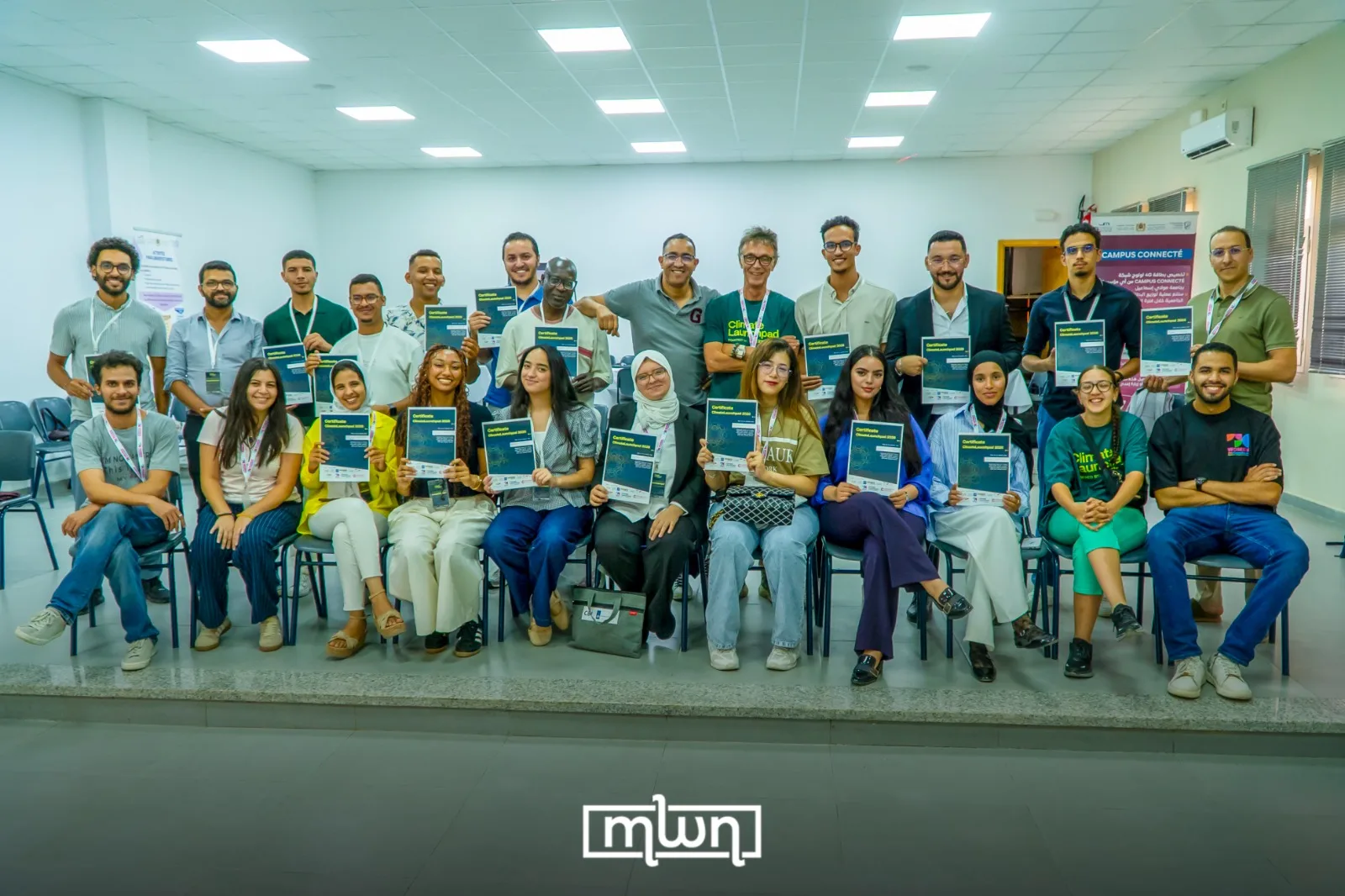
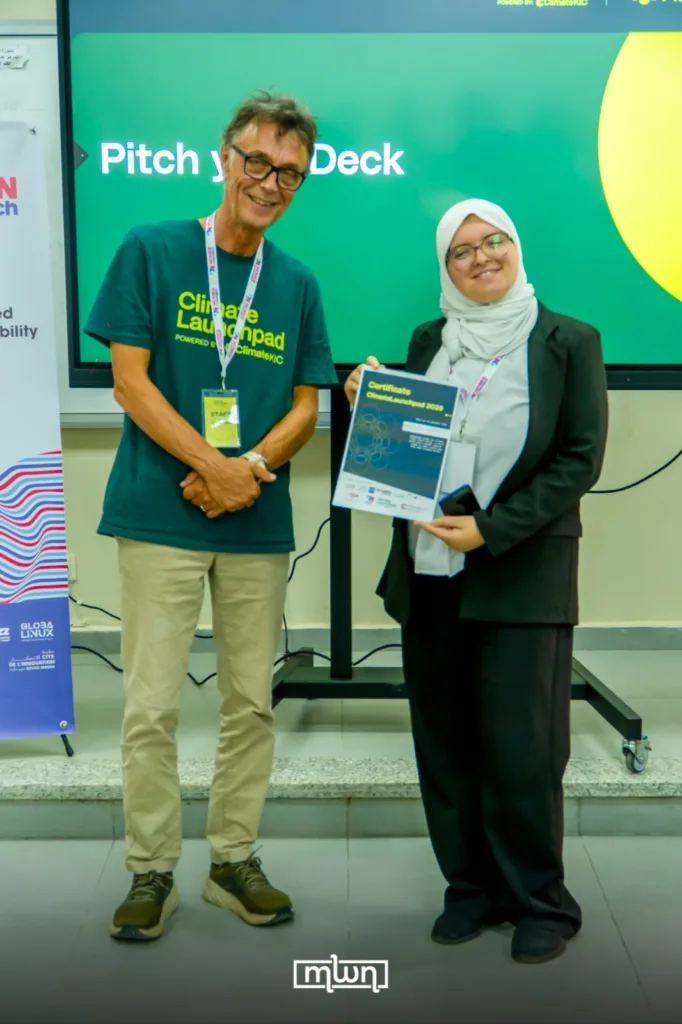
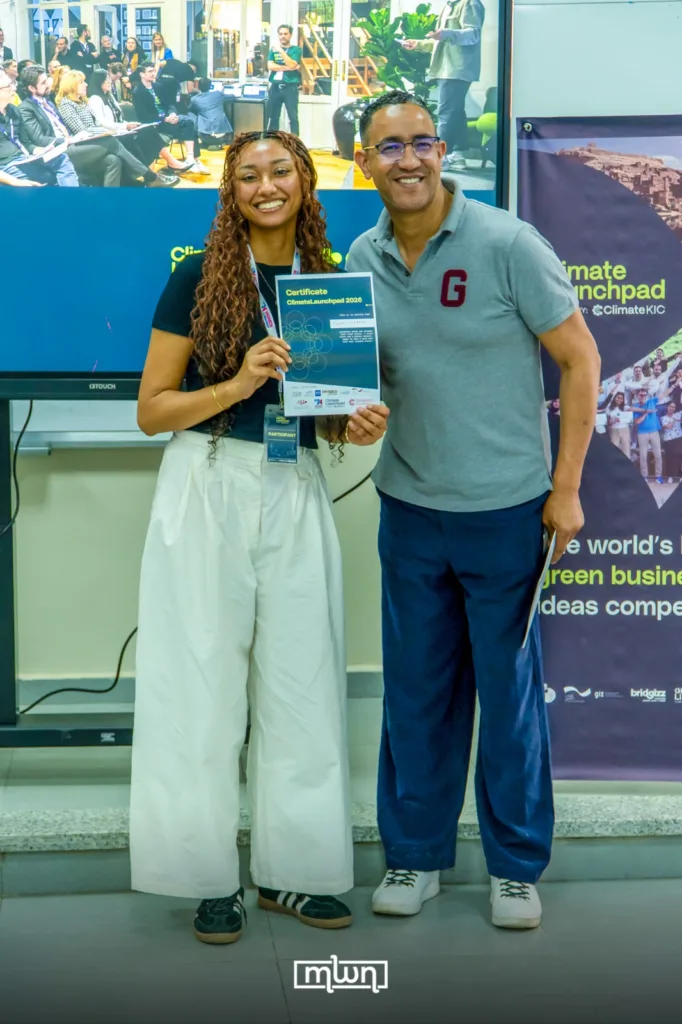
The Meknes participants received certificates recognizing their completion of the intensive two-day program.
They can now continue refining their business models, environmental measurements, financial projections, and pitch decks ahead of the next competitive phase.
Boujliliba thanked GIZ Morocco, Bridgizz, universities, regional investment centers, and local partners for supporting the tour.
“Each region has its own climate challenges, and we are here to help entrepreneurs turn those challenges into innovative business solutions,” he said.
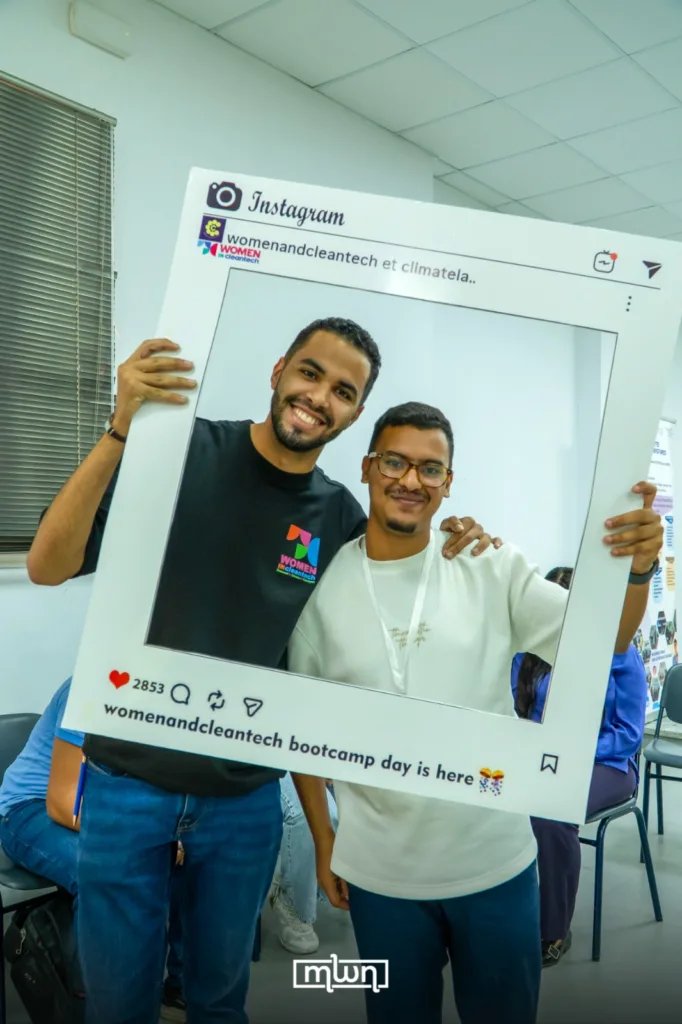
Participants, trainers, and organizers gathered for group photographs to commemorate the conclusion. The images also gave founders professional material for LinkedIn and other networking platforms, which are, undeniably, an important part of doing business these days.
The bootcamp closed in an upbeat atmosphere after two days of demanding exercises, practical guidance, and direct feedback. Its completion marks a first step for the founders who were present in Meknes as they seek to move from promising ideas toward measurable and investable climate ventures.