
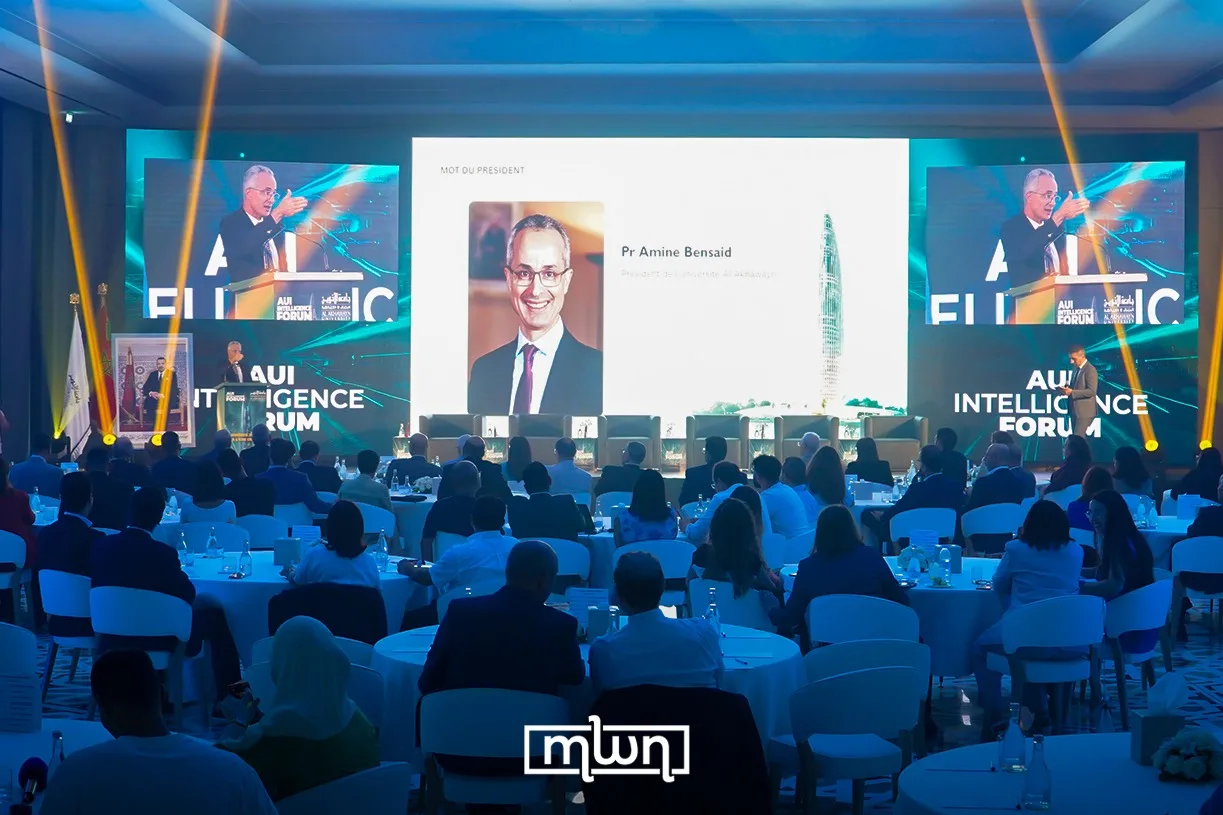
Rabat — As artificial intelligence rapidly transforms workplaces around the world, questions surrounding the future of entry-level jobs, higher education, and workforce development took center stage at the inaugural AUI Intelligence Forum, held Tuesday at the Mohammed VI Tower in Rabat.
Organized by Al Akhawayn University (AUI) under the theme “Junior Careers in the Age of AI: How Can Employers and Young Talent Create Shared Value?”, the event brought together government ministers, university presidents, business leaders, technology executives, and AI experts to examine how Morocco can prepare young professionals for an increasingly AI-driven economy.
The forum sought to launch a national conversation on one of the most pressing questions facing the labor market: as AI automates many of the repetitive tasks traditionally assigned to junior employees, how can universities, employers, and policymakers ensure that young talent continues to find meaningful pathways into the workforce?
Opening the event, Amine Bensaid, president of Al Akhawayn University, stressed that artificial intelligence is no longer a future prospect but a present-day force reshaping industries, redefining professional roles, and accelerating demand for new skills across virtually every sector.
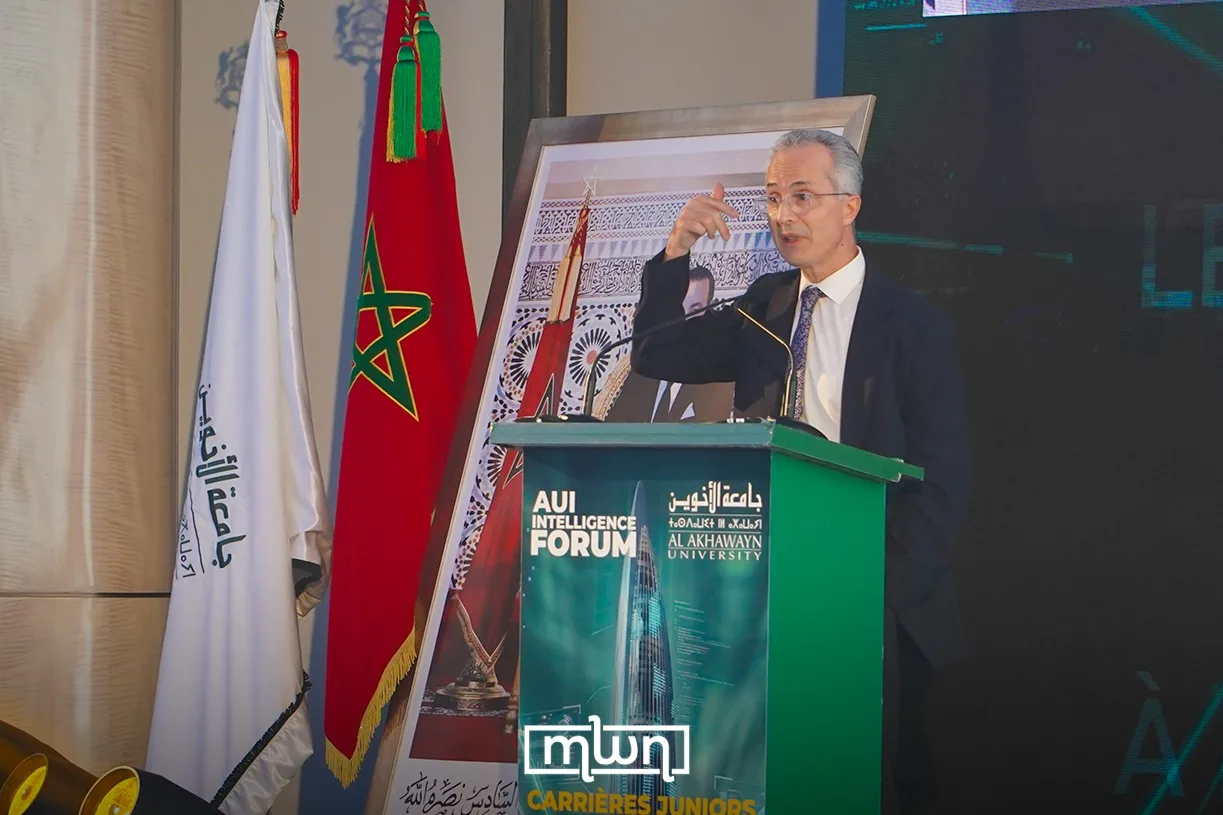
He explained that the university aims to strengthen its educational model by integrating AI, ensuring students develop the skills and practical experience needed to thrive in an AI-driven world. “We should advance with AI so that we cannot be replaced by AI,” the president said.
Unlike traditional conferences built around presentations, the forum was designed as two extended public conversations intended to encourage debate and produce practical recommendations. Organizers said the discussions aim not only to raise awareness but also to generate concrete ideas for adapting education, employment, and public policy to the realities of the AI era.
AI reshapes junior careers
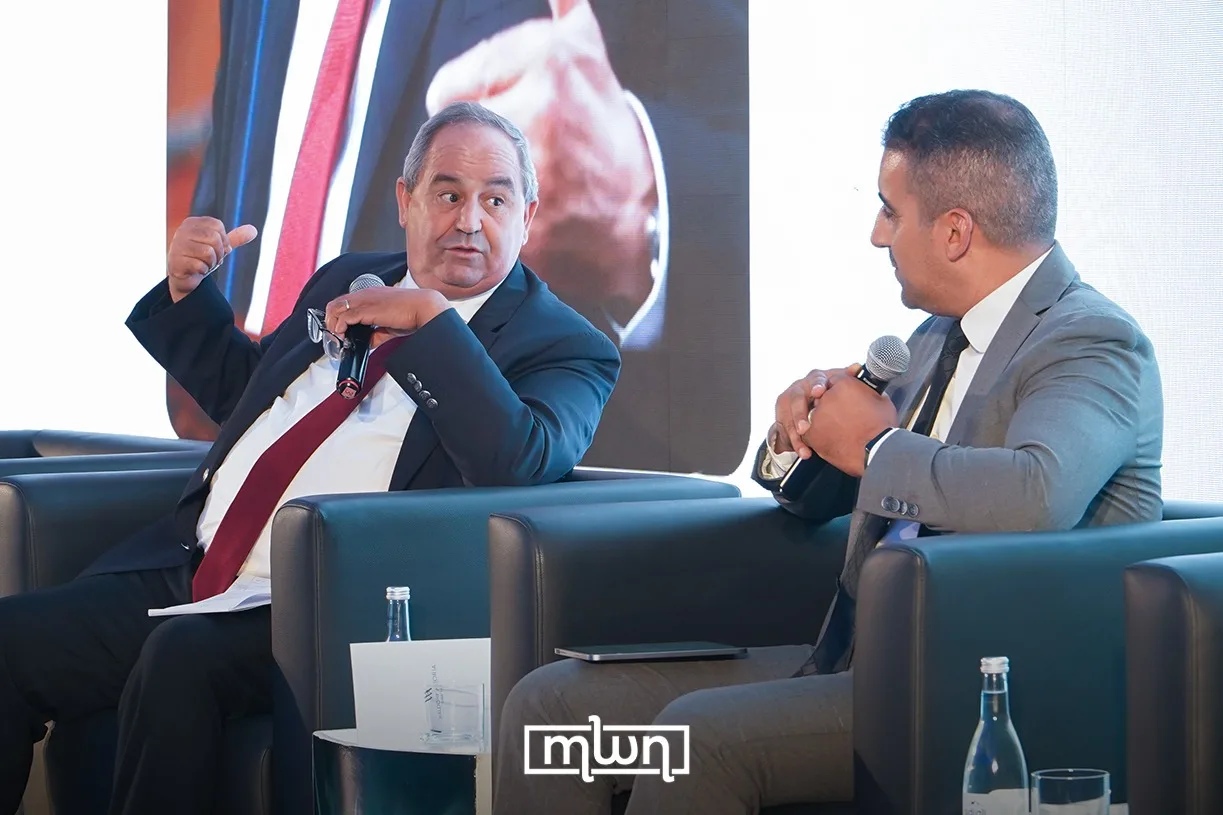
The first panel, “Reinvented/Reinventing Work,” examined AI’s impact on the labor market from the perspective of government and industry.
The discussion featured Wafa Asri, general secretary of MIEPEEC, CGEM Vice President Mehdi Tazi, and HPS Chairman Mohamed Horani.
Panelists explored how artificial intelligence is reshaping professions, leadership, recruitment, and business competitiveness while raising new questions about the value and role of junior employees. They also debated whether AI will eliminate entry-level positions, transform them into higher-value roles, or create entirely new career paths.
Asri said that AI will not replace people, but stressed that young people must adapt to the technology and continue developing their skills to remain competitive.
Speakers agreed that while AI is likely to automate many routine tasks, human qualities such as critical thinking, creativity, adaptability, communication, and ethical judgment will become increasingly valuable.
AI will transform every sector, emphasizing that the conversation should focus on transformation rather than replacement, he argued. However, he insisted, AI will never replace humans but will instead reshape institutions and the way they operate.
Universities Face Pressure to Reinvent Learning for the AI Era
The second discussion – “Reinventing Learning?” – shifted attention to higher education and whether universities must fundamentally rethink how they prepare students for careers increasingly shaped by artificial intelligence.
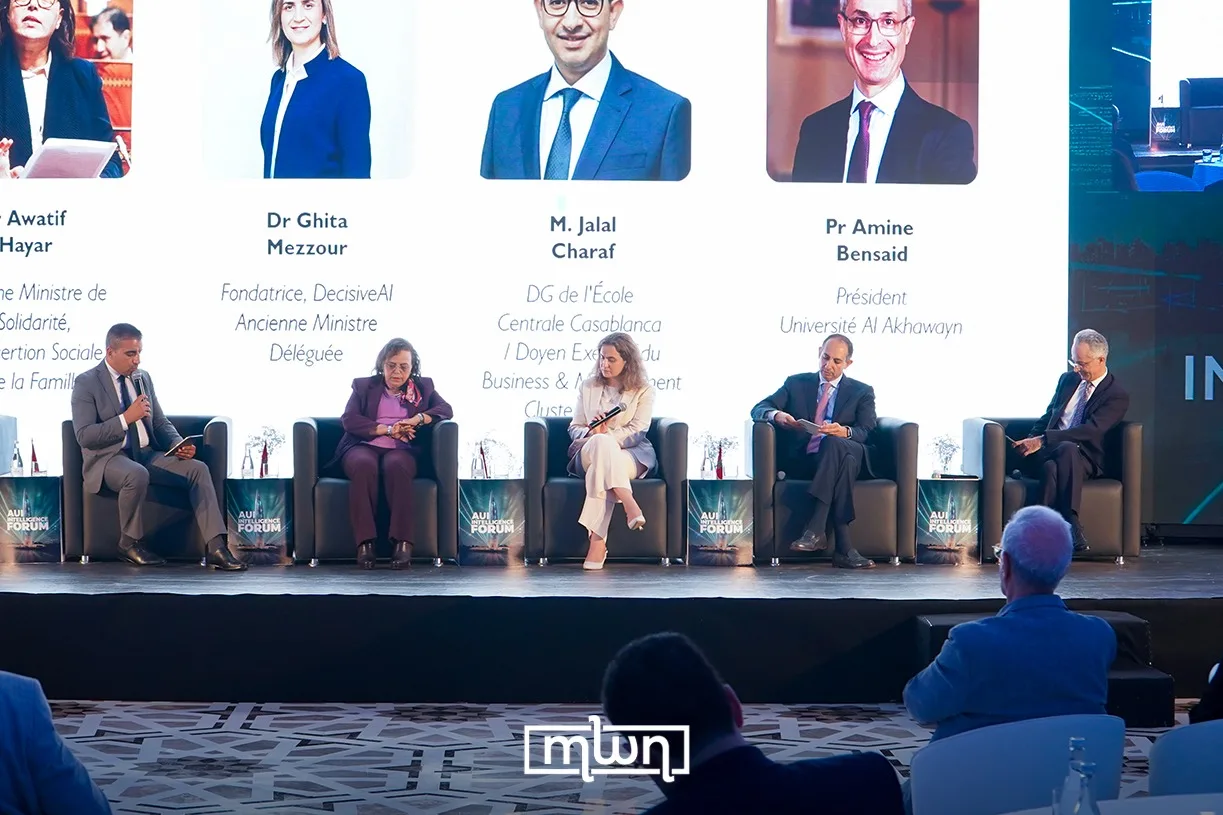
The following panel brought together AUI President Amine Bensaid, Smart Cities Morocco President and former minister Awatif Hayar, DecisiveAI founder and former minister Ghita Mezzour, and Jalal Charaf, Director General of Centrale Casablanca. The panel explored how academic institutions can remain aligned with rapidly changing labor market needs.
Participants discussed whether universities require incremental reforms or more profound reinvention, highlighting the need to modernize curricula, expand interdisciplinary education, strengthen partnerships with employers, and provide students with greater exposure to real-world challenges throughout their studies.
In an interview with Morocco World News (MWN), Amine Bensaid, president of Al Akhawayn University, said artificial intelligence offers immense opportunities but also poses significant risks, underscoring the need for universities to prepare students for an evolving job market.
Speaking on the sidelines of the inaugural AUI Intelligence Forum, he stressed that AI is transforming how work is performed rather than replacing jobs in Morocco, while employers increasingly expect graduates to be proficient in AI.
Bensaid emphasized that AI should augment – not replace – human intelligence, calling for stronger education in critical thinking and other fundamental human skills alongside AI literacy to better prepare students for future careers.
Throughout the afternoon, speakers also considered broader questions facing Morocco, including whether AI could exacerbate graduate unemployment if adaptation is too slow, whether talent shortages could emerge later in professionals’ careers, and what role the state should play in supporting both businesses and educational institutions during the transition.
Stronger University-Industry Collaboration
Jalal Charaf, Director General of Centrale Casablanca, shared his insights at the inaugural AUI Intelligence Forum, emphasizing the need to prepare students for an AI-driven future.
He said universities should strengthen critical thinking, adaptability, and lifelong learning while working closely with industry to ensure education keeps pace with the evolving demands of the labor market.
“The main conclusion that emerged is that we are facing a new technology – perhaps even a new era in our civilization – and we do not yet know exactly where it will lead. What is already clear, however, is that we must prepare our students to face a job market undergoing profound disruption,” he told MWN.
He called for closer collaboration between universities and businesses to shape training programs jointly, anticipate labor market needs, and rethink teaching methods for the AI era.
The forum concluded with a synthesis of the day’s discussions before opening the floor to questions from the media. Organizers said the recommendations emerging from the event are intended to help inform educational models, talent development strategies, and public policy as Morocco positions itself within the rapidly evolving global AI economy.
As artificial intelligence continues to redefine the future of work, the inaugural AUI Intelligence Forum underscored a shared conclusion among participants: preparing the next generation of professionals will require more agile education systems, stronger university-industry partnerships, and a commitment to lifelong learning that keeps pace with technological change.