


 Join on WhatsApp
 Join on Telegram
Agadir – Morocco has emerged as a major automotive production hub, with the Renault Group manufacturing more vehicles in the country than in Spain in 2025.
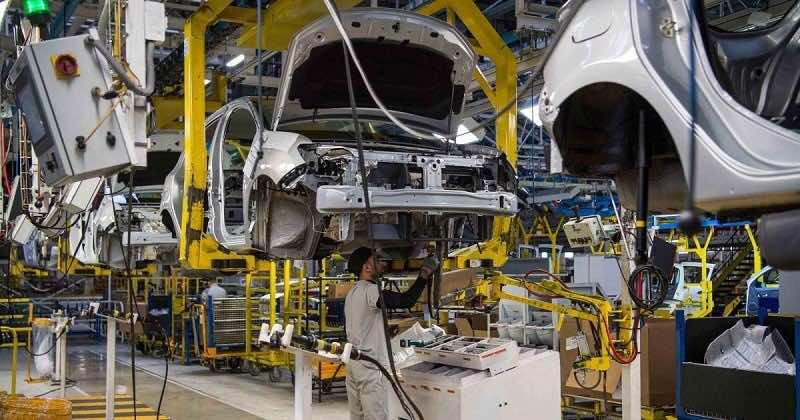
According to figures cited by the Spanish outlet Motor16, Renault’s plants in Tangier and Casablanca assembled 394,000 vehicles in 2025, exceeding the production levels of the group’s Spanish factories.
The increase reinforces Morocco’s status as Renault’s second-largest manufacturing base worldwide, after France, and reflects the rapid expansion of the country’s automotive sector over the past decade.
The growth has been largely supported by the success of popular Dacia models, particularly the Dacia Sandero, one of Europe’s best-selling vehicles. The model is primarily manufactured at Renault’s Tangier plant, alongside other vehicles, including the Dacia Jogger and Dacia Logan.
Morocco’s automotive ecosystem has also attracted other major manufacturers. Stellantis produces models such as the Peugeot 208 and electric vehicles, including the Citroën Ami, Opel Rocks-e, and Fiat Topolino, at its Kenitra facility.
The country’s competitive advantage is attributed to a combination of factors, including lower production costs, geographic proximity to Europe, and developed logistics infrastructure.
Motor16 cited industry estimates showing that labor costs per vehicle in Morocco stand at slightly above €100, compared with around €900 in Spain and more than €1,400 in France.
Morocco’s role in Europe’s automotive transition
The expansion of Moroccan production comes as the European Union debates stricter rules aimed at strengthening local manufacturing and reducing dependence on external supply chains.
The proposed European industrial framework includes requirements for vehicles to meet specific European-content criteria to qualify as “European” products and benefit from certain public incentives, particularly in the electric vehicle sector.
The rules could affect future models such as the upcoming electric version of the Dacia Sandero, expected around 2027-2028. If production remains in Morocco, the vehicle could face challenges in qualifying for some European subsidies despite being developed by a European manufacturer.
European automotive groups have warned that restrictive rules of origin could undermine competitiveness by limiting access to efficient production centers in neighboring countries such as Morocco and Turkiye.
Industry representatives argue that these facilities allow European brands to compete in the affordable vehicle segment, where competition from Chinese manufacturers is intensifying.
Morocco’s automotive sector has transformed from a growing industrial activity into a strategic component of global vehicle production networks. The country hosts major assembly plants, a growing supplier ecosystem, and export-oriented infrastructure connected to European markets.
Read also: How Morocco Became Renault’s Second-Largest Production Hub Worldwide


