 Join on WhatsApp
 Join on Telegram
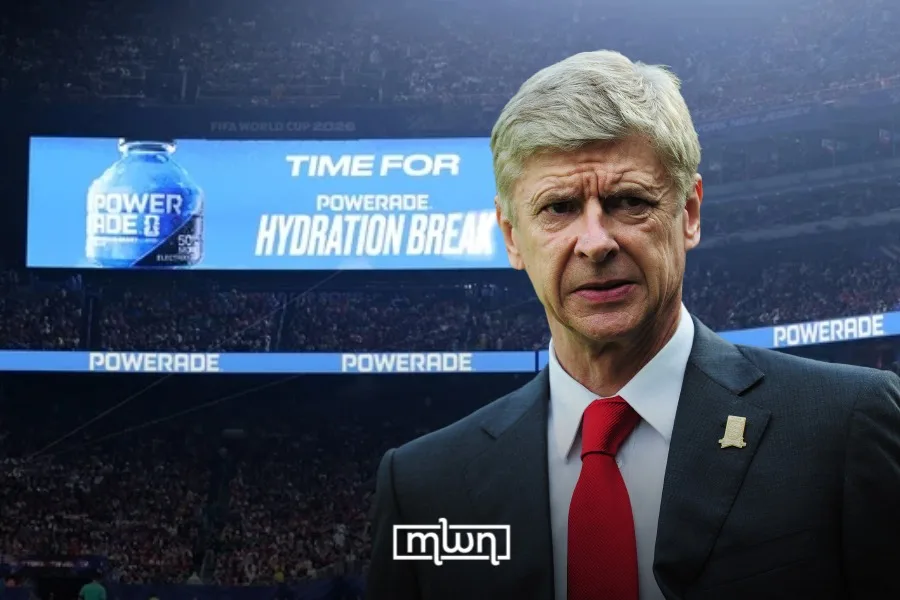
Rabat – FIFA will review the use of mandatory water breaks after the 2026 World Cup, according to Arsène Wenger, the organization’s Chief of Global Football Development.
Speaking at a press conference on the eve of the World Cup final between Spain and Argentina, Wenger admitted that the measure introduced during the tournament had not been welcomed by everyone.
“Sometimes people did not like them, and we have to analyze after the World Cup what impact they had,” Wenger said.
FIFA introduced two three-minute water breaks during every match at the 2026 World Cup, with one break in the middle of each half. The breaks were applied regardless of weather conditions, including matches played in moderate temperatures and inside stadiums with closed roofs.
FIFA said the measure was introduced to protect players’ health and help them recover during matches. However, critics argued that the breaks also created additional opportunities to sell advertising space and generate commercial revenue.
Wenger said he did not believe the water breaks had influenced match results, but stressed that FIFA would assess the measure from the perspective of the fans.
“It does not seem to me that it affected the results of the matches, but we are here to serve the fans who watch football, and we will draw our conclusions after the World Cup,” Wenger said.
He added that the reaction to the breaks had varied throughout the tournament, particularly in matches played inside covered stadiums.
“In many matches, especially in covered stadiums, people were not satisfied with these breaks. But it was decided from the start that they would apply in all matches,” Wenger said.
The issue had already generated debate during the tournament. Spain head coach Luis de la Fuente previously defended the water breaks, describing them as necessary to protect players in difficult conditions.
“It is difficult to maintain this level of physical effort for long periods. I believe these breaks give the players a short opportunity to catch their breath and continue competing at their best,” De la Fuente said.
With FIFA set to evaluate the measure after the tournament, the future of mandatory water breaks remains uncertain. The organization’s assessment could determine whether the breaks become a permanent part of international football or remain a special measure introduced for the 2026 World Cup.