 Join on WhatsApp
 Join on Telegram
Rabat – A new report from Bloomberg suggests Morocco could turn to the US Export-Import Bank (EXIM) and the World Bank to help finance the Nigeria-Morocco gas pipeline.
According to Bloomberg, Moroccan Ambassador Youssef Amrani confirmed that discussions are underway but did not provide further details about the project’s funding.
The report noted that disruptions of Middle East energy flows caused by the conflict in Iran strengthened the case for the pipeline, which would transport African gas to Europe.
Amrani emphasized the importance of the $26 billion (MAD 243 billion) pipeline, describing it as the “most ambitious infrastructure” project in Africa.
Bloomberg also quoted a spokesperson confirming that the US Export-Import Bank, also known as Exim Bank, has engaged in early-stage talks about the gas pipeline, while the World Bank declined to comment.
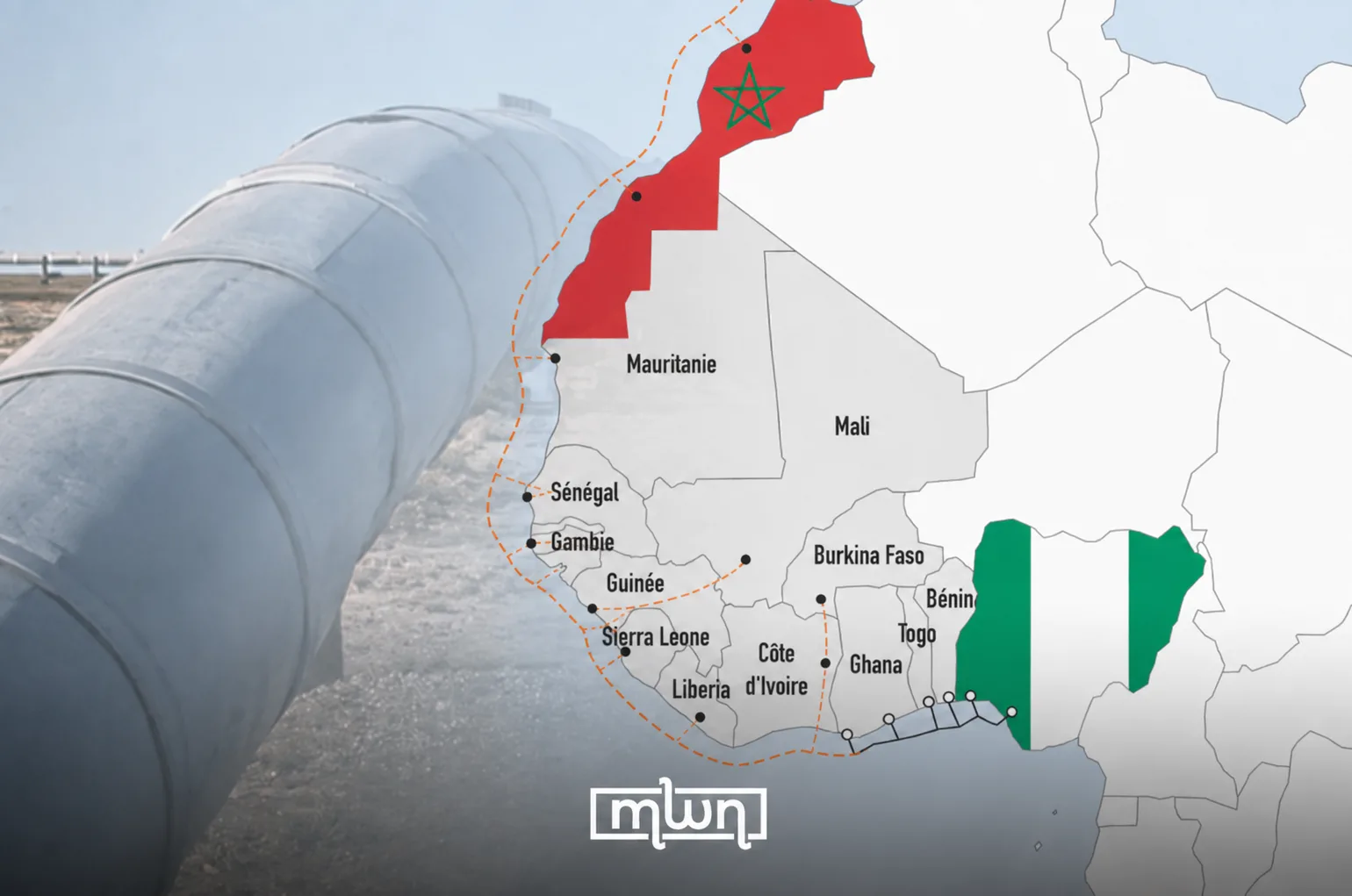
The nearly 6,800-kilometer pipeline will transport natural gas from Nigeria to Morocco before connecting to the European gas network.
July 19 marked a milestone after the Summit of Heads of State and Government of the member countries of the Economic Community of West African States (ECOWAS) hosted the signing of the Intergovernmental Agreement governing the gas pipeline.
Morocco and Nigeria will establish a project company as a joint venture between the Moroccan National Office of Hydrocarbons and Mines (ONHYM) and Nigeria’s National Petroleum Company (NNPC) to oversee the financing and construction phase.
The deal will serve as a framework for the next implementation phase, including the establishment of the project company, which will be headquartered in Casablanca.
Morocco is set to host more than 1,600 kilometers of the pipeline.
King Mohammed VI launched the idea for the pipeline during his visit to Abuja in 2016. The initiative aims to strengthen Morocco’s partnerships with African countries while also enhancing energy sovereignty.
The project has received the endorsement of African leaders. Following the signing of the agreement, ECOWAS Chairman and Sierra Leonean President Julius Maada Bio said: “Do not be surprised when the gas reaches your home.”
The agreement paves the way for the creation of the Pipeline Higher Authority, which will be headquartered in Abuja. The authority will oversee the next implementation phase, including mobilizing investors are preparing the project’s final investment decision.
Amina Benkhadra, Director General of ONHYM, said the gas pipeline will make a lasting contribution to strengthening energy security and accelerating industrialization while supporting the development of Africa’s natural resources.