Rabat – Football has become much more than a sport for Morocco.
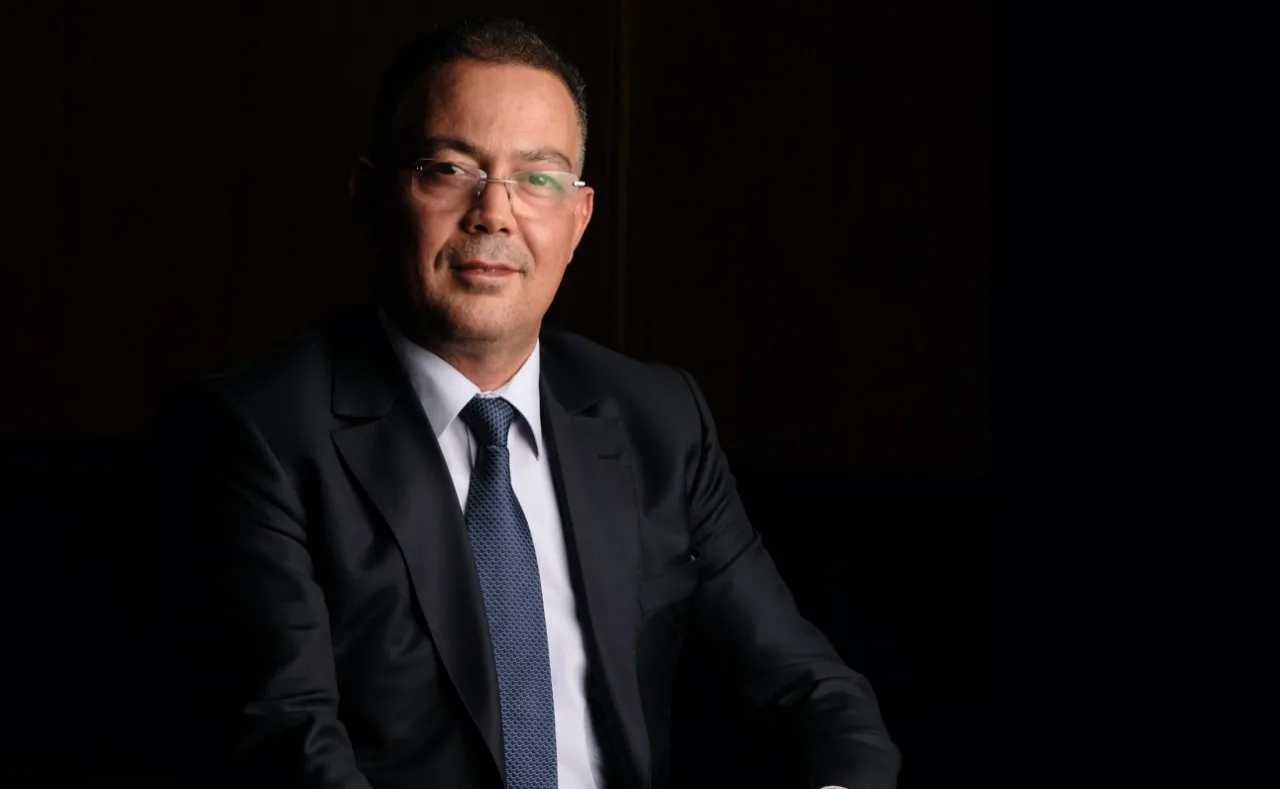
According to Royal Moroccan Football Federation (FRMF) President Fouzi Lekjaa, the country’s growing success on the pitch is also reinforcing its international standing, turning football into one of Morocco’s most effective forms of soft power.
Speaking in the documentary “The Atlas Lions: Dream Bigger” by Onze Mondial, Lekjaa explains that Morocco’s football project extends beyond winning matches. It reflects the Kingdom’s broader ambition to showcase its capabilities, strengthen its global image, and position itself as a leading sporting nation ahead of the 2030 FIFA World Cup.
“Football today is no longer just about sport,” Lekjaa says in the documentary, arguing that success on the field has become a way for nations to project their values, organization, and development to the rest of the world.
For Morocco, that vision has gained momentum following the Atlas Lions’ historic run to the semifinals of the 2022 FIFA World Cup in Qatar. The unprecedented achievement made Morocco the first African and Arab nation to reach the tournament’s final tour, attracting global attention not only to the national team but also to the country’s football model.
The documentary emphasized that the breakthrough transformed Morocco’s reputation in international football, demonstrating that sustained investment and long-term planning can elevate emerging football nations to compete with the world’s traditional powers.
The diplomatic impact
Lekjaa argues that football has become a powerful diplomatic asset, helping Morocco strengthen relationships with partners across Africa and beyond. Through hosting international tournaments, investing in modern infrastructure, and supporting football development on the continent, Morocco has expanded its influence far beyond competitive results.
That ambition is reflected in the North African country’s growing role as a host nation. In recent years, Morocco has staged numerous continental and international competitions while continuing to develop world-class facilities, including the Mohammed VI Football Complex, widely regarded as one of Africa’s leading football training centers.
The documentary also links Morocco’s football strategy to its successful bid to co-host the 2030 FIFA World Cup alongside Spain and Portugal. Rather than viewing the tournament as an end goal, Lekjaa presents it as another milestone in a broader national project aimed at positioning Morocco among the world’s leading football nations.
According to him, the World Cup offers an opportunity to showcase Morocco’s organizational capabilities, infrastructure, and cultural identity to a global audience.
“The objective is not simply to organize a successful tournament,” Lekjaa explains. “It is to leave a lasting legacy for Moroccan football and for future generations.”
Developing the whole industry
The documentary argues that Morocco’s football investments have produced benefits extending beyond elite competition. Improved infrastructure, youth academies, coaching education, and sports governance have strengthened the country’s football ecosystem while increasing its attractiveness as a destination for international events and partnerships.
Lekjaa also emphasizes that Morocco’s football ambitions remain rooted in long-term development rather than short-term achievements. International recognition, he suggests, should motivate continued investment and innovation instead of complacency.
The documentary portrays football as a bridge connecting Morocco with audiences around the world. Every international success, it argues, contributes to promoting the country’s image while reinforcing its reputation as a country capable of delivering excellence on and off the pitch.
As preparations continue for the 2030 FIFA World Cup, Morocco is increasingly positioning football at the center of its international outreach strategy. For Lekjaa, the game’s growing global influence makes it one of the country’s most valuable diplomatic assets.