
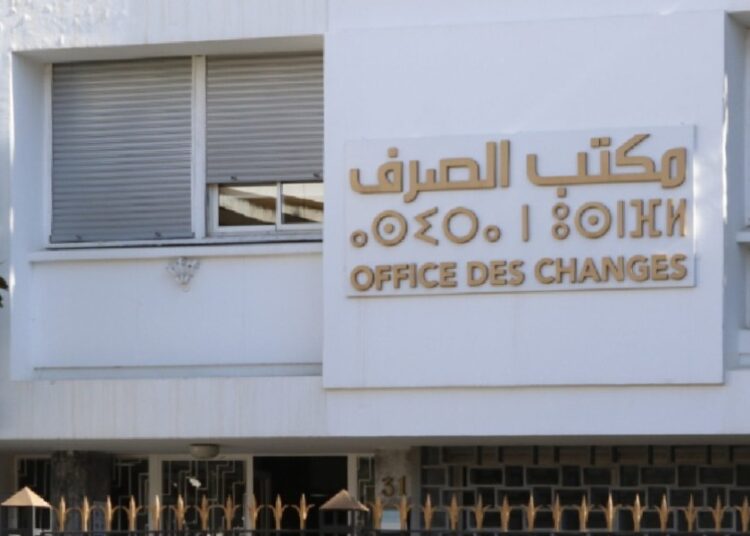
Casablanca – The Exchange Office has published Circular No. 2/2026 setting out new vigilance and internal monitoring obligations for offshore holding companies operating under Morocco’s offshore financial center framework.
Economy and Finance Minister Nadia Fettah signed the circular on July 23, and it entered into force from the date of signature.
The rules apply under Law No. 43-05 on combating money laundering, as amended, and Law No. 58-90 on offshore financial centers.
The Exchange Office said the circular forms part of its role in supervising and controlling offshore holding companies and uses a risk-based approach that takes into account each company’s size, activity and risk level.
Companies must identify and know their clients and beneficial owners, verify the origin and destination of funds, keep client records up to date and monitor transactions based on their risk level.
They must also screen clients and transactions against international sanctions lists and the lists issued by the National Commission responsible for applying UN Security Council sanctions, known as CNASNU.
Each offshore holding company must appoint a compliance officer responsible for managing and monitoring the vigilance system.
Read also: Morocco Tax Deadline Set for September 1 for Several 2026 Obligations
The officer is expected to examine unusual or complex transactions, oversee higher-risk business relationships, keep company managers informed about high-risk clients, and maintain contact with the National Financial Intelligence Authority, or ANRF, and CNASNU.
The circular requires companies to carry out periodic assessments of money laundering and terrorist financing risks linked to their activities. These assessments must consider transactions, client profiles, geographical areas and new technologies.
Risks linked to portfolio management, acquisitions of stakes in Moroccan or foreign companies and related transactions must also be assessed.
Stricter checks apply to politically exposed persons, clients from high-risk countries, complex ownership structures and transactions involving high-risk jurisdictions. Companies must collect additional information, establish the reasons for transactions and obtain information on the source of funds.
When a transaction raises suspicion of money laundering, terrorist financing or a related offense, the company must report it to the ANRF without delay.
Systematic declarations may also be required for certain financial operations under procedures set by the ANRF and the Exchange Office.
Records related to transactions and vigilance measures must be kept for 10 years. The circular also provides for disciplinary or financial sanctions when obligations are breached, while protecting companies and their staff from liability for good faith suspicious activity reports.