Rabat – Spain’s Minister of Inclusion, Elma Saiz, reiterated the Spanish government’s position in backing Morocco’s role in tackling the irregular migration crisis.
Saiz renewed the government’s position in a new interview with Cadena SER, rejecting anti-Moroccan rhetoric, describing Rabat as a threat to Spain.
She described Morocco as a “reliable partner and a neighboring country.”
The minister emphasized that Morocco’s role has been essential to the government’s efforts to find a solution, rejecting claims that Morocco is a threat to the occupied enclave or to Spain.
Saiz also took issue with the shift in PP’s stance against Spain and Morocco’s migratory policy.
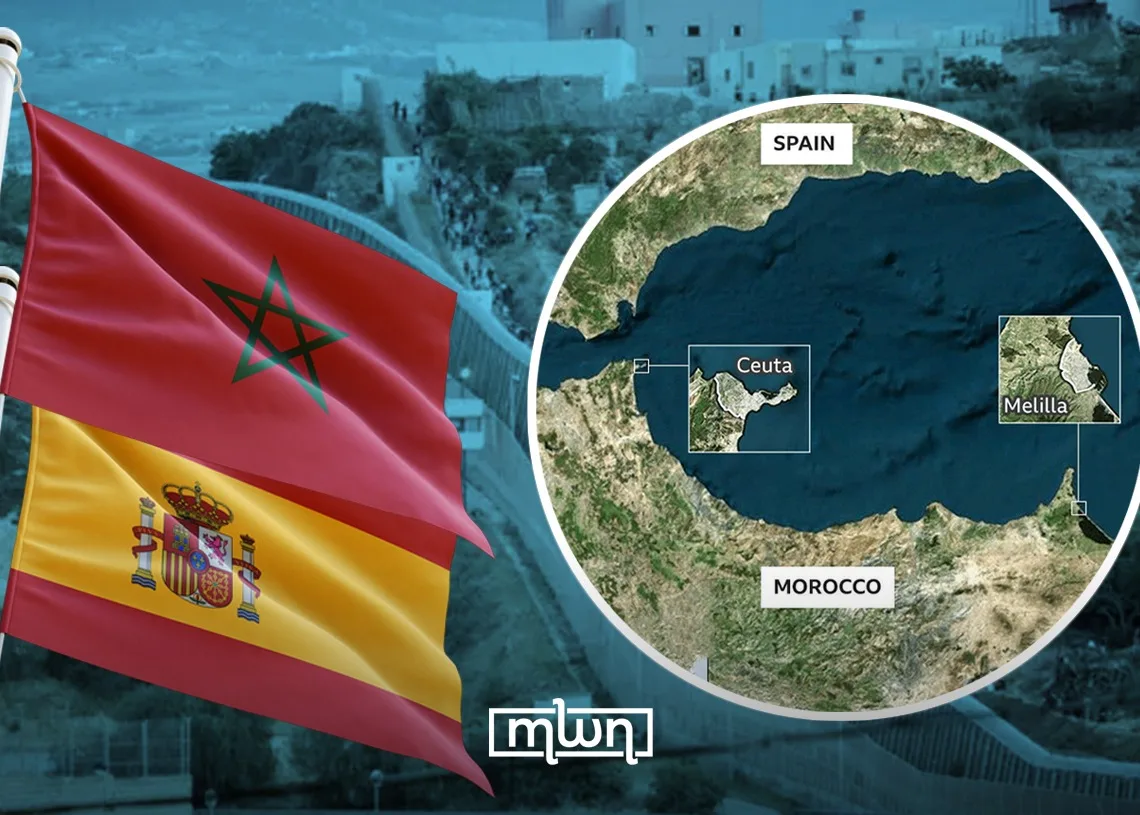
PP has shifted toward adopting a more Vox-like stance, fueling anti-Morocco rhetoric since the Ceuta mass crossings of July 30, when tens of thousands of migrants attempted or crossed to the occupied enclave.
Morocco estimates the number of those who entered the enclave in the mass crossing at 40,000, while Spanish officials and critics alleged the number is between 70,000 and 80,000.
Saiz responded to PP’s accusations, indicating that the party has made a “shift in its migratory discourse.”
She said this stance is driven by its alliance with the far right, referring to Vox.
“Are they coming to cooperate and improve things, or take pictures with agitators? There is a context from Génova that complicates the cooperation between administrations, which is essential,” she said.
She also accused the party of using “inflammatory” language against the government, stating this is not the “attitude of a party of state and with a broad vision.”
Government sources have echoed the same sentiments in remarks to El País. On Monday, Spain reaffirmed its commitment to maintaining good ties and close migratory cooperation through government sources quoted by the news outlet.
“The strategy with Morocco is what allowed more than 70,000 people to leave within a few hours,” El País quoted government sources as saying.
The sources emphasized that it is continuing to investigate what happened at the end of July, but stressed that there is “no evidence Rabat did anything wrong other than allowing migrants to pass for a few hours to prevent further deaths; once control was restored, they prevented thousands of entries … and cooperated in the rapid return of tens of thousands of people.”