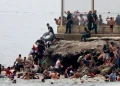
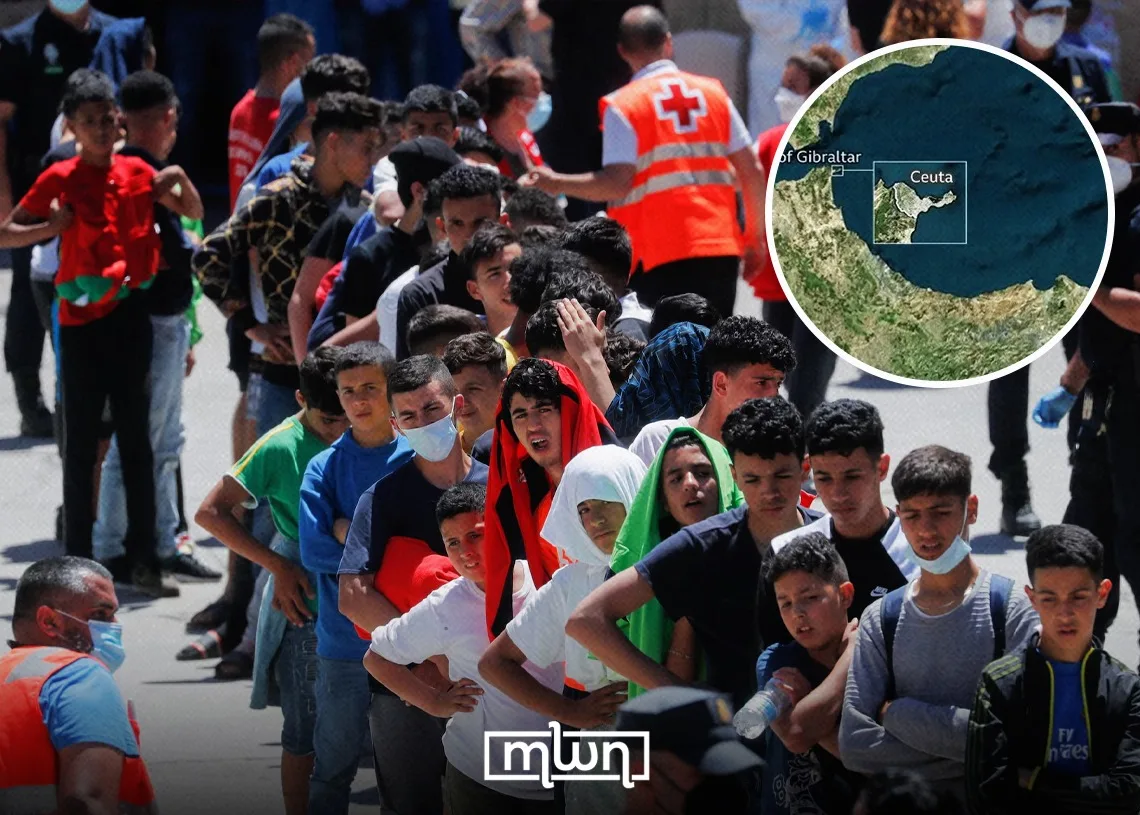
Casablanca – The Institute of Legal Medicine and Forensic Sciences in Ceuta has identified only six of the 82 bodies recovered after the mass arrivals to the Spanish-occupied enclave on July 30 and 31.
Three of the victims were identified through DNA testing, while the other three were identified using fingerprints, according to the institute’s director, Manuel Aparcero, in an interview with RNE reported by Europa Press.
Aparcero said the institute was overwhelmed from the start by the scale of the crisis. He said the situation was a “drama” that required extensive hours of work and coordination among healthcare professionals.
Only two forensic doctors were on duty when the bodies began arriving. The institute has seven refrigerated chambers, but the number of burials required led authorities to set up an additional large-scale refrigeration facility at the former military hospital to store the bodies.
Aparcero said the dignity of the deceased was maintained throughout the process. Muslim funeral rites were carried out after medico-legal autopsies in cases involving violent deaths of an accidental nature, allowing the victims’ religious beliefs to be respected.
The forensic institute has also been involved in determining the ages of migrant minors among those who died. Doctors have used panoramic dental X-rays and X-rays of the wrist or hand to examine bone development and the mineralization of molars.
Around 80 to 90 age determination tests have been carried out in recent days, Aparcero said.
The director also addressed reports of sexual assaults following the arrivals. He said there had been a slight increase in cases handled by the institute, but described the rise as not significant.
Aparcero said the forensic team remains “in automatic mode” after the events. Once the situation is over, he said, staff will need to step back, assess how the response was managed and take time to rest, describing the experience as personally very difficult.