
Marrakech – A 17-year-old Moroccan migrant being treated for acute diabetes has died at the La Esperanza temporary reception center in occupied Ceuta, in the city’s Hadú neighborhood. He was found unresponsive in the early hours of Thursday.
According to Spanish media, the minor was insulin-dependent and had type 1 diabetes described as “well controlled.” He suffered episodes of hyperglycemia and hypoglycemia, and an episode of uncontrolled blood glucose may have caused his death.
Health Ministry sources confirmed the fatality, and first indications point to natural causes, possibly severe hypoglycemia.
The teenager had swum into Ceuta during the mass migrant entries over the Tarajal breakwater, and was a month short of turning 18. He shared a room with three other minors.
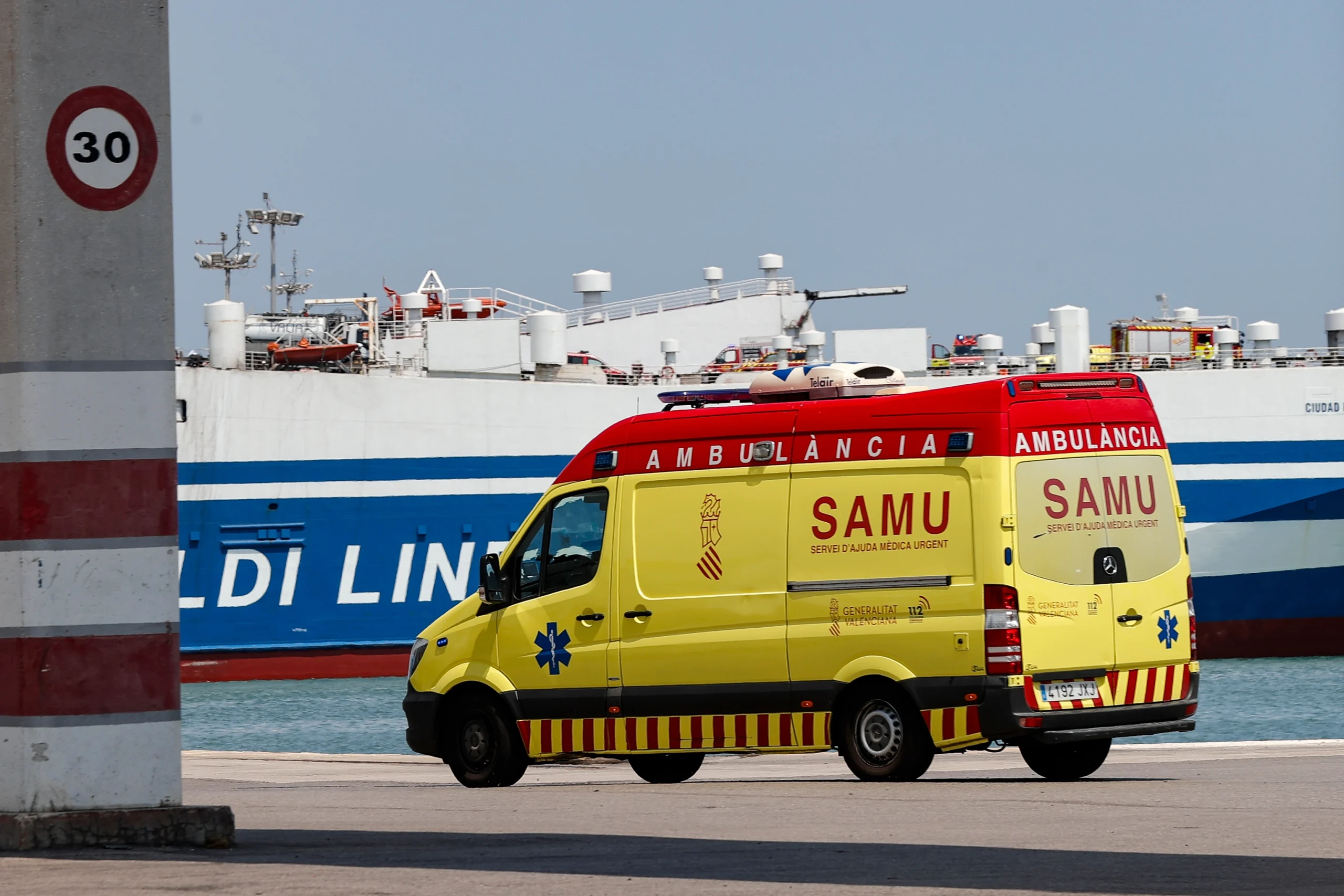
One of them found him lifeless after he failed to wake up for morning prayer as usual, and his roommates raised the alarm when he did not respond. The emergency call reached the coordinating center at 7:05 a.m., and a medical unit arrived at 7:13.
Spanish press quoted sources familiar with the case as saying that the minor was up to date on his medical checks, held a health card, and had undergone several tests since his arrival. His most recent review took place earlier in the week.
According to the center, which the City of Ceuta manages, and to the Health Ministry, he had refused dinner because he did not like the center’s food. His body was taken for an autopsy to establish the exact cause of death.
The death comes amid a system under strain. Youth and Childhood Minister Sira Rego told Congress on Monday that 1,478 minors remain in Ceuta’s protection centers, with another 1,200 still awaiting registration.
The next day, Territorial Policy Minister Ángel Víctor Torres put the number of registered minors at 1,612, of whom 1,129 had entered during the July surge, meaning roughly 500 were already in the city. Moncloa announced that 3,400 new places were available to house migrants in Ceuta.
The Moroccan League for the Defense of Human Rights, citing El País, noted that about 1,706 minors were under the city’s care as of Thursday, against an officially recognized capacity of just 30 for unaccompanied migrant minors.
Following a field visit between August 15 and 18, Human Rights Watch (HRW) documented children living in inadequate conditions, some in the streets or in improvised facilities.
In a statement issued from Rabat on Friday, the League voiced deep concern over the death. It cautioned that no Moroccan authority had yet officially confirmed the minor’s identity or nationality, and warned against treating his Moroccan nationality as established fact merely because it appeared in Spanish sources.
The group called on Moroccan consular services to urgently verify his identity and to reach his presumed family.
The League also pressed Spanish and Ceuta authorities to open an “independent, transparent, and comprehensive” investigation that goes beyond the direct physiological cause.
It questioned whether the care and monitoring matched the severity of a chronic condition requiring regular attention, and demanded legal and administrative accountability if negligence is proven. Any response, it added, must respect the best interests of the child and obligations under the Convention on the Rights of the Child.
Read also: Ceuta Police Arrest Woman After She Allegedly Stabs Moroccan Migrant