
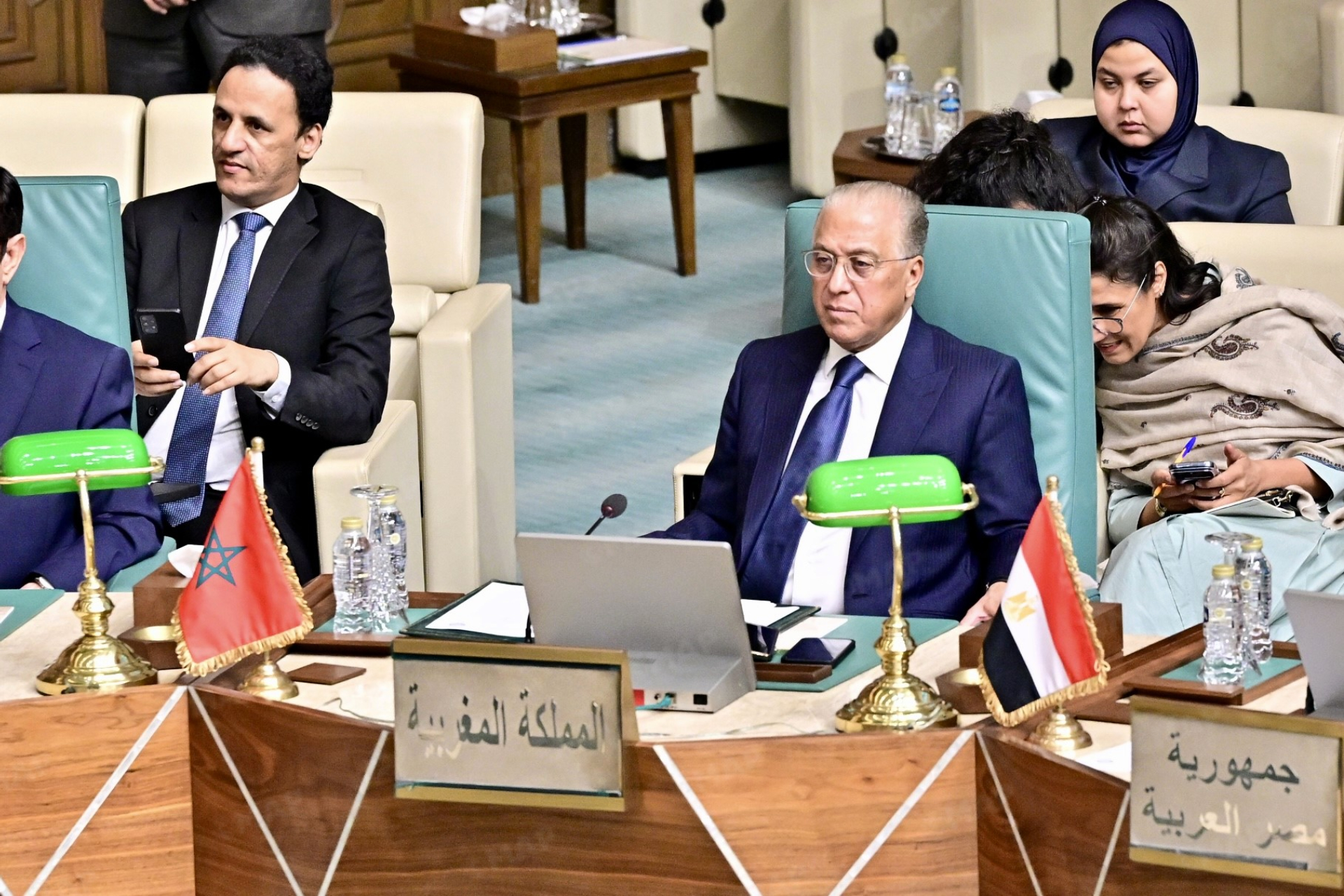
Casablanca – Morocco has stressed the need to protect pastoral lands as climate change, water scarcity, drought, land degradation and biodiversity loss put growing pressure on ecosystems across the Arab region.
The call came Thursday in Cairo during the 37th session of the Council of Arab Ministers Responsible for the Environment, where the Moroccan delegation reaffirmed the Kingdom’s commitment to joint Arab environmental action and to initiatives that can strengthen resilience and deliver a tangible impact on Arab citizens.
Morocco also called for stronger Arab-African and South-South cooperation, particularly to tackle desertification and drought, improve water and food security, protect ecosystems, and share successful experiences based on solidarity among developing countries.
The Moroccan delegation said the Arab region faces challenges that require greater cooperation and the exchange of expertise, knowledge, and technology. It pointed to several areas, including combating desertification and drought, restoring land, managing pastures sustainably, developing early warning systems, improving water management and expanding nature-based solutions.
The North African country also called for greater climate and environmental financing, easier access to international financial resources, technology transfers and capacity building. These measures, it said, can help countries turn shared challenges into opportunities for development, investment and innovation.
Morocco said the 31st session of the Conference of the Parties to the United Nations Framework Convention on Climate Change, scheduled to take place in Antalya in the coming weeks, will provide another opportunity to strengthen international efforts on adaptation, financing and resilience.
The choice of sustainable pastoral areas and resilience as the main theme of the Arab environment ministers’ session reflects the importance of these ecosystems to the region, according to the Moroccan delegation.
Pastoral lands cover more than two-thirds of Morocco’s national territory and livestock farming remains a key economic and social activity for communities living in pastoral areas. Pastoral activity also serves as the main source of livelihood for people in these regions.
Given the importance of these lands, Morocco has worked to develop different parts of its livestock production chains and has launched several projects to develop and manage pastoral areas. These programs also target the red meat, dairy and camel farming sectors.
The Kingdom has also adopted a pastoral legal framework in response to major changes affecting grazing lands. The framework aims to organize transhumance, establish mechanisms for sustainable management of pastoral resources and encourage livestock farmers and their professional organizations to take part in the sector’s development.
Morocco said these measures seek to improve production and living conditions and reduce the burden on local communities, particularly during periods of drought.
The delegation added that strengthening resilience requires a shift from crisis management toward anticipation, prevention, adaptation and investment in sustainable natural resources. In line with Royal Directives, Morocco continues to implement integrated policies and strategies covering climate, water, energy, biodiversity and land degradation.
It said sustainable pastoral areas are not only an environmental concern but also an investment in food and water security, livelihoods and economic and social stability across the Arab region.
Morocco participated in the Cairo session with a delegation led by Mohamed Ait Ouali, the Kingdom’s ambassador to Egypt and permanent representative to the League of Arab States. The delegation also included Ikram Belaarbi, foreign affairs secretary at the Kingdom’s representation to the League of Arab States, and Nosra El Ghayati, head of the international cooperation division at the Ministry of Energy Transition and Sustainable Development.