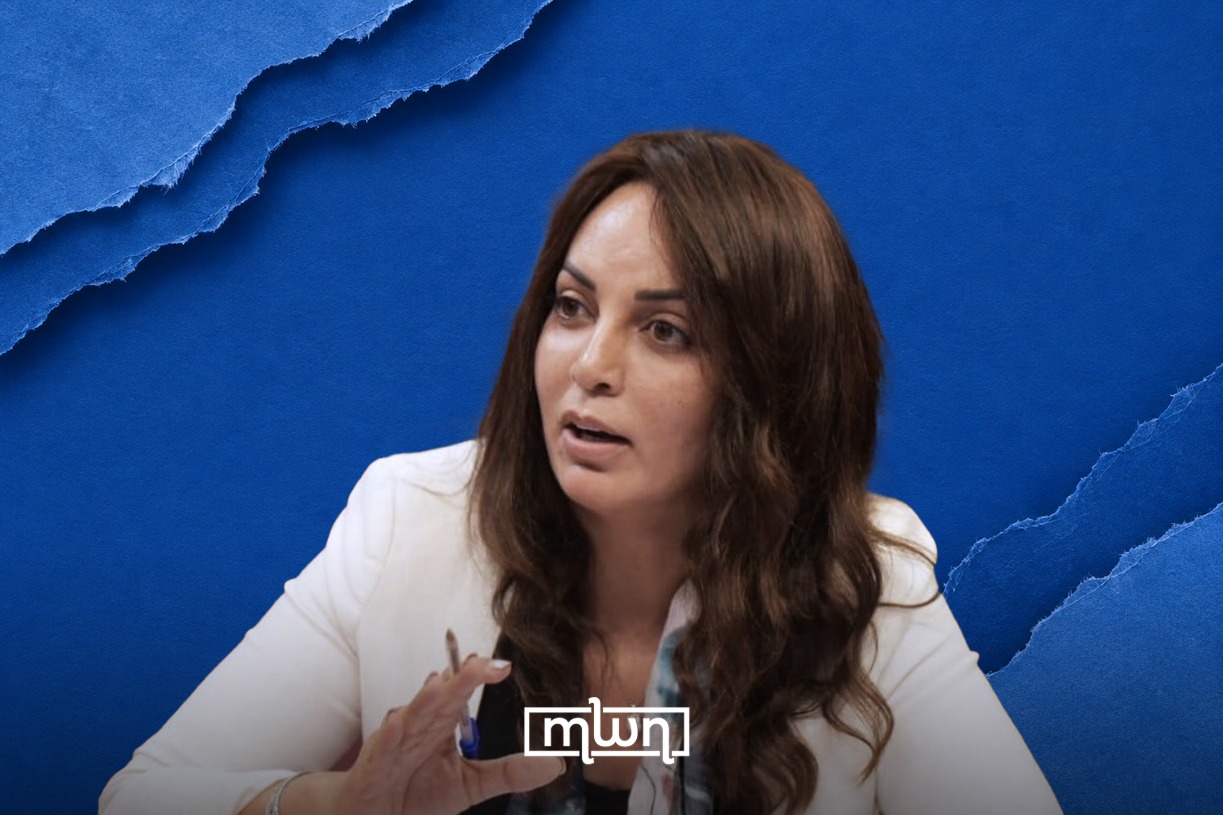
Rabat – Less than two months before joining Morocco’s new government, Madiha Khayr was calling for better access to vocational training in rural communities.
In August, the Istiqlal lawmaker submitted a parliamentary question requesting an extension of a mobile training programme in Aghbala, Beni Mellal province, arguing that more young people needed the opportunity to benefit from the initiative.
On Friday, October 16, King Mohammed VI appointed Khayr as Minister Delegate for Vocational Training and Qualification, placing her under the authority of newly appointed Education Minister Nabil Benabdallah.
Her appointment brings together her experience in parliamentary politics, public administration and specialized professional training.
An eight-day parliamentary leadership
Khayr’s transition into government follows a series of developments within the Istiqlal Party.
On October 8, she was selected to lead the party’s parliamentary group in the House of Representatives, succeeding Allal Amraoui. The decision was approved by Istiqlal’s executive committee and endorsed by its parliamentary representatives.
Just eight days later, her ministerial appointment brought that brief leadership role to an end.
Khayr had already served in Parliament during the 2021–2026 legislative term, when she was a member of the Finance and Economic Development Committee and participated in a working group on African affairs.
A background in aviation and professional training
Before entering Parliament, Khayr held administrative positions at Morocco’s National Airports Office (ONDA) and later served as secretary-general of the Mohammed VI International Academy of Civil Aviation.
The academy specializes in preparing professionals for the aviation industry, giving Khayr experience in the administration of an institution dedicated to specialized training.
Her parliamentary record also reflects an interest in access to vocational training.
In her August question concerning Aghbala, Khayr requested an additional six months for the mobile training programme, arguing that its initial duration had not allowed all interested young people to participate.
She now assumes responsibility for vocational training and qualification at a time when Morocco is expanding its training infrastructure.
For the 2026–2027 academic year, the Office of Vocational Training and Employment Promotion (OFPPT) announced a capacity of 424,000 training places across 513 institutions, alongside plans to open 18 additional facilities.
Her new position places her within a ministry responsible for developing education and professional skills, with vocational training forming a key part of efforts to prepare young people for employment.