Rabat – Morocco’s two parliamentary chambers will hold a joint plenary session on Monday to hear the government’s program from Head of Government Fatima Ezzahra El Mansouri.
The session will begin at 3 p.m., in accordance with Article 88 of the Constitution and the internal rules of both chambers, according to a joint statement from the presidents of the House of Representatives and the House of Councillors.
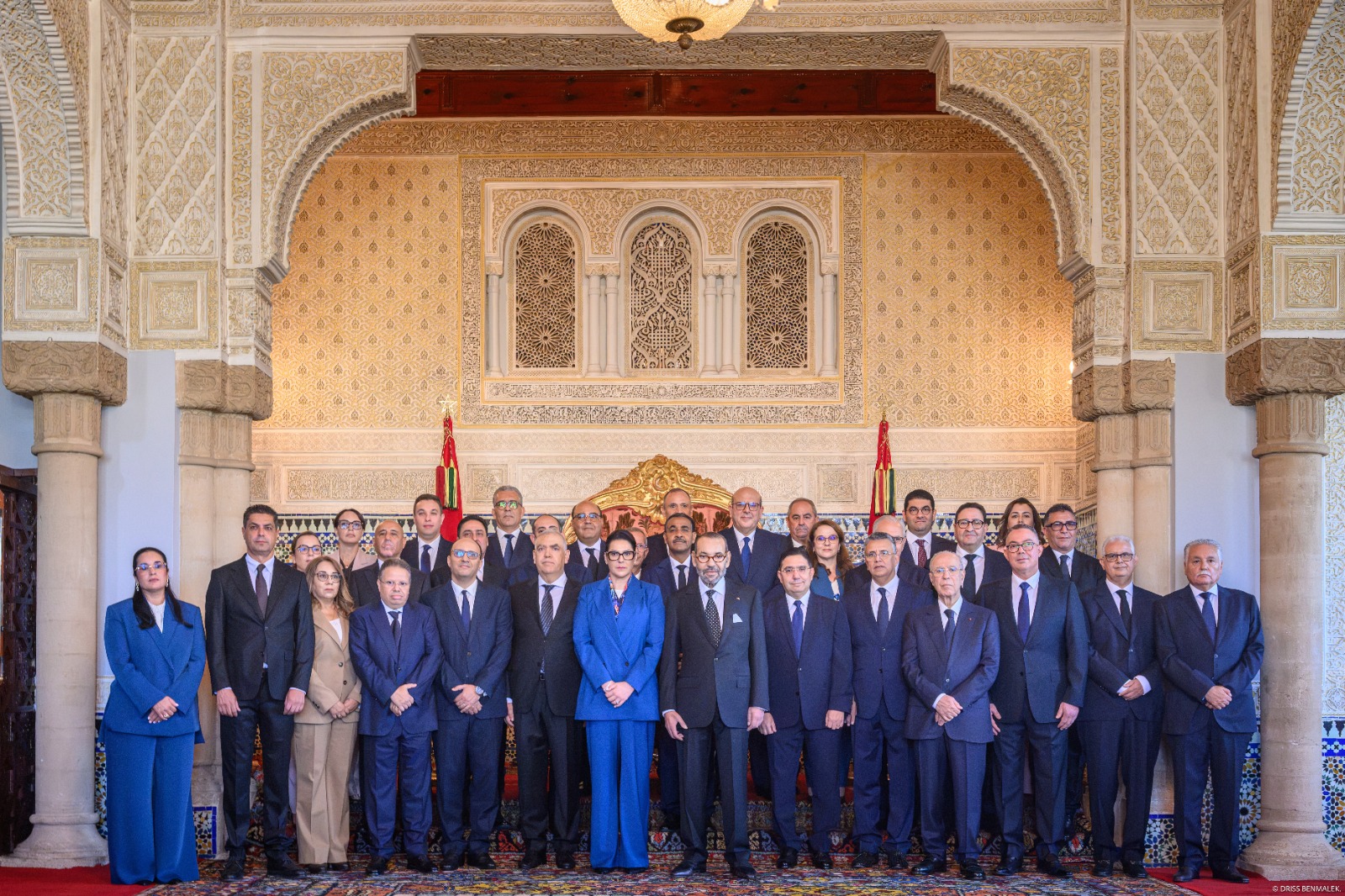
The presentation will mark a key step for the new government, which King Mohammed VI appointed on Friday at the Royal Palace in Rabat.
New government takes office
The King appointed El Mansouri, a leader of the Authenticity and Modernity Party (PAM), as head of government following consultations to form a new coalition after the September 23 parliamentary elections.
The new governing majority brings together four parties, including PAM, the Istiqlal Party, the Socialist Union of Popular Forces (USFP), and the Party of Progress and Socialism (PPS). Together, they hold 207 of the 395 seats in the House of Representatives.
The new cabinet includes several changes to key ministerial positions. Fouzi Lekjaa, previously minister delegate in charge of the budget, now heads the Ministry of Economy and Finance and Public Performance.
Nabil Benabdallah has been appointed minister of National Education, Preschool Education, Vocational Training and Qualification, while Charafat Afailal will lead the Ministry of Energy, Mines and Sustainable Development.
Ahmed Rahhou has been appointed minister of Artificial Intelligence, Digital Transformation and Administrative Reform, a portfolio that brings these areas together under one ministry.
Other ministers have retained their positions, including Abdelouafi Laftit as minister of the Interior and Nasser Bourita as minister of Foreign Affairs, African Cooperation and Moroccan Expatriates.
Priorities ahead
Monday’s session will give El Mansouri an opportunity to outline the government’s priorities and the measures it plans to take during its term.
The new administration faces several major challenges, including unemployment, education and healthcare, as well as preparations for the 2030 FIFA World Cup, which Morocco will co-host with Spain and Portugal.
The government will also need to respond to public demands for better economic opportunities and improved public services.
Under Article 88 of the Constitution, the government must present its program before both parliamentary chambers. The program is then debated, and the government must obtain the confidence of the House of Representatives through an absolute majority of its members before it can exercise its functions.