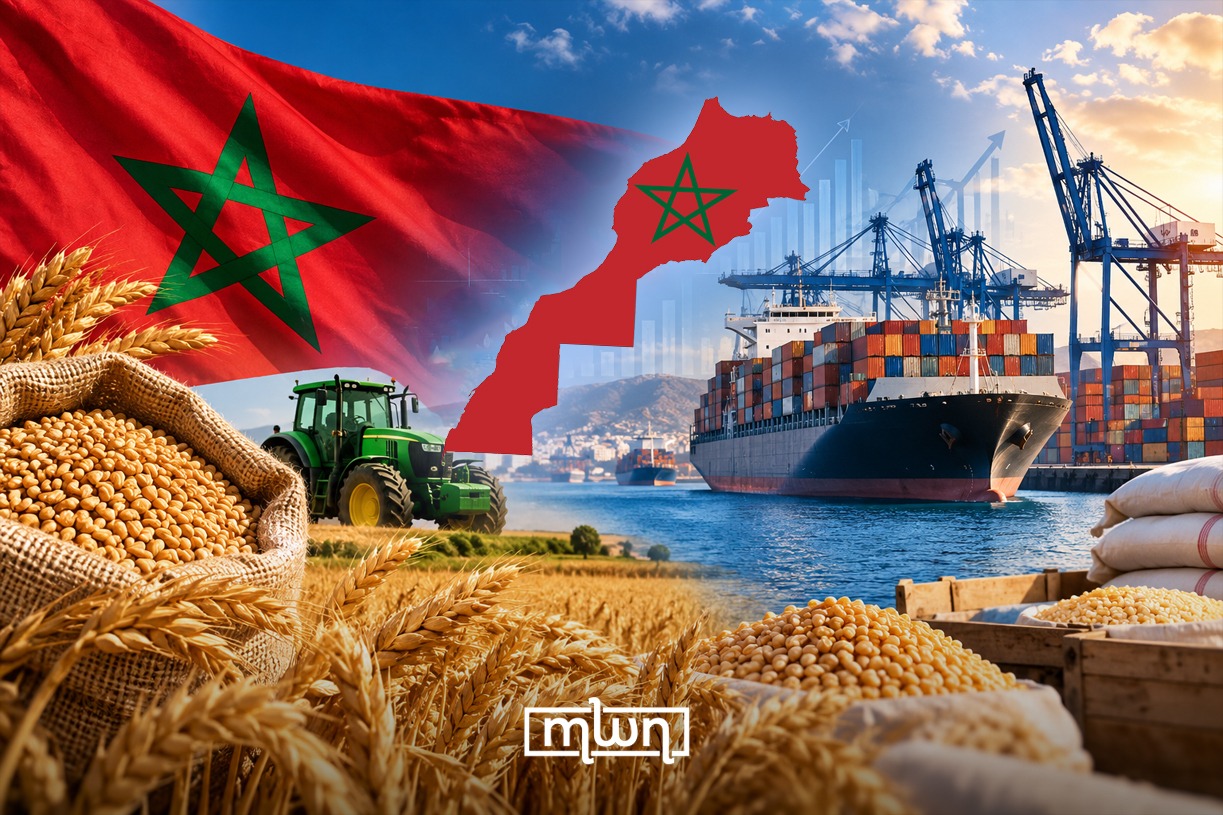
Rabat – When a maritime route is disrupted, the effect on a family in Morocco may arrive through the price of food rather than through a headline about shipping. Fuel, packaging, agricultural equipment and imported materials all travel through commercial networks whose costs can change far from the farm or market where they are finally used.
The possibility of reopening the Strait of Hormuz is therefore important, but it would be a mistake to assume that agricultural costs will immediately return to previous levels. Suppliers may still be fulfilling delayed orders, transport operators may be adjusting schedules and businesses may have purchased inputs when costs were higher. The end of a disruption is not always the end of its economic consequences.
Morocco boasts important agricultural and fertilizer capabilities. Those strengths deserve recognition, but food security is not achieved by one industry acting alone. Farmers depend on water, equipment, finance and reliable distribution. Food processors need electricity, packaging and transport. Consumers need products to remain accessible at prices their household budgets can bear.
The most useful response begins with information. A farmer deciding whether to purchase an input needs to know more than that international conditions are improving. Is the material available locally? Can it arrive before the relevant stage of the growing season? Is there an appropriate alternative? General reassurance is of little use when a decision must be made this week.
Agricultural organizations and public agencies could make this information easier to obtain, especially for smaller producers. They could also identify where a delay in one modest input threatens a much larger harvest or processing operation. This is not about predicting every global crisis. It is about knowing which interruptions create the greatest harm and preparing practical alternatives.
Financial pressure deserves equal attention. A producer may face higher transport costs while waiting longer to receive payment for a crop. Temporary credit flexibility may be justified where a viable business faces a clearly documented disruption. But assistance should remain targeted and transparent, rather than treating every increase in cost as a reason for open-ended subsidy.
The wider lesson is that agriculture, logistics, and household welfare cannot be considered separately. A port may be functioning normally while a food processor struggles to obtain packaging. A farm may produce successfully while distribution costs make the final product less affordable. Good policy follows the full journey from production to the consumer.
Morocco should welcome any credible improvement in maritime security. It should also measure recovery by the availability of agricultural inputs, the reliability of food distribution and the prices people actually face. A reopened shipping route can ease pressure. A dependable food system requires continuing work at home.