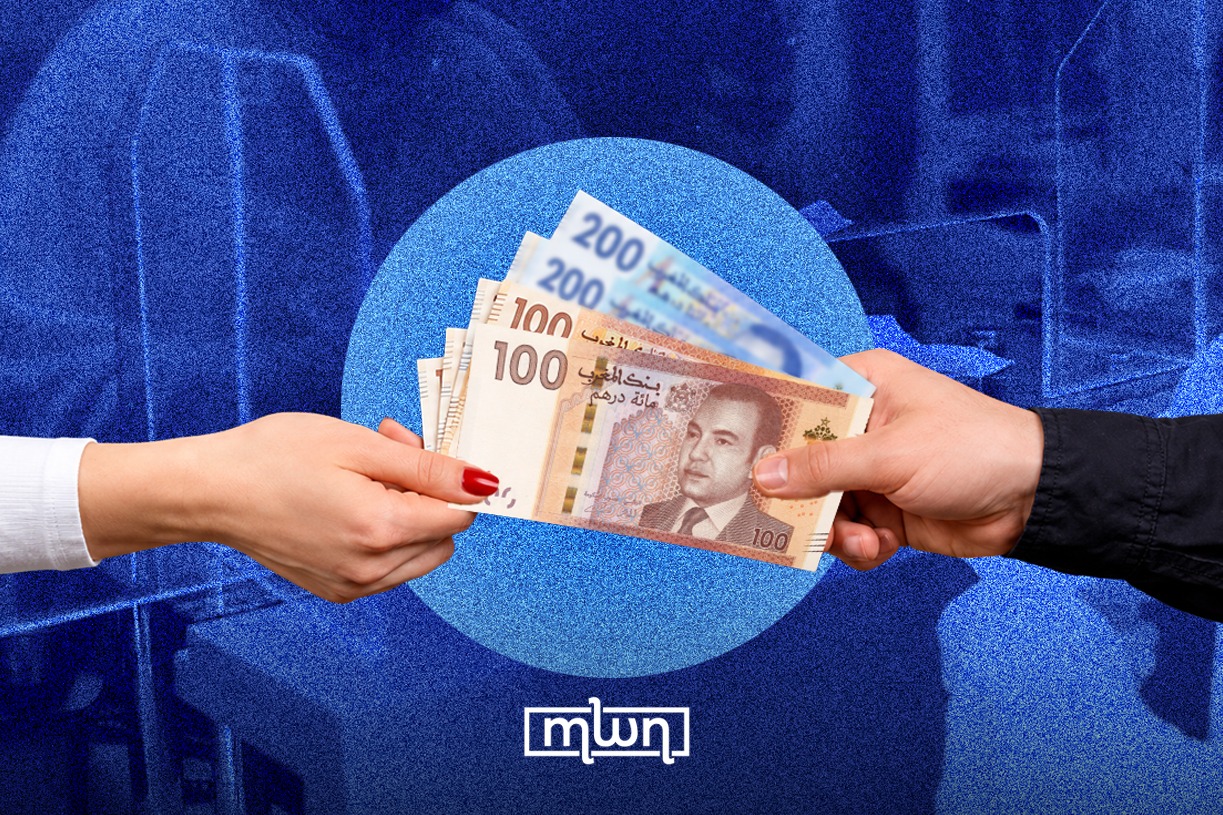
Casablanca – Morocco will raise the minimum monthly direct social assistance from MAD 500 ($50.95) to MAD 600 ($61.08) starting January 1, 2027, Minister of Economy and Finance Fouzi Lekjaa said today during a joint parliamentary session presenting the 2027 Finance Bill.
Lekjaa said the government intends to increase the minimum amount gradually until it reaches MAD 1,000 ($101.90). The first increase will require an additional MAD 3 billion ($305.69 million), he said, without specifying the timeline for subsequent increases.
The government also plans to change how it determines which households qualify for the program, moving away from the socio-economic index toward a more direct assessment of actual household income.
Lekjaa said the current assessment system can exclude families from assistance because of exceptional spending, citing purchases such as a telephone or a bicycle. Under the planned approach, the government would assess each household’s actual income to determine eligibility.
He also stressed that receiving direct social assistance should not depend on whether one or all members of a household have jobs.
Read also: Morocco to Exempt Salaries Below MAD 10,000 From Income Tax Starting 2027
“The benefit from this support is a right for families in need,” Lekjaa said, adding that the program should also help households develop their capacities, enter the economy and eventually generate their own wealth rather than depend on the allowance.
The changes form part of the government’s broader plan to expand social protection while helping vulnerable households achieve greater economic independence.
Morocco launched its direct social assistance program in December 2023. The scheme provides monthly payments to eligible households, with amounts varying according to family composition and circumstances. The minimum monthly allowance currently stands at MAD 500.
According to the National Agency for Social Support’s 2025 annual report, published in June 2026, the program reached 3.9 million households by the end of 2025, including 5.5 million children and around 1.7 million older people. The state disbursed MAD 51 billion ($5.20 billion) through the program between its launch and the end of 2025.
The report also found that 60% of beneficiaries lived in rural areas. Its findings showed a strong correlation between the geographical distribution of beneficiaries and the country’s multidimensional poverty map.
The government’s proposed shift in eligibility criteria comes as it seeks to refine the program’s targeting and link assistance more closely to household circumstances. Lekjaa said the new approach would allow authorities to identify the families entitled to support based on their actual incomes.