
Rabat – Diphtheria has reappeared in Morocco after more than three decades without reported cases, exposing vaccination gaps and the need for early detection.
The Ministry of Health announced in late September that two family clusters had been identified in the Souss-Massa region, in Agadir Ida-Outanane and Chtouka Ait Baha. The cases involved children who had not been vaccinated or had not completed their vaccination schedules. Additional isolated cases were also reported, including one imported from abroad.
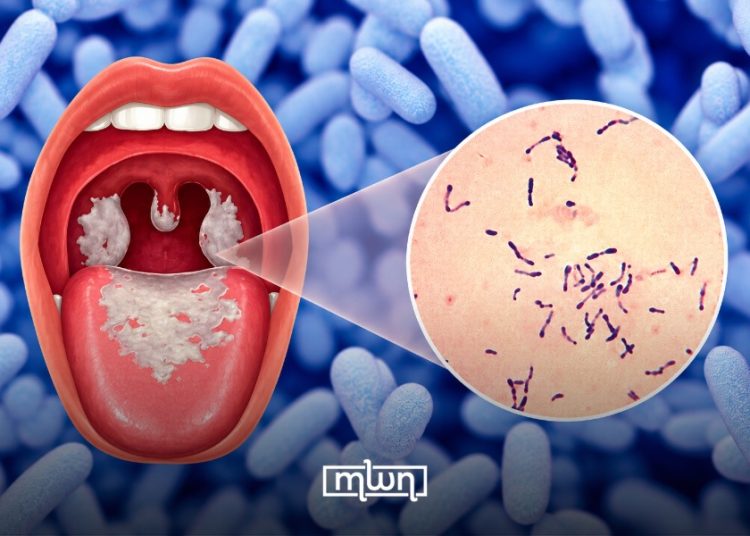
Diphtheria is a contagious bacterial infection that mainly affects the nose and throat, although it can also affect the skin. The bacteria produce a toxin that can damage the heart, nerves, and kidneys. Without appropriate treatment, the disease has a fatality rate of between 5% and 10%, according to medical experts.
Professor Majdouline Oubtil, a clinical epidemiologist and professor at the Faculty of Medicine and Pharmacy in Rabat, said the reported cases highlight the importance of completing vaccination schedules and recognizing warning signs early.
Speaking to Morocco’s state news agency MAP, Oubtil explained that the infection spreads mainly through respiratory droplets released when an infected person coughs, sneezes, or talks. Direct contact with infected skin can also transmit the disease.
Symptoms usually appear two to five days after infection. They include a sore throat, fever, and difficulty swallowing. One of the main warning signs is the development of thick, white, or gray membranes at the back of the throat, which may bleed if removed.
Severe neck swelling, a hoarse voice, and breathing difficulties require urgent medical attention. Oubtil also advised people to seek medical care promptly if they develop persistent skin lesions or nasal discharge, sometimes accompanied by blood.
Morocco’s national immunization program provides three initial vaccine doses at two, three, and four months of age, followed by booster doses at 18 months and five years.
Oubtil stressed that vaccination is the most effective way to prevent diphtheria and its severe complications. Adults and adolescents who have missed required doses or booster shots should also check their vaccination status.
She also advised parents to review their children’s vaccination records and contact the nearest health center if they are unsure whether their children are fully protected. Vaccines included in Morocco’s national immunization program are available free of charge at public health facilities.
When a case is suspected, health teams must act quickly by isolating the patient, collecting samples, and providing antibiotics and diphtheria antitoxin when medically indicated. They also identify close contacts, who may need preventive antibiotics or vaccination, depending on their exposure and immunization history.
Oubtil urged the public to follow official health guidance, maintain good hygiene, and ensure proper ventilation in schools and other shared spaces. She warned that vaccination gaps can allow the disease to spread even in countries where it has become rare.