


 Join on WhatsApp
  Join on Telegram
 Rabat – Morocco and Gabon have signed a memorandum of understanding (MoU) aimed at enhancing judicial cooperation between the two nations.
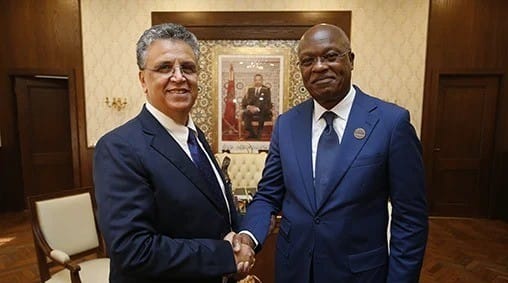
The agreement was formalized on Wednesday in Rabat by Morocco’s Minister of Justice, Abdellatif Ouahbi, and his Gabonese counterpart, Paul Marie Gondjout.
The MoU seeks to expand collaboration in key areas of judicial administration, including the exchange of expertise, best practices, and the organization of scientific meetings.
Both countries are looking to benefit from each other’s experience to improve the efficiency of their respective justice systems.
As part of the agreement, the two nations emphasized the vital role that legislation plays in modernizing judicial administration in response to economic and social developments.
The deal reflects a broader effort to foster African integration, strengthening the long-standing historical and cultural ties between Morocco and Gabon.
At the signing ceremony, Gabon’s Minister of Justice praised Morocco as a “model for judicial reform,” noting that this cooperation represents a “golden opportunity” to modernize Gabon’s legal system.
He highlighted the “secular nature and sustained development” of relations between the two countries and expressed optimism about the future of their partnership.
“Strengthening bilateral cooperation in the field of justice will enable us to enhance local capacities and raise the level of justice in both countries, paving the way for greater stability,” Gondjout said.
Read also: Gabon Delegation Commends Morocco’s ‘Consistent’ Commitment to Bilateral Relations
Moroccan Minister Abdellatif Ouahbi called the agreement a “crucial milestone” in the history of bilateral relations, describing it as a reflection of a shared vision for a modern, resilient justice system.
“This partnership will lead to tangible results that will strengthen the rule of law and bolster our regional and international standing,” Ouahbi remarked.
The agreement covers a range of judicial matters, from the digital transformation of court systems to the exchange of new legislation and training for judicial officers.
It also promotes alternative dispute resolution methods, including mediation and arbitration, as a means of improving justice systems in both countries.


