


 Join on WhatsApp
  Join on Telegram
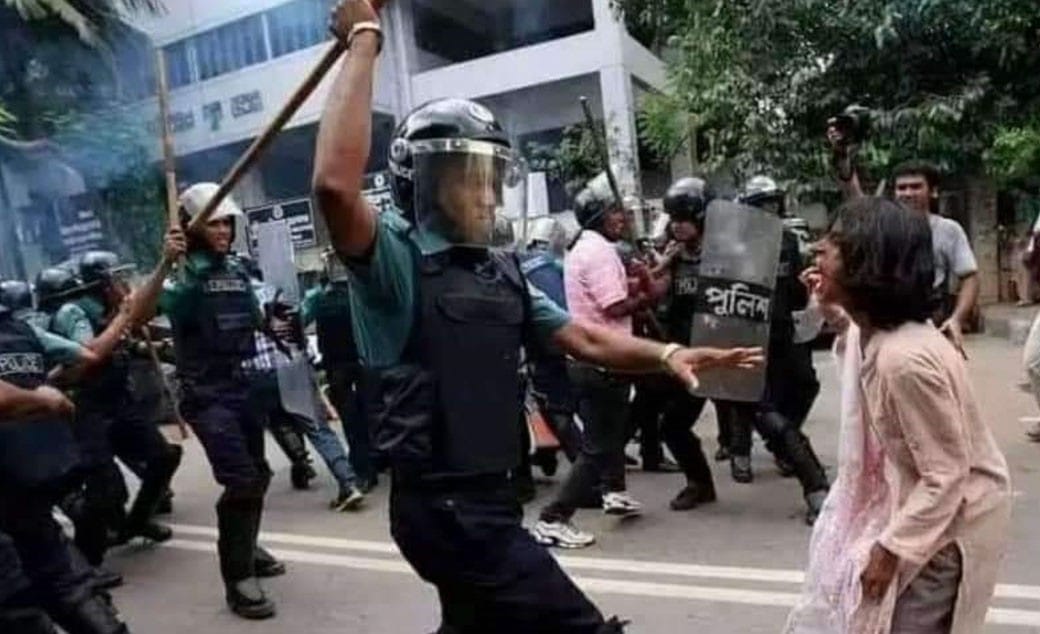
 Dhaka, Bangladesh – University students across Bangladesh have been peacefully protesting since the beginning of July to demand fair access to recruitment opportunities for government jobs. Unfortunately, these demonstrations have been met with extreme violence, and the response from the regime has been both severe and oppressive. Alarmingly, there is a significant lack of coverage from local media outlets, leaving the victims without the support and visibility they desperately need.
Tensions in Bangladesh have reached a critical point following a day of intense clashes that have resulted in the tragic deaths of at least 34 deaths in Dhaka and 9 elsewhere in the country, according to Daily Manab Zamin, a local Bangladeshi outlet. The actual death toll is feared to be much higher, as communication challenges persist due to a nationwide internet outage.

In a desperate bid to control the spiraling violence, the Bangladeshi government has implemented an indefinite curfew and deployed military forces across the nation. The situation has worsened with the government also imposing stringent measures against civil activities. According to new regulations, anyone found protesting, or even providing food or shelter to protesters, will be deemed a protester and face severe consequences.
The crisis unfolded rapidly at Dhaka University on Wednesday, July 17, when police and members of the ruling party attempted to seize control of university halls—a key focal point for student-led protests demanding fair recruitment processes for government jobs. According to eyewitness accounts, the situation escalated when, following a brutal crackdown that saw the halls captured, the dispersing students were unexpectedly attacked with sound grenades and tear gas.

The violence marks a significant escalation in the government’s response to what had initially been peaceful demonstrations by students. With the internet shut down, it has become increasingly difficult for citizens to access reliable information and for the international community to gauge the full extent of the turmoil.
Eyewitnesses have provided harrowing accounts of the day’s events, highlighting the use of excessive force by authorities and the implications of such harsh measures against basic civil liberties. The deployment of the military and the broad characterization of dissent as punishable under protest-related offenses indicate a severe hardening of stance by the government.


