 Join on WhatsApp
 Join on Telegram
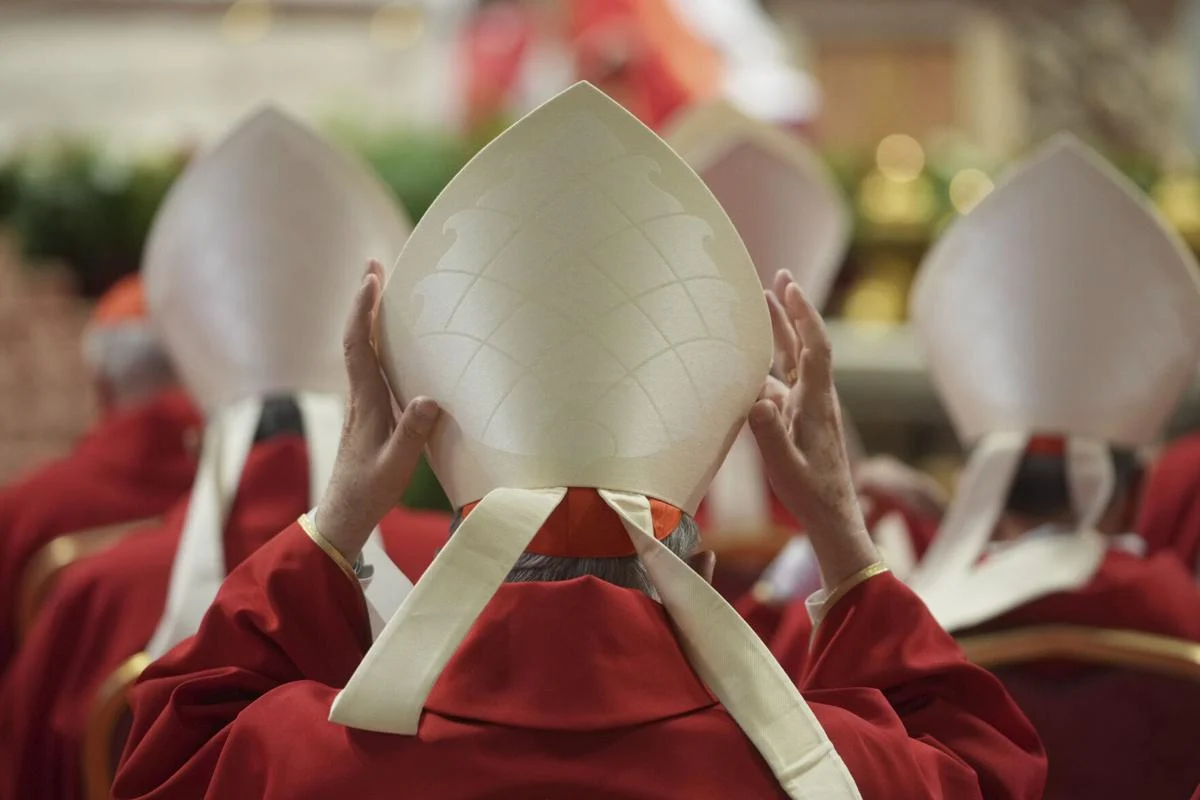
Doha – The conclave to select the successor to Pope Francis begins today in Vatican City, where 133 cardinals from around the world have gathered to take part in the process that will choose the next leader of the 1.4 billion-member Roman Catholic Church.
Pope Francis died on April 21 at the age of 88, setting into motion a series of events and rituals that have culminated in today’s papal conclave. The “princes” of the Catholic Church will sequester themselves behind the Vatican’s medieval walls, surrendering their cellphones to be free from outside noise and interference. They will then vote in secret and in silence to elect the next heir to Saint Peter’s throne.
The cardinals began the day with a Holy Mass at St. Peter’s Basilica at 10 a.m. Vatican Time. At 4:30 p.m., they assembled in the Apostolic Palace for prayer before proceeding to the Sistine Chapel to begin casting their votes. Before the conclave began, the cardinals took oaths of secrecy and turned over their cellphones before checking into Vatican guesthouses, where they will be sequestered without access to television, newspapers, or the internet.
The 133 cardinals will convene behind the closed doors of the Sistine Chapel to cast their first ballot in front of Michelangelo’s “Last Judgment.” The men will cast their votes under the famed fresco in what is the largest and possibly the most unpredictable conclave to ever take place.
How the conclave works
In the Catholic Church, each new pope is selected through the traditional practice of a conclave. Cardinals from around the world convene and are locked into the Sistine Chapel for up to four rounds of voting each day, day after day, until they reach the required two-thirds majority vote to elect a new pope.
A two-thirds majority is needed to declare the winner. If no candidate reaches that threshold on the first vote, the cardinals will retire for the day. Then they’ll return on Thursday, holding two votes in the morning and two in the afternoon per day until the next pope is found.
The ballots are burned after each vote, and the smoke from them will emanate from a chimney on the roof of the Sistine Chapel. Chemicals are added to make the smoke black or white. Black smoke means no candidate reached the two-thirds majority, and the voting will continue. White smoke signals that a candidate has received the required two-thirds majority, has accepted the papacy, and a new pope has been chosen.
Once the elected pope accepts papal duty, he is asked to pick a papal name, don the white cassock that distinguishes him from the other cardinals, and step onto the balcony overlooking St. Peter’s Square to address the world.
Before the elected Saint Peter heir’s first papal address, a senior cardinal declares to the waiting crowd and the world: “Habemus papam” (We have a pope). There is no time limit for the conclave to elect a pope, but the last three have taken three days or less. Pope Francis was elected after five ballots over two days. Pope Benedict XVI was elected after four ballots over two days. Pope John Paul II was elected after eight ballots over three days.
Top contenders for the Papacy
With the voting process shrouded in secrecy, predicting the identity of the next pope remains challenging. Nevertheless, several frontrunners have emerged from the diverse pool of cardinals. The list of potential candidates continued to grow as the conclave approached, with Vatican watchers now speculating about more than 20 possible contenders.
American cardinal Robert Prevost has recently emerged as a leading candidate, with Catholic media praising his listening skills and balanced judgment. His rise has somewhat overshadowed Pietro Parolin, the Vatican diplomat who, despite his impressive credentials, is viewed by some as lacking the charisma needed to lead the global Catholic community.
From Asia, Filipino cardinal Luis Antonio Tagle stands out as a reformist figure who shares many of Francis’s progressive views. The progressive faction also includes Italian Matteo Zuppi, Jerusalem-based peacemaker Pierbattista Pizzaballa, and representatives from Luxembourg, Britain, and Canada who align with Francis’s vision for a more inclusive church.
The conservative wing rallies behind Hungary’s Péter Erdő and Guinea’s Robert Sarah, both known critics of the direction the church took during Francis’s papacy.
While theoretically any baptized Catholic man could become pope, tradition strongly favors cardinals. The practice is so entrenched that the last non-cardinal to ascend to the papacy was Urban VI, nearly 650 years ago in 1378.
Challenges for the new Pope
Nearly all popes have historically been European. Francis, hailing from Argentina, became the first non-European pope in over 1,200 years, inspiring hopes among candidates from regions like Africa and Asia.
In the lead-up to the conclave, cardinals widely agreed on the need for a new pope who could serve as both a bridge and a guide for a beleaguered church facing a crisis of vocation among priests, an even bigger crisis of faith among ordinary Catholics, and the even more daunting challenge of resisting the overpowering currents of radical secularization.
At a Mass in St. Peter’s, the dean of the College of Cardinals urged his fellow cardinals to select a pontiff capable of steering the Church through challenging and uncertain times. He invoked the Holy Spirit’s guidance to ensure that the chosen pope would be someone both the Church and the wider world need at this pivotal moment.
The dean also stressed the importance of preserving the Church’s unity—not as uniformity, but as a steadfast communion that embraces diversity. He called on the cardinals to put aside any personal interests in making their decision.
With global attention now focused on the chimney above the Sistine Chapel, where the appearance of white smoke will signal the election of the Catholic Church’s next leader, Catholics around the world are wondering whether their princes will elect a moderate or a traditionalist.
Read also: Trump Sparks Outrage Among Catholics With AI Pope Image After Francis’ Death