


 Join on WhatsApp
  Join on Telegram
 Rabat – Historians from Cambridge University have revealed hundreds of confiscated love letters hidden away for decades, uncovering a secret world of taboo romance between Spanish women and Moroccan men during the colonial era.
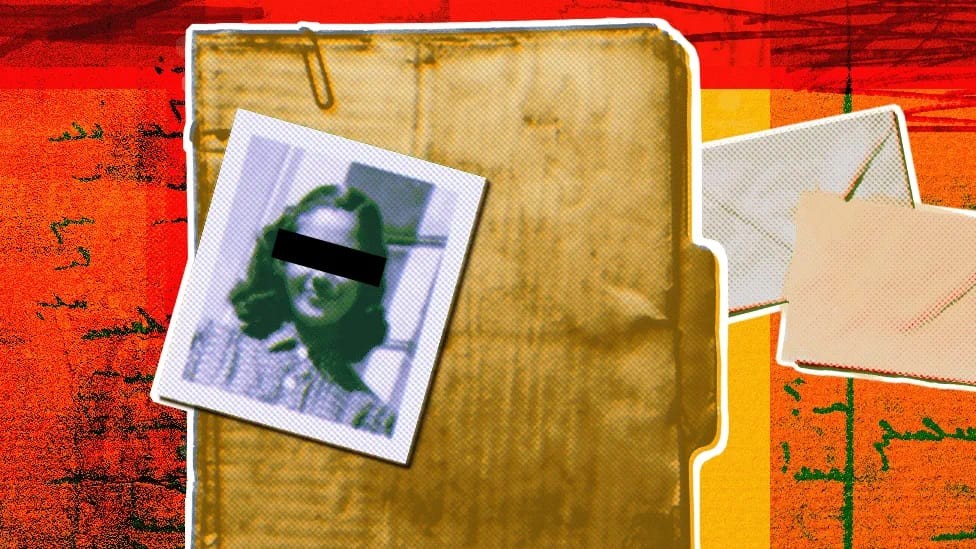
Seized between the 1930s and 1950s, these letters tell stories of couples facing challenges due to the separation caused by the Spanish protectorate in Morocco.
Directives from 1937 explicitly aimed to prevent marriages between Moroccan soldiers and Spanish women. The Franco regime, in power since 1939, viewed such unions as a threat to the colonial hierarchy.
Spanish authorities employed various measures to prevent these relationships without outright banning them. Letters between lovers were confiscated, and individuals were prohibited from entering each other’s territories.
The colonial rule, established in 1912, saw Morocco divided between Spain and France.
Moroccan men, conscripted into the Spanish military during the Spanish Civil War, were sent to Spain, leading to encounters with Spanish women.
However, authorities went to great lengths to prevent these relationships, even resorting to character attacks on women involved.
The letters, which were meticulously hidden in Spanish archives, were found and shared by researchers Josep Lluis Mateo Dieste and Nieves Muriel Garcoa. They revealed the personal lives of these individuals amid colonial oppression.
“When will you come back to Spain?” Carmela from Granada wrote to her Moroccan lover in 1944, but her message never reached its intended recipient in Morocco.
“Each letter contains a tantalising glimpse into an entire relationship, but each one also tells us about the repression that these relationships faced,” Historian from Cambridge University Arthus Asseraf said.
According to Asseraf, the authorities’ opposition to these relationships was rooted in Franco’s misogynistic ideology, religious concerns, and the preservation of the “prestige of the race” aiming to maintain Spain’s perceived superiority over Morocco.
When Morocco became independent in 1956, the archives where these letters were kept weremostly forgotten.


