


 Join on WhatsApp
 Join on Telegram
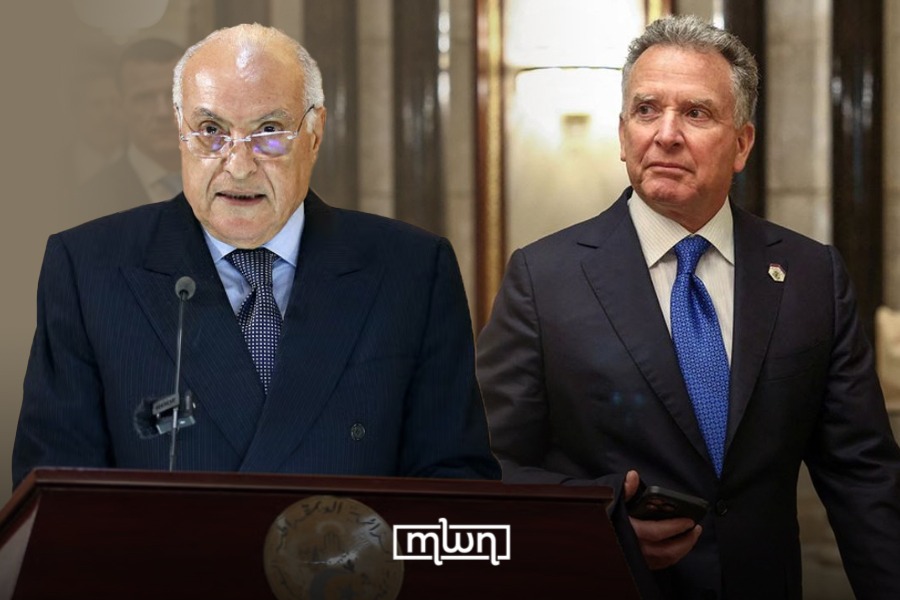
Rabat – Algeria has denied negotiating a peace deal with Morocco, challenging recent statements by US President Donald Trump’s envoy Steve Wiktoff.
“I was surprised by this statement, because personally I am not aware of any project for a peace agreement between the two countries mentioned,” Attaf said on Tuesday in a press conference.
He claimed that there was confusion regarding what the US is trying to do regarding the Western Sahara issue and Algerian-Moroccan relations.
“I believe he was referring to the new American initiative to present, in cooperation with the UN- a plan to resolve the Sahara issue. As for Algerian-Moroccan dialogue, it is not on our agenda at this moment,” Attaf added.
In October, Witkoff said the US is working on a peace deal between Rabat and Algiers, detailing that Washington expects to secure the agreement within the next two months.
In an interview with CBS News, Witkoff said: “We are working on Morocco and Algeria right now. Our team is focused on it, there is going to be a peace deal in the next, in my view, 60 days.”
Trump’s top advisor Massad Boulos, also signaled an upcoming potential dialogue between the two countries in his recent interview with Asharq on October 16.
In the interview, he said Algiers “expressed their willingness to improve ties with their Moroccan neighbors – with Morocco, with the Moroccan people, with His Majesty the King, the Moroccan government, and the brotherly Moroccan nation.”
The Algerian regime has not been acting according to these remarks, however, with continuous maneuvers challenging Morocco’s territorial integrity and sovereignty over its southern provinces in Western Sahara.
A heavy diplomatic blow
Throughout October, Algeria’s regime sought to block a vote on the UN resolution by attempting to convince its allies at the UN Security Council, particularly Russia, to amend the text in favor of Polisario’s independence claims in Western Sahara.
In response, the UNSC voted on Resolution 2797, which endorses Morocco’s Autonomy Plan as the genuine political process to end the dispute over Western Sahara.
The resolution marked a major setback to Algeria’s regime as it identifies all parties to the dispute, including Algiers– which has long rejected its role in the dispute, alleging its only a mere observer.
UN Envoy for Western Sahara Staffan de Mistura said following the adoption: “It’s a very detailed resolution – every word was carefully chosen and negotiated. There are several key points: The parties are clearly identified as Morocco, the Polisario, Algeria, and Mauritania.”
De Misutra also expressed satisfaction with the adoption of the resolution. He described it as significant as it “demonstrated a renewed international energy and determination to resolve this 50-year-old conflict.”
“The UN Secretariat is sometimes like a sailing boat: It is the experience to reach a safe destination, but it requires a strong and constant wind- meaning serious engagement by one or more members of the Security Council and beyond.”
The UN envoy recalled the engagement of stakeholders, including the US and all relevant members of the Council, including those who abstained or did not vote.
“Resolution 2797 was the result of proactive engagement by the penholder through Massad Boulos, Ambassador Mike Waltz, and other members of the council,” De Mistura said, adding that “everyone was, in one way or another, involved.”
Eleven members of the UNSC voted in favor of the resolution, while Russia, China, and Pakistan abstained and Algeria did not vote.




