


 Join on WhatsApp
  Join on Telegram
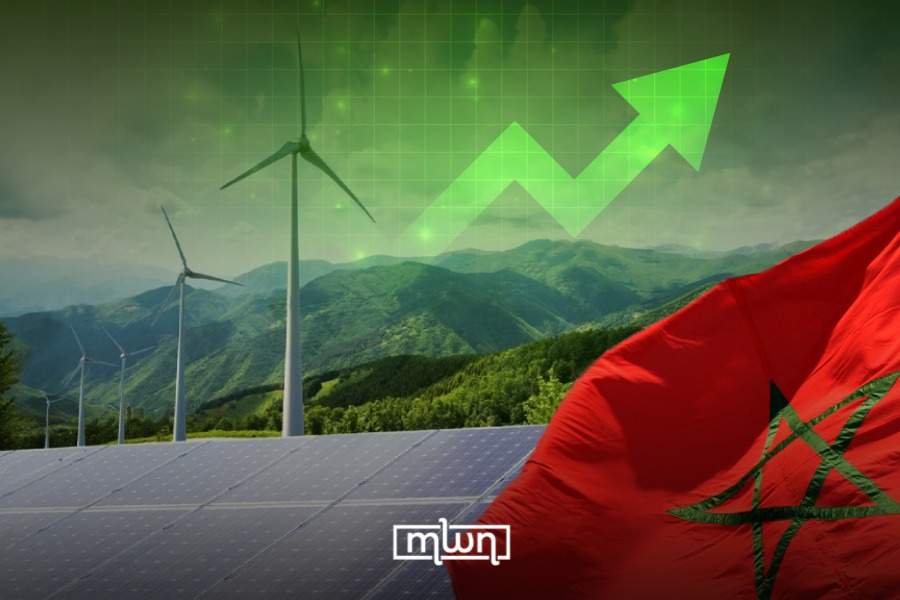
 Rabat — Morocco has emerged as one of the world’s top climate performers, ranking 6th in the 2026 Climate Change Performance Index (CCPI).
The country’s new ranking represents a significant achievement for a developing nation navigating the complex balance between economic growth and environmental responsibility.
Morocco’s strong showing comes on the heels of an updated climate commitment unveiled in October 2025, in which Morocco pledged to reduce greenhouse gas (GHG) emissions by 35% compared to business-as-usual projections by 2035, according to the report.
The plan also includes an unconditional reduction target of 21.6% and a conditional target of 31.4%, alongside a commitment to phase out coal by 2040.
“Morocco rates high in GHG emissions, energy use, and climate policy,” according to the CCPI assessment, which evaluates countries across multiple climate action categories.
However, the country received lower marks for renewable energy deployment, suggesting room for improvement in one of its most promising sectors.
Transportation leads the way
The CCPI’s report indicated that Morocco’s climate success story shines brightest in the transportation sector, noting that the country’s major investments in public transport and rail infrastructure are driving a modal shift toward low-carbon mobility.
The North African country’s initiatives represent a long-term commitment to sustainable urban development and could serve as a model for other developing nations.
The country has also implemented a National Adaptation Plan that sets minimum performance standards for new buildings, the report added.
However, experts criticize the lack of resources dedicated to monitoring compliance, noting that construction often fails to meet these standards, and energy-intensive appliances continue to flood the market, according to the report.
Solar and wind hit roadblocks
While Morocco’s renewable energy potential is vast, particularly for solar and wind power, progress has been hampered by delays and technology disputes.
The CCPI experts are calling for accelerated solar and wind tenders with clear technology choices and improvements to grid flexibility to accommodate variable renewable energy sources.
The experts also advocate for a sustainable biofuel and biomethane roadmap focused on waste and agricultural residues rather than food crops, which could provide additional renewable energy without threatening food security.
Water and waste: untapped opportunities
In a country where water scarcity is an increasing concern, experts are pushing for greater irrigation efficiency through drip irrigation upgrades combined with smart solar pumping and moisture sensors.
They suggest tying agricultural subsidies to water-use performance indicators to incentivize conservation.
The National Municipal Solid Waste Program (PNDM) also presents opportunities for expansion. Experts recommend scaling up organic waste separation in major cities and expanding landfill-gas capture systems, which could turn waste into a renewable energy source while reducing methane emissions.
The challenging road ahead
The CCPI experts offer Morocco clear guidance that it should adopt a Paris Agreement-aligned fossil fuel transition package, create incentives for citizen involvement in climate action, and, most urgently, accelerate renewable energy expansion.
As the world watches nations struggle to meet climate commitments, Morocco’s 6th place ranking demonstrates that developing countries can lead on climate action.
The question now is whether the country can maintain this momentum and address the gaps in its renewable energy rollout before the window for meaningful climate action closes further.


