Marrakech – Transparency Maroc has addressed a written letter to Fouzi Lekjaa, the current minister delegate for the budget, demanding a public accounting of the MAD 280 billion ($28 billion) the government reports spending over the past five years to support purchasing power.
The anti-corruption association, which holds public-utility status, sent the letter on September 17 and decided to release it given the importance of the subject.
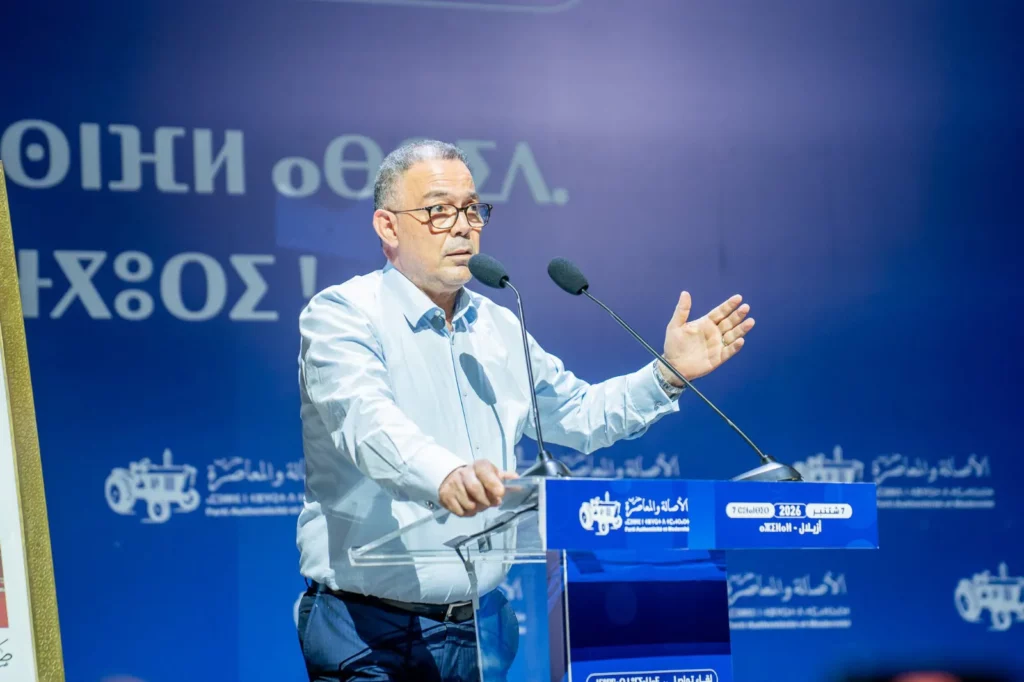
The request follows a declaration Lekjaa made on September 7 at a gathering of the Authenticity and Modernity Party (PAM), where he sits on the political bureau. He stated that the Moroccan state had spent MAD 280 billion ($28 billion) to shore up purchasing power over five years, “but it was almost without effect.”
He later clarified that the figure covered several measures, among them direct social support for families and a general wage increase for civil servants.
Writing as a body “concerned with transparency and the protection of public funds,” the association put four questions to the minister. It asked how the money was spent, which amounts were disbursed, and which sectors received them.
It questioned whether his ministry has any mechanism to track the effect of these budgets on the prices of subsidized goods, and what its evaluation found. Beyond price-regulated products, it asked what commitments beneficiaries sign in return for aid, particularly on sale prices, and whether those commitments let the government recover funds when they are not honored.
Lekjaa has denied responsibility for the spending. He argued that he prepares the budget before appropriations are approved, after which ministerial departments carry out the disbursements, leaving him no authority over how the money is used.
The controversy has drawn in Driss El Azami El Idrissi, deputy secretary-general of the Justice and Development Party (PJD) and a former budget minister. In a video, he again held Lekjaa accountable, noting that the minister drafts finance bills and defends them in parliament, even as the PJD warned that support for meat and livestock imports would not lower market prices.
El Azami pointed to decrees exempting importers from duties between 2022 and 2026, “published in the Official Gazette,” and asked, “Does the Official Gazette lie?”
He counted six decrees opening additional appropriations worth MAD 90 billion ($9 billion), signed on dates from June 2022 to May 2026, and cited joint decisions in 2023 and 2024 that shifted the VAT on livestock imports onto the state budget.
Observers have framed the episode as a test of accountability. Specialists argue that public spending must produce a measurable return, and that a sum this large warrants both parliamentary questioning of Finance Minister Nadia Fettah Alaoui, who approves public expenditure, and a judicial inquiry.
They have noted that the amount is large enough to fund major infrastructure across the country, and called for oversight bodies to identify the causes of failure and assign sanctions. The exchange unfolds less than 24 hours ahead of the parliamentary elections scheduled for September 23.
Read also: From Ballot Boxes to Balanced Territories: Rethinking Morocco’s Next Government