
 Join on WhatsApp
 Join on Telegram
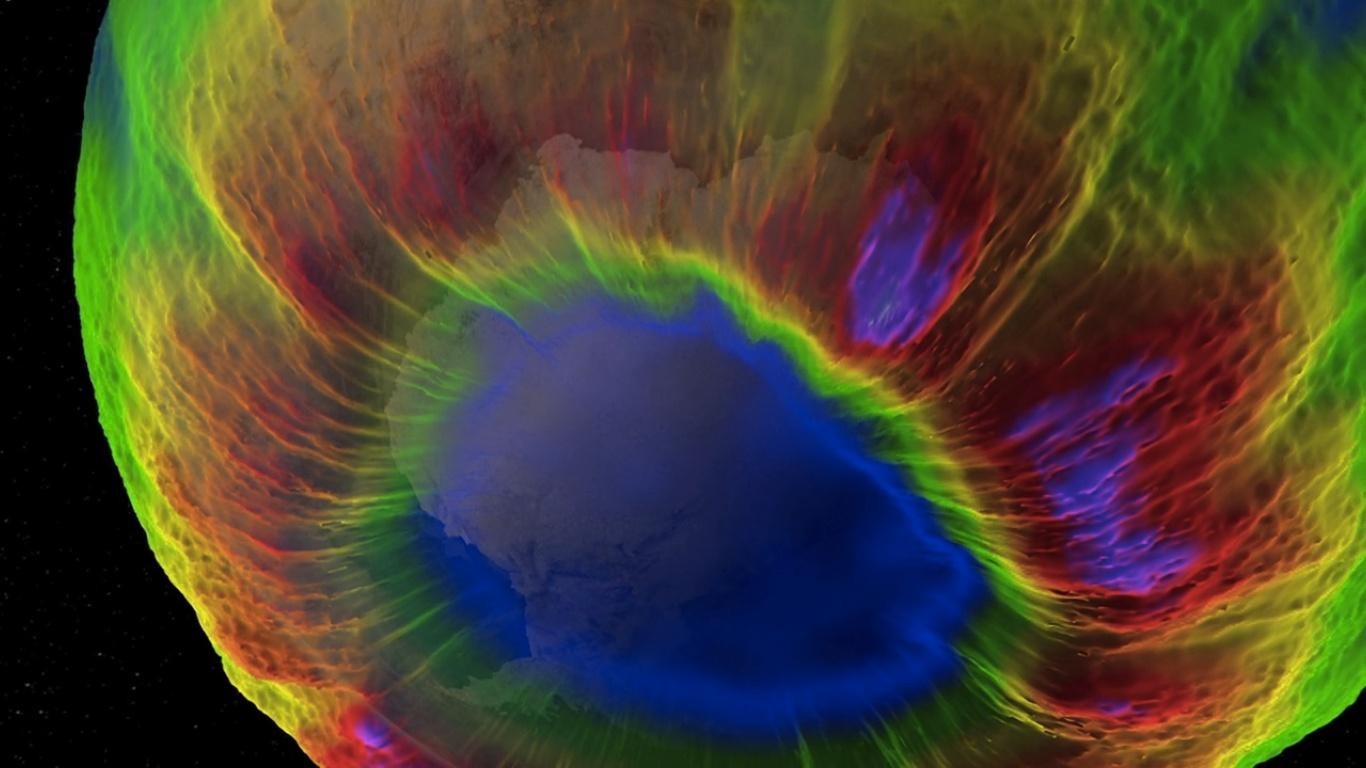
Rabat – A recent report by the United Nations disclosed that the Earth’s ozone layer is on track to recovery and is set to fully heal within 40 years.
Titled “Scientific Assessment of Ozone Depletion: 2022,” the report has confirmed the phasing out of “nearly 99% of banned ozone-depleting substances.”
The report attributed the positive progress to the Montreal Protocol on Ozone Depleting Substances, an international agreement aimed to protect the Earth’s ozone layer by phasing out the production of ozone-depleting gases.
Signed in 1987, the Montreal Protocol “has thus succeeded in safeguarding the ozone layer, leading to notable recovery of the ozone layer in the upper stratosphere and decreased human exposure to harmful ultraviolet (UV) rays from the sun,” the report indicated.
In the event that current policies stay in place, the report forecasts that the ozone layer would recover to its 1980 state (before the ozone hole appeared). Estimates expect the recovery to be completed by around 2066 over the Antarctic, by 2045 over the Arctic, and by 2040 over the rest of the globe.
Executive Secretary of the United Nations Environment Programme’s Ozone Secretariat Meg Seki described the ozone layer’s gradual recovery as “fantastic news,” adding that “the impact the Montreal Protocol has had on climate change mitigation cannot be overstressed.”
“Over the last 35 years, the Protocol has become a true champion for the environment,” Seki emphasized. She added that the assessments and reviews launched by the Scientific Assessment Panel are a “vital component of the work of the Protocol that helps inform policy and decision makers.”
Read also: Morocco’s O’Barrels Creates Sustainable, Eco-Friendly Furniture
The progress made in the repairing of the ozone hole, which was one of the most feared environmental challenges, gives hope in achieving more environmental milestones and mitigating climate change.
“Ozone action sets a precedent for climate action. Our success in phasing out ozone-eating chemicals shows us what can and must be done,” stressed World Meteorological Organization Secretary-General Petteri Taalas.
Taalas specifically mentioned the urgency to “transition away from fossil fuels, reduce greenhouse gases and so limit temperature increase.”