 Join on WhatsApp
 Join on Telegram
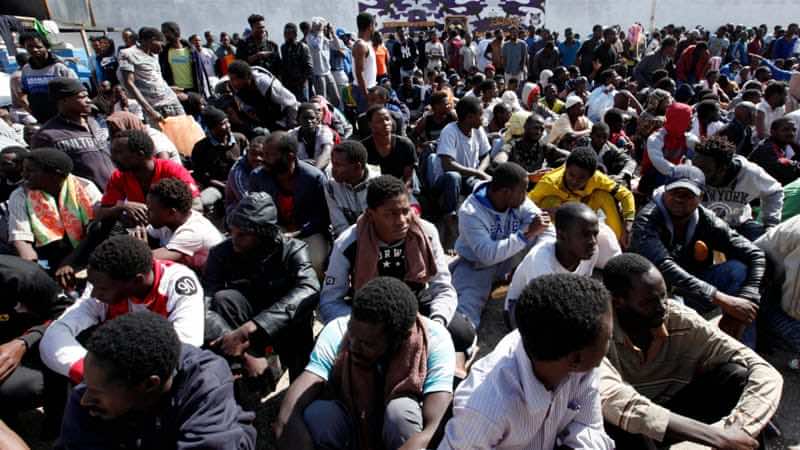
Rabat – Algeria has stopped mass expulsions of sub-Saharan migrants, after global outcry caused by the alarming conditions and the “indiscriminate and inhumane” manner in which Algerian authorities were deporting migrants, according to the Associated Press.
But expulsion numbers have considerably decreased since late June following the global outcry caused by news of sub-Saharan migrants’ plight in Algeria.
An OIM (International Organization for Migration) spokesperson told the BBC this week that the number of migrants entering Niger and Mali from Algeria have “dropped significantly.”
Mass deportation and human rights abuses
The move comes after reports of mass expulsions and immigrants being forced to march in the Sahara Desert sparked outrage and criticism in the media and international organizations.
Algerian authorities have been said to have forcibly and inappropriately expelled over 100,000 migrants from West Africa in recent years.
International organizations, including the UN, OIM, and Human Rights Watch, have decried the patent mistreatment to which migrants were subjected during expulsions, as well as Algerian authorities’ glaring disregard for migrants’ rights.
The Associated Press, which has been covering Algeria’s tough measures on immigration and the country’s somber records on migrants’ rights, has reported galling scenes during expulsions.
Many of the expelled sub-Saharans were abandoned in the Sahara Desert at the mercy of unbearable heat (above 50 degrees centigrade) and hordes of dangers and insecurity involving human traffickers.
Since May 2017, more than 13,000 migrants were indiscriminately “dropped off” in some of the most dangerous spots of the Sahara Desert. Once abandoned in the Sahara, migrants had to walk cross the desert in what one of the interviewed migrants likened to “walking through hell.”
Outrage and condemnations
Although Algerian government has consistently denied mistreating migrants, criticism and condemnations from both African officials and international observers (generally human rights activists) have piled up both in African and international circles in recent months.
“Algeria has the power to control its borders, but that doesn’t mean it can round up people based on the color of their skin and dump them in the desert, regardless of their legal status and without a shred of due process,” Sarah Leah Whitson of Human Rights Watch has been quoted as saying.
And while some African states had replied to news of mass expulsions by recalling their ambassadors from Algiers, the African Union Commission’s chairperson Moussa Faki Mahamat complained this week about the situation, hinting that the news is even more worrying as it is happening on African soil.
“We cannot accept African countries ill-treating Africans, even if they enter the country illegally,” Mahamat said.
Algeria’s response
In May, Algeria’s foreign affairs ministry denied all allegations of ill-treatment and inappropriate expulsions, saying that the reports were accusations aiming to undermine Algeria’s image and taint is relations with its southern neighbors.
The ministry said that expulsions were done in “full respect for human rights and dignity” and with consultation of migrants’ home countries.
In addition to decreasing the number of expulsions, Algeria recently fired two top security officials believed to be connected to the expulsion rounds and other trafficking networks.
But with suspicions that the North African country’s softening stance on mass expulsions is a strategic move to temporarily fend off criticism and appease the outrage it caused in recent months, it remains to be seen how Algeria fares on migrants’ rights in the near future.
Meanwhile, Algeria, like a number of other African countries which included Morocco, recently declined the European Union’s proposal to establish immigrants’ treatment centers to categorize immigrants seeking to reach Europe.