Join on WhatsApp
 Join on Telegram
Los Angeles – Today, much of the Arab world is rocked by revolution, war, famine, terrorism and horror. But in Morocco, hamdulilla, life passes peacefully, expect of course those first weeks of Ramadan, when tramdin hits the country like a plague!
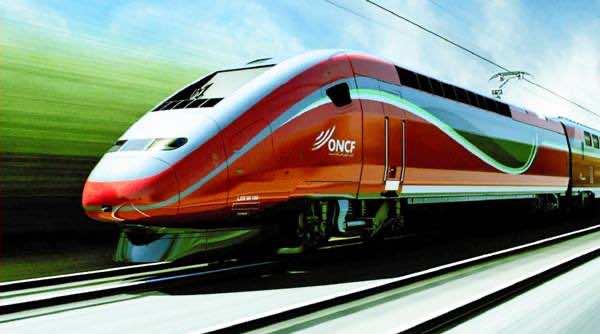 Magically, it seems, Morocco has been spared the disruption, violence and instability afflicting Syria, Iraq, Egypt, Algeria, and to a certain extent Tunisia. To the contrary–Morocco prospers under the King. Hyper-speed trains are being built as I watch. Skyscrapers rise in Casablanca. The streets are filled with an astounding variety of foods and spices. Music and cigarette smoke perfume the night air in the cafes.
Still, in the shade of the skyscrapers gangs of child-beggars roam, hungry and hopeless. In the ancient streets of Fez, jobless Moroccan men grope, heckle and harass women who dare to brave the medina alone. The Moroccan bureaucracy is a well–known nightmare: public hospitals where women give birth on the floor, ambulances that don’t arrive when called, pensions that don’t get paid on time.
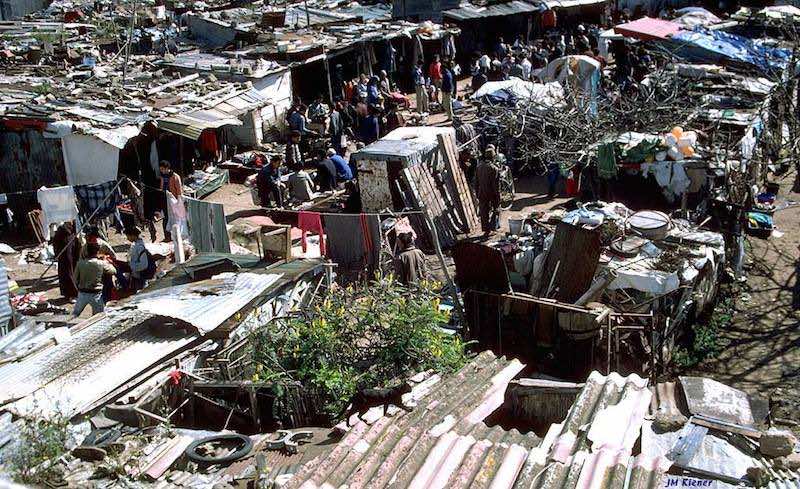
Walk just a little bit outside of the main cities, and you reach Morocco’s cancerous core, the bidonvilles, the tin and plastic huts where the forgotten live. A single spark and these slums will burn the country down–should bread prices rise, should global warming cause food shortages–Morocco will look on Egypt’s chaos with envy.
Morocco’s urban wealthy are enormously disconnected from their rural and poor fellow countrymen. The other day in Casablanca, I saw a Moroccan man in a Maserati (a car worth about a million dirham) refuse to give sadaqa to a crippled, elderly woman begging for money in the streets. Most of the wealthy Rabatis who live in Hay Riad have probably never met anyone from nearby Sale, except maybe their maid or their handyman. The wealthy, connected few who run the country seem oblivious.
Government money is spent in ways that seem shortsighted at best, out-of-touch at worst. Hundreds of millions spent on yearly music festivals, billions wasted in corruption and held in off-shore accounts. Just the spending on the music festivals (2.6 billion dirham per year, according to the 2011 budget) re-invested, say, in better public education or in more public hospitals would pay social dividends for decades.
This is not to unduly criticize the King, who is probably the most effective and able monarch in the Middle East and Africa. Building on the strong (if not to say iron-fisted) monarchy of Hassan II, the current King is an able steward, universally beloved by Moroccans, with a level of national popularity that President Obama or President Hollande could only dream about.
But the Moroccan upper classes (and probably many tourists and foreign analysts) are deceived by Morocco’s signs of progress and modernity. The money is going to the wrong places. Moroccans are getting rich, a few of them, and they are buying lovely villas and expensive Western cars. The government is investing in high-speed train lines and giving cities like Fez and Marrakesh tourist-friendly facelifts.
But the gleaming new buildings hide rot and decay in their shadows. There is nothing so dangerous to peace and stability as a critical mass of the poor, the uneducated, the hopeless and the hungry. Just a single spark, and the veneer of progress will burn, taking the country with it.
The views expressed in this article are the author’s own and do not necessarily reflect Morocco World News’ editorial policy
© Morocco World News. All Rights Reserved. This material may not be published, rewritten or redistributed