 Join on WhatsApp
 Join on Telegram
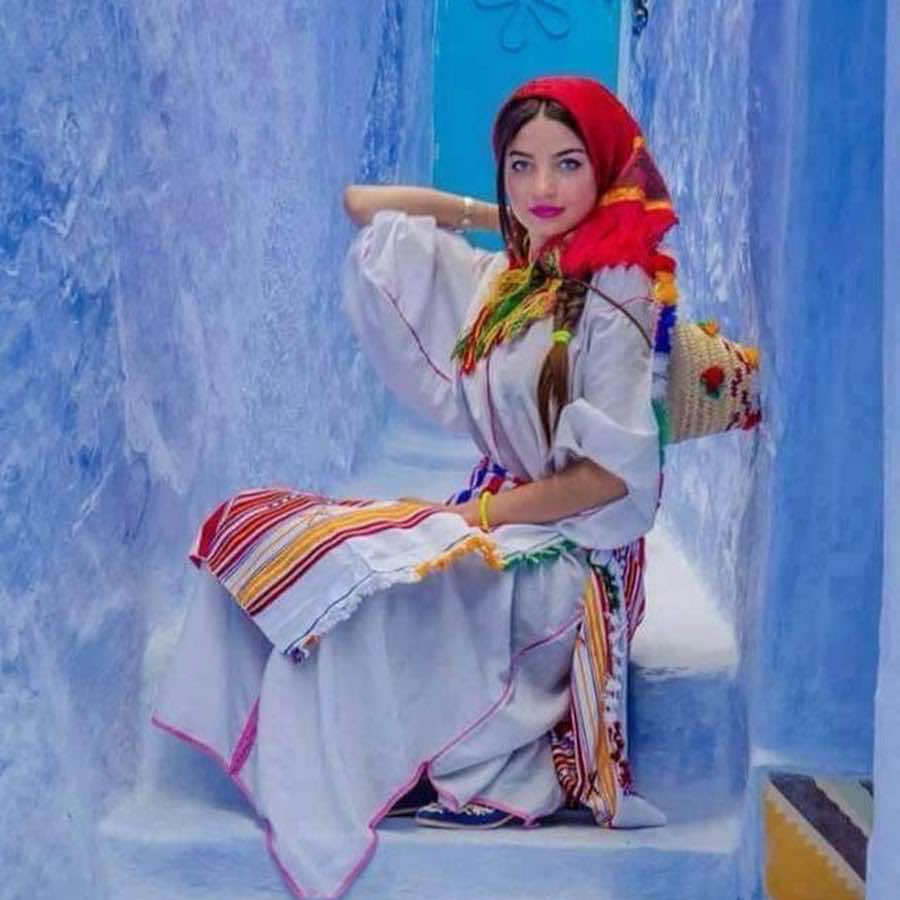
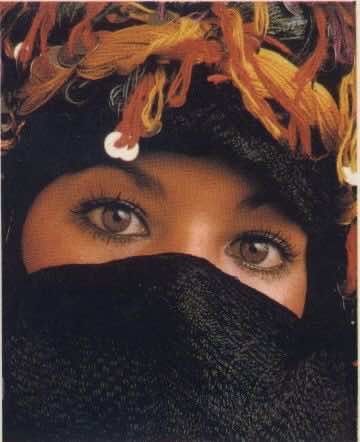
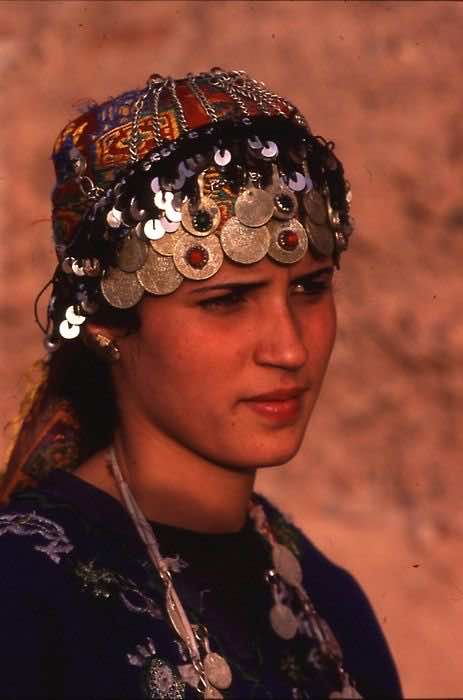
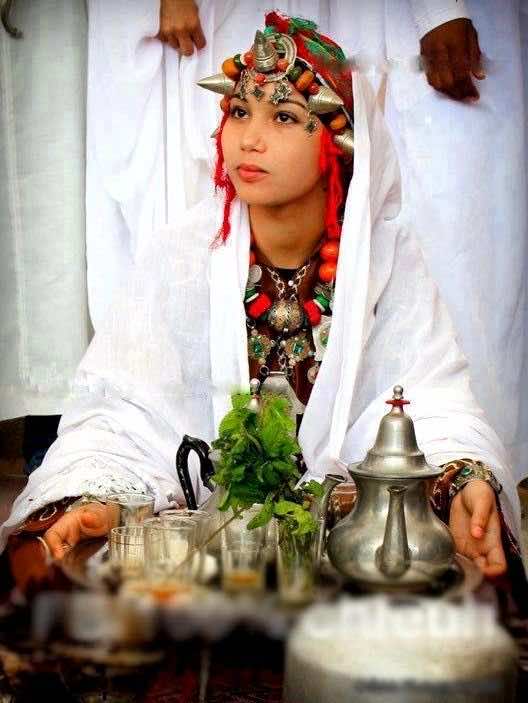
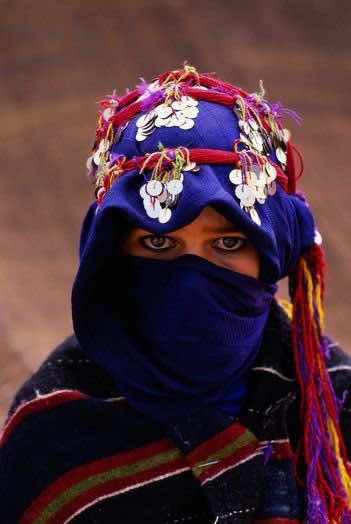
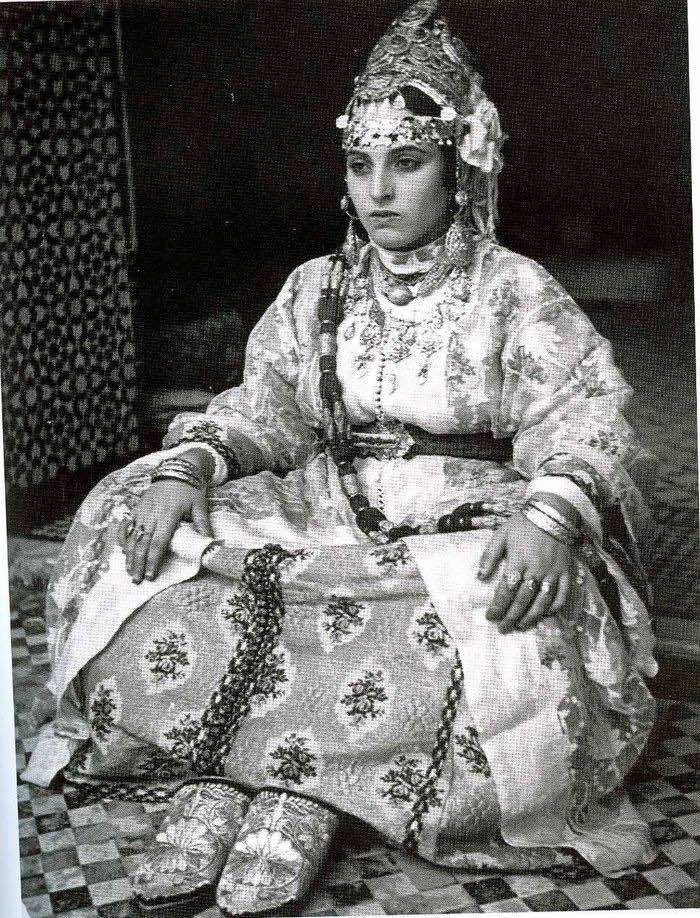
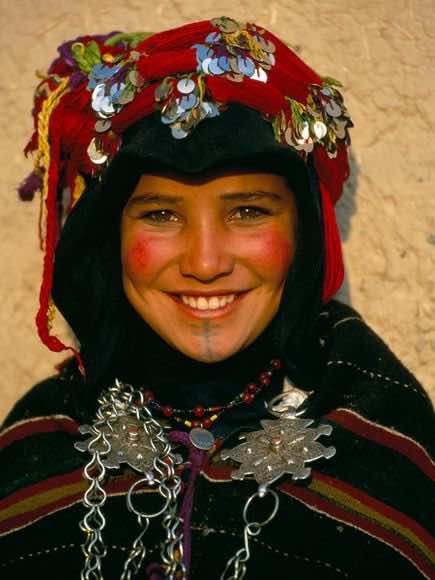
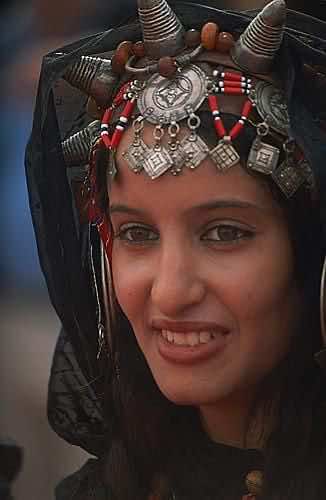
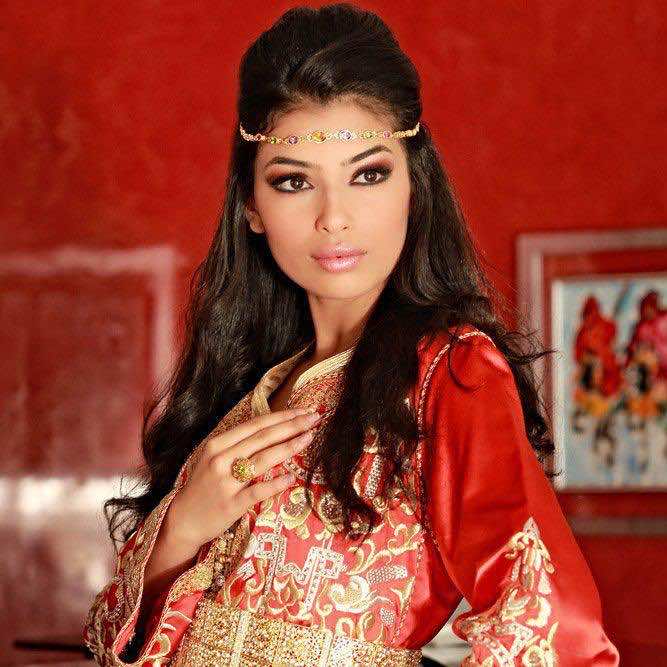
Taroudant – Moroccan website Happy Knowledge has published a collection of pictures of Moroccan women throughout history, displaying the fabulously diverse beauty of Moroccan women from several regions of the country.
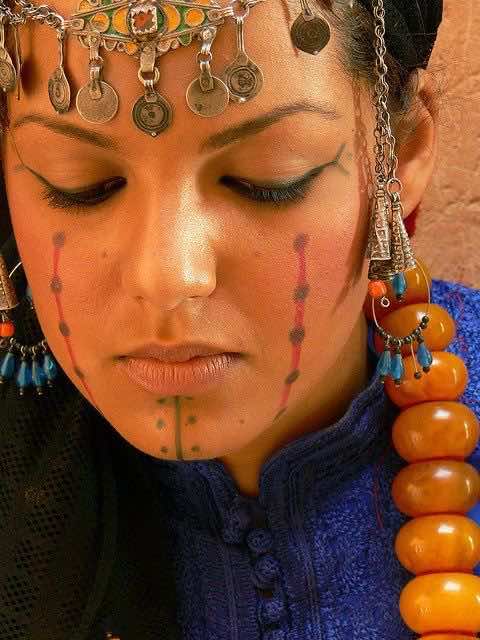
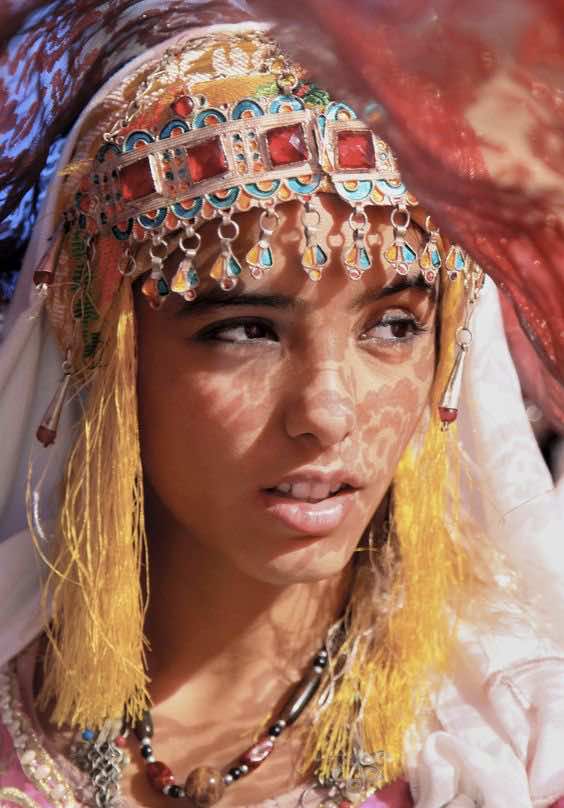
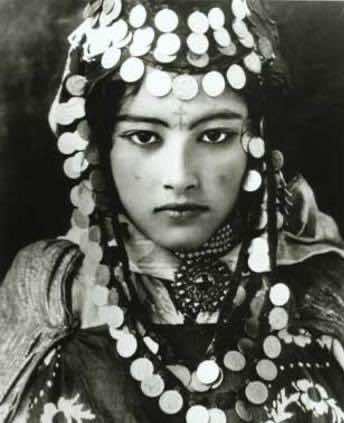
The photos depicting the rich beauty of Moroccan women show an array of traditional Amazigh (Berber) attire, jewelry, and facial tattoos.
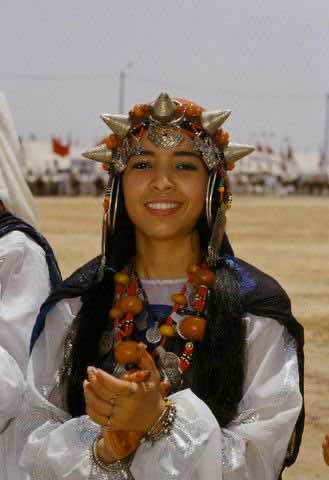
While Morocco is classed as an Arab country and has Arabic as one of its official languages, the overwhelming majority of the population has Amazigh roots.
The Imazighen (Berbers), which means “free men,” are the indigenous people of North Africa and some parts of West Africa. This ethnic group and its various subsets are found throughout Morocco, Algeria, Tunisia, Libya, Egypt, Mali, Niger, and Mauritania.
The Imazighen inhabited North and West Africa before the Arab expansion into Africa. The majority converted to Islam and adopted Arabic as a language, but they maintain a distinct culture from Arabs.
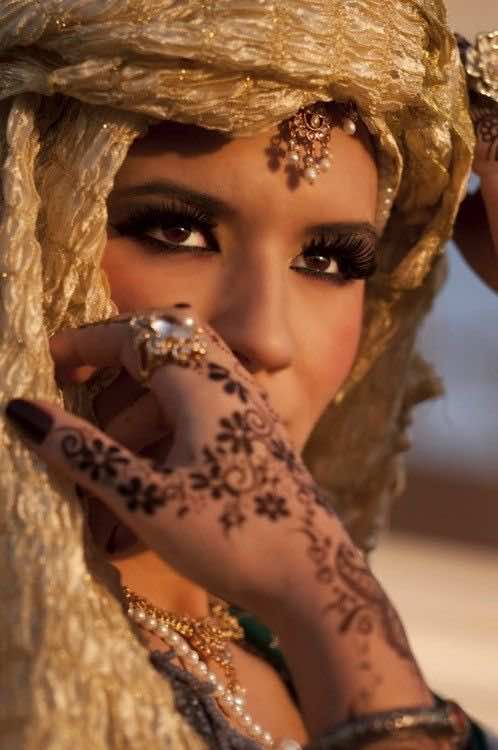
The traditional beauty of Moroccan women is shaped by the country’s indigenous culture. The colorful headdresses, scarves, ornate jewelry, tattoos, and dresses found in these photos of Moroccan women all have their roots in Amazigh traditions and conceptions of beauty, but differ from region to region.
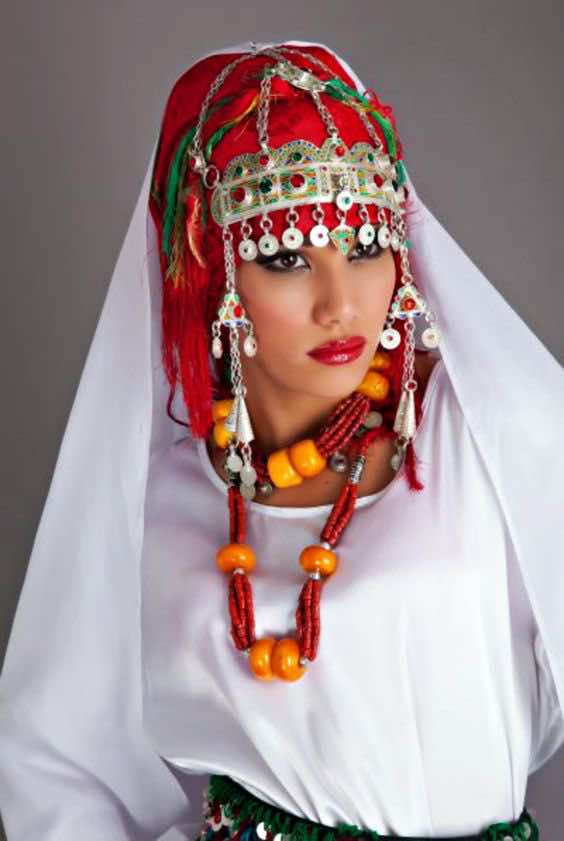

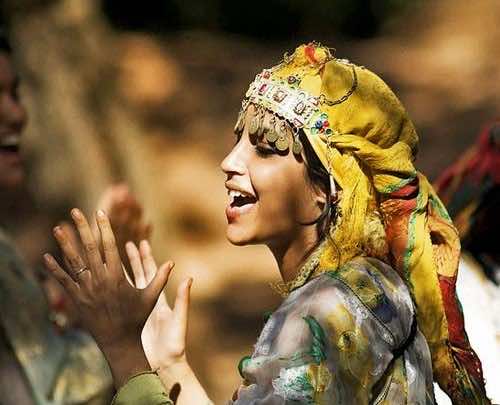
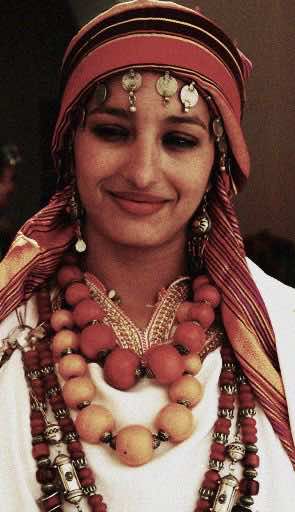
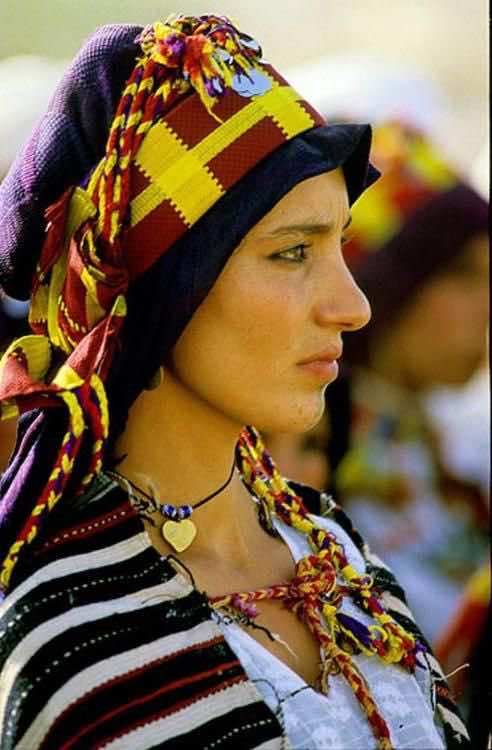
A notable facet of Moroccan women’s beauty is unique facial tattoos. Amazigh facial tattoos are symbolic, representing a woman’s social or marital status, and often placed near the eyes, mouth, and nose.
They can represent a girl’s transition from child to woman and in some cases, are believed to promote fertility, cure illnesses, or ward off dark spirits. Women can also get tattoos from ear to ear, symbolizing they have been widowed.
Some Amazigh women, however, are not bound by the tradition of facial tattoos and choose to get tattoos for decorative purposes or simply because they find them beautiful.
Read also: The Disappearing Tradition of Amazigh Facial and Body Tattoos

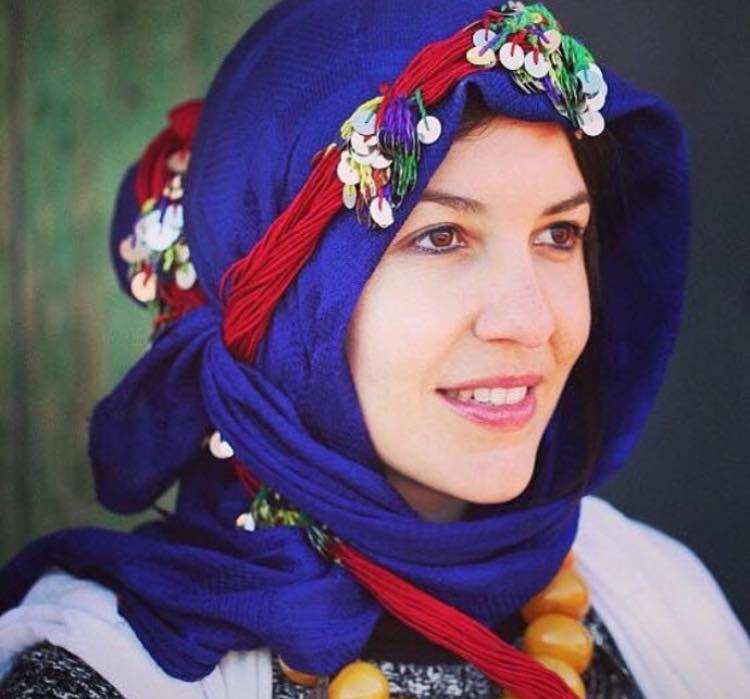
The true beauty of Moroccan women, however, is beyond skin deep. Beauty lies within the warmth of Moroccan culture and the kindness that is innate to the country’s people.
In the words of the Arab poet Jebran Khalil Jebran who said in Broken Wings, “A woman whom Providence has provided with beauty of spirit and body is a truth, at the same time both open and secret, which we can understand only by love, and touch only by virtue; and when we attempt to describe such a woman in words she disappears like vapor.”
Read also: Morocco’s Imilchil Wedding Festival: A Treasured Amazigh Tradition