 Join on WhatsApp
 Join on Telegram
Luxembourg – I recently returned to Luxembourg from one of my regular trips to Rabat to touch base with my parents and friends. Each time any fellow expat or I are heading back to our host countries, there is a sense of oddity with the way the Moroccan economy operates.
I have been living and working in the Luxembourg area for exactly three years now and the sight of Lamborghinis, Porsches and all the fancy cars does strike me as somehow indicative of the kind of wealth the Duchy generates despite being one of the smallest nations on earth.
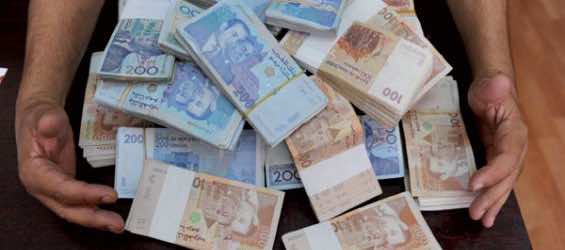
When I, on the other hand, see the sheer number of luxury cars such as Range Rover and other similar SUV models touring my hometown, Rabat, and I look at the local monthly minimum wage of MAD 2570 (approximately $270 ) then it becomes no wonder Morocco is rolling into debt, especially from loans handed to the country’s today baby boomers. The challenge stems from the fact that young Moroccans are faced with financial threats that are far more pernicious than it is being anticipated.
Audacity, in particular, is the danger that looms over their heads and eventually drags them into a dark hole. Sadly enough, somewhere at the very back of their minds they know it but they choose to go along with the debt path, since they might not be empowered enough to behave otherwise. Their parents before them built equity on houses rather than liquidity while the rising generation is enjoying ownership of items that do not build wealth and should this scenario come to an end and it will, then the government will be burdened with bailing them out.
Highly educated and average young Moroccans alike are by and large aware of the recession in countries such as neighboring Spain, Greece and the role of Wall Street in the meltdown of the global economy. At the very same time, I have noticed the bulk of them indulge in audacious and thoughtless behaviors like taking out loans on their unlikely secure jobs to buy brand new cars that lose value the minute you buy them and to remodel flats they do not even own or just go on vacations. They continue to deny, despite all evidence out there, a downtrend would not hit them as hard, especially that there is a strong culture of subsidies.
My wife works as a customer service agent at a French insurance giant that has outsourced its operations to Morocco. My jaw drops at the fact that the majority of her colleagues, including senior ones, would not survive a stress test. Their finances are so riddled with debt here and there that they will not be able to come up with 10.000 DH (approximately 1000 €) should there be an unexpected urgency that would require such an amount.
Quite often, young kids come down with illnesses that require imminent hospitalization and they just cannot come up with the funds to bear those medical costs, usually not included in basic employer-provided coverage. This year, Eid al Adha, which incurs considerable costs, coincided with the back-to-school period that implies buying books and clothes. Young adults are so out of cash that some of them spent El Eid with family members to reduce costs or just gave up buying new clothes for their kids.
Anybody with basic knowledge in economics would agree that this generation of Moroccans is financially underachieving.
Moroccan society as a whole has to be well aware that debt is an aura that spins developed and developing countries alike. Young adults or the so-called millennials need to be taught that financial ease is the product of wisely managing assets and thinking ahead of liabilities as well as dire moments.
To its credit, the Benkirane government spearheaded bold efforts to make a significant shift from a subsidized economy towards a context of bearing a more factual cost of consumption. He, for instance, lifted subsidies on fuel and sugar, a step that was understandably met with fierce discord and made the leading party lose momentum. The same thing applies to the elections campaign under way. None of the competing parties has spoken out for educating the public financially. I believe it will be hard for their leaderships to run such risk at the expense of losing crucial votes.
Zakaria Zakri is an independent researcher in geopolitics and energy. He currently serves as a Freelance Training Consultant with the European Parliament. Prior to that, he worked a Communications Specialist with ENI, Italy’s leading Oil & Gas Company.