 Join on WhatsApp
 Join on Telegram
Rabat – Researchers at Sweden’s oldest university have identified the words “Allah” and “Ali” woven in Viking burial clothes from the 9th and 10th centuries, calling common understandings of medieval Scandanavian religious beliefs into question.
The burial costumes were discovered in Birka and Gamla Uppsala in Sweden. Kept in storage for more than 100 years, the garments were considered common examples of Viking funeral clothes.
However, when brought out recently for investigation, the clothes turned out to reveal new evidence regarding contact between Vikings and Muslims.
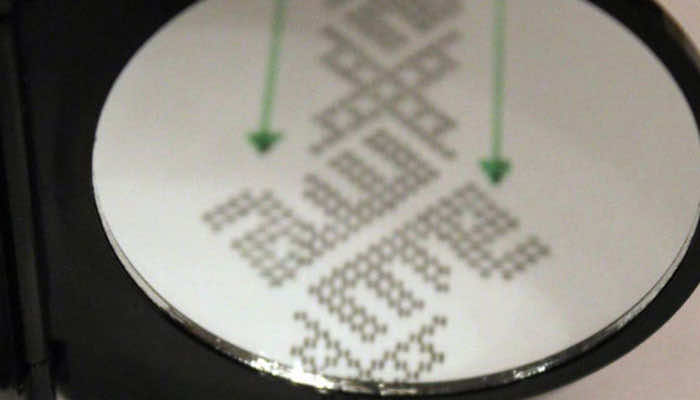
Textile archaeologist Annika Larsson of Uppsala University is responsible for the break through discovery. She was examining the burial costumes when she found patterns woven with silk and silver thread spelling the words “Allah” and “Ali.”

“I couldn’t quite make sense of them and then I remembered where I had seen similar designs –in Spain, on Moorish textiles,” she told the BBC.
Larsson says the geometric designs, no more than 1.5cm high, “resembled nothing she had come across in Scandinavia before.”
The archeologist first discoveredthe name “Ali” in the text, and, when she looked at it in a mirror, the word “Allah” in reverse emerged.
“Perhaps this was an attempt to write prayers so that they could be read from left to right,” said Larsson.
While it is believed that contact between Muslims and Vikings was the result of trade, Larsson argues that the discovery offers a different explanation.
“The inscriptions appear in typical Viking age clothing that have their counterparts in preserved images of Valkyries,” she said.
Larsson said the choice of burial clothes reflected the influence of Islam on Scandinavians.
“Presumably, Viking-age burial customs were influenced by Islam and the idea of an eternal life in paradise after death.”
Contact between the two worlds has already been proven. More than 100,000 Islamic silver coins were discovered in Viking-age Scandinavia.
DNA analysis of Viking graves has also shown that some of them contain people who originated in Persia, said the Guardian.