 Join on WhatsApp
 Join on Telegram
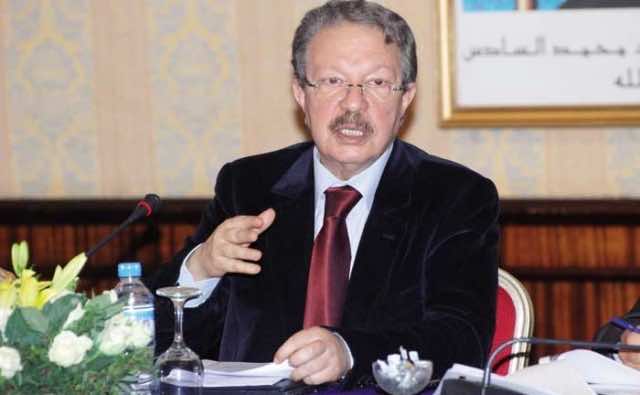
Rabat – High Commissioner for Planning (HCP) Ahmed Lahlimi Alami stated that Morocco’s economy will experience stagnation due to declining investment, a decrease in employment opportunities, and a lower national saving rate in 2019.
According to the official, Morocco’s economic growth will stand at 2.9 percent this year, against an expected 3 percent in 2018.
At a press conference held in Casablanca on January 16, Lahlimi warned that debt is still a major issue in the country. He said that debt is becoming heavier, emphasizing that the country must try to “increase national savings through good support and a good distribution of household income, support for the activities of SMES (small business and medium-sized enterprises).”
Read Also: Morocco to Go Further into Debt in 2019 as Growth Rate Slows
The official also advised Moroccans to consume more domestic products, inviting Moroccan investors to invest more in Morocco and to value Morocco’s investments in infrastructure.
Prior to the press conference, HCP issued a statement raising concerns regarding the financial situation of Moroccan families, unemployment, and families’ abilities to save their finances.
HCP said that only 4.44 percent of Moroccans can save part of their income.
To prevail through the economic crisis, Lahlimi suggests that Morocco should be inspired by Trump’s economic policies and “patriotism.” According to Lahlimi, US President Donald Trump and his economic policies “gives us a good example in terms of economic patriotism.”
He said that the example should inspire Morocco for the sake of its national economy.
Despite the economic crisis this year, the African Development Bank (AfDB), forcasts a growth of Morocco’s Gross Domestic Product (GDP) in 2020.
AfDB said that Morocco’s GDP will grow by 4 percent in 2020.
The medium-term economic outlook projects a continuing decline in real GDP growth, to 2.9 percent in 2019, before a rebound to 4.0 percent in 2020. The projected slowdown in 2019 is attributable to a slight decline in primary sector value added [production],” said a report by the bank on the “African Economic Outlook – 2019” presented on Thursday in Abidjan.