Rabat – Bachir Edkhil, a former founding member of the Polisario and an outspoken critic of the separatist front’s “obsolete claims” to the Western Sahara conflict, has said that the separatists want to prolong they conflict to “capitalize” on the suffering of Tindouf refugees.
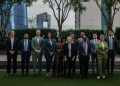
Speaking on Tuesday, October 22, in a panel at the Democratic Initiatives Institute in Panama City, Edkhil highlighted the “hypocrisy” of the Polisario Front’s claims of being the sole legitimate representative of the Sahrawi people. Instead, he said, “for the past four decades, Polisario leaders have enriched themselves” off the plight of distressed Tindouf refugees.
A central narrative in pro-Polisario circles is that Morocco is the primary culprit for the diplomatic standstill in the Western Sahara dispute. According to Edkhil, however, the separatist front “obsolete” and “self-serving” insistence on self-determination is the main reason for both the prolongation of the territorial dispute and the dire conditions in Tindouf.
He argued, referring to an increasingly dominant notion in the international community, that Morocco has been “serious” and “reliable” in its latest efforts to broker a sustainable settlement. Despite Morocco’s efforts towards compromise, however, he noted, the Polisario leadership has been categorical in its “obsolete” and “unrealistic” demands for a referendum on self-determination..
The reason for Polisario’s position, he argued, is to play the victim card and paint Morocco in a bad light in the international community in order to gain the sympathy of international humanitarian organizations.
In addition to pointing to the separatist front’s well documented mismanagement and embezzlement of the humanitarian aid to Tindouf refugees, the former Polisario member called the front out on “war crimes” and other “serious offenses,” including kidnappings and forced displacement.
He concluded by calling on the separatists to review their strident opposition to the Moroccan autonomy proposal, arguing that it is the only way to secure peace, stability, and economic prosperity in the disputed regions.